The Stražiště Branch
Translated from the Czech by Claude, an AI model by Anthropic, in 2026.
Founder: Vojtěch Prusík, 1790 – 1867
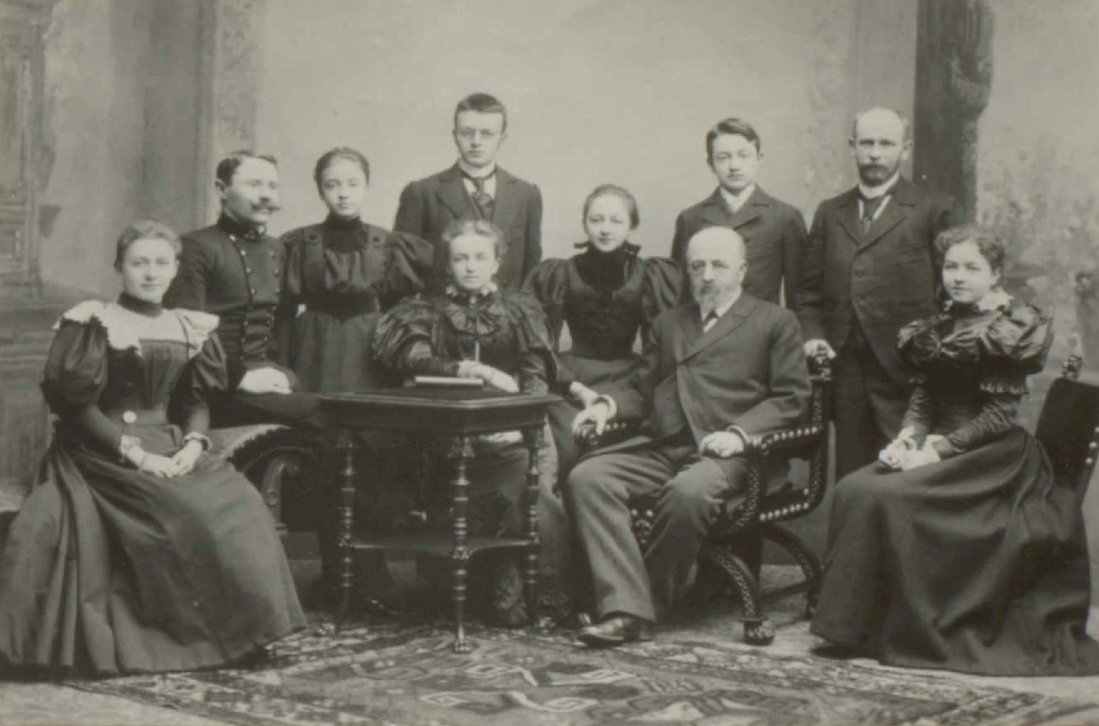
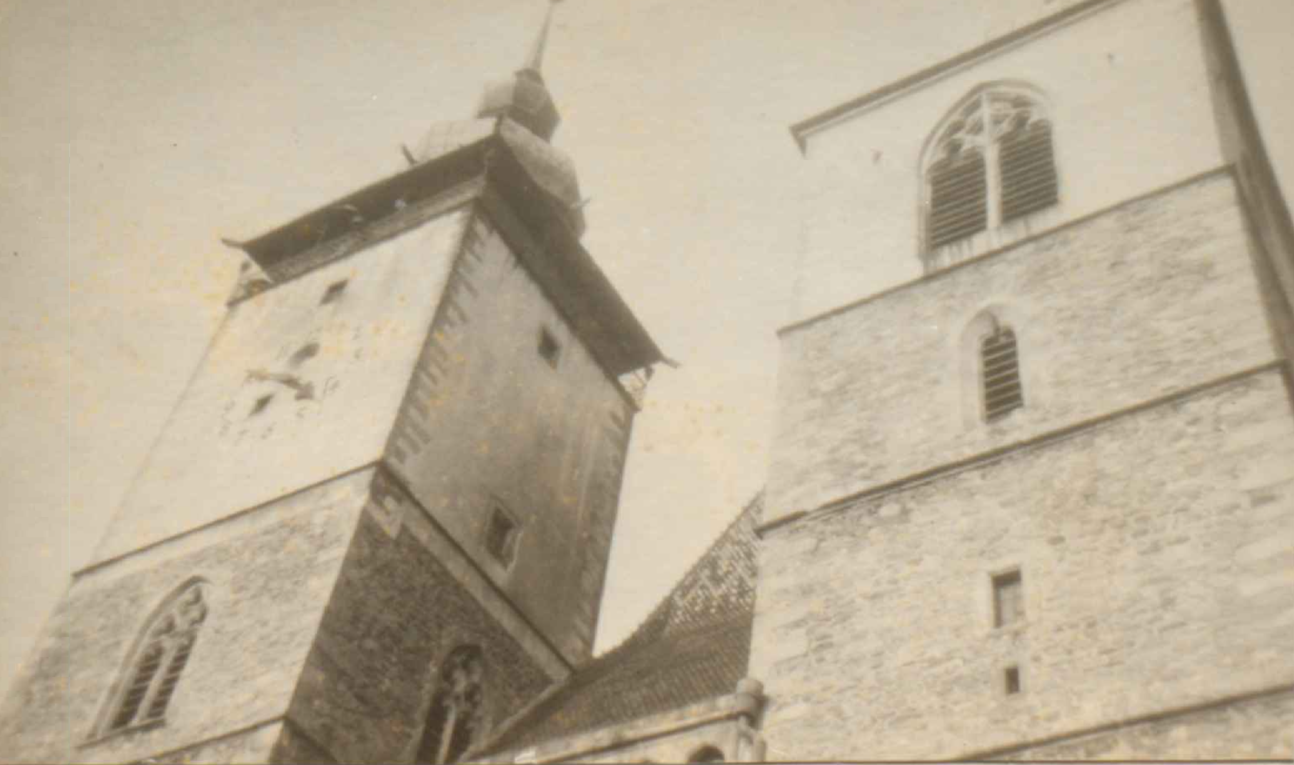
High above the little river Střela, surrounded on many sides by forests, lies the little village of Stražiště. Already in the dim and distant past there was a settlement here and the frontier of the Czech state of the Přemyslids. When an enemy incursion threatened, fires were lit here, and since those times the place has been called Stražiště, from “stráž”, a watch. There are many such places in Bohemia. In the 12th century Stražiště belonged to the lesser noblemen of Potvorov. For a long time afterwards it was the property of the monastery at Plasy, and also of Mr Hrobčícký of Všesulov. From 1672 its owner was Count Karel Maxmilián Lažanský of Manětín, who bought Stražiště and a number of other villages from Václav Karel of Hoslany. This little village was always small: after the Thirty Years' War only four settlers lived here, and today there are close on a hundred of them. The parish church of St Martin, from whose two towers there is a view far over the charming countryside, its forests and the romantic valleys of the Střela, is mentioned as early as 1250. Into this village, around 1788, that is, under Emperor Joseph II, there moved a member of our family, Adam Prusík. We have already mentioned him on page 12, in the short chapter on Plasy and its importance for the Prusík family.
Adam Prusík was the grandson of Václav Prusík, born in Sedlec. Adam was a trained mason and had four sons. His little daughters died in childhood. He learned the mason's trade from his father Eugenius Prusík, who was builder and painter to the monastery at Plasy in the time of its greatest glory, in the 18th century. Eugenius Prusík, Adam's father, did not work only at Plasy, but also took part in the building and rebuilding of many churches. Any member of the family who visits Kožlany will see the church of St Lawrence there. Whoever travels from Plasy to Kralovice will see, already from the statue of St John, in the midst of the gently rolling countryside, the memorable Mariánská Týnice, set like a jewel among striped emerald fields edged by a band of the blue Hubenov forests. In the magnificent Czech Baroque building of Mariánská Týnice in the 18th century, one of the most famous places of pilgrimage in Bohemia, Eugenius Prusík of Plasy had a share, just as at Kožlany.
Adam Prusík too, the son of Eugenius, was very active in building, but he worked more on civil buildings, especially because, with the dissolution of the monastery at Plasy when he was 20, the enormous growth of church building and church art also came to a halt. Adam's eldest son, who settled in Stražiště, was Vojtěch. He was born on 22 April 1790 and learned the mason's trade from his father. For a time he also kept a small inn in Stražiště. His mother had already been a German woman, and he too took a German woman as his wife, Anna Sieberová, born in 1794 in Kalec. Her father was the farm steward there. The consequence of this Czech-German marriage was that many of the descendants became Germanised or again married German women, and so their loss of Czech nationality was sealed. Vojtěch Prusík of Stražiště had six children.
They were his sons František, Antonín, Josef, Václav and Jan and his daughter Anna. Their other children, who did not complete at least ten years of life, we do not name. Vojtěch Prusík died of marasmus on 24 July 1867 in Stražiště. He became the founder of the “Stražiště” branch, just as his brother Josef is the founder of the “Jihlava” branch and his brother Jan the founder of the “Kuchyně u Herálce” branch. It is interesting that it never even occurred to the members of the other, strongest branches of the family that they and the members of these branches, although these were quite numerous in their time, might all be related to one another. The reason for these doubts was probably always that many Prusíks belonging to the Stražiště, Jihlava or Kuchyně branches became Germans and lived abroad, and for a long time it was not believed that they belonged to a family whose root stock was purely Slavic and came from the Czech village of Sedlec near Plasy.
Vojtěch Prusík's wife died in Stražiště on 26 December 1876, and at that time only her son Antonín was living with her.
The eldest son of Vojtěch Prusík, the master mason from Stražiště, was František. He was born on 8 August 1824. He trained as a baker. He too had a German wife, who, although she lived with her husband mostly in Czech villages, never learned Czech properly. This was Josefa Neumannová, born in Toužim on 21 January 1823. František Prusík the baker married on 22 October 1850 and, as far as is known, worked and lived in these places: Borek near Žlutice, Rabštejn, Nový Dvůr near Rabštejn, Trnová, Plasy and Stražiště. František Prusík and his wife Josefa had seven children: three daughters and four sons. In 1887 František Prusík fell ill with appendicitis and within a few days died in his birthplace, Stražiště. He worked right up to his last moments. His widow then lived with her son in Teplice and died there during the First World War, on 11 February 1915.
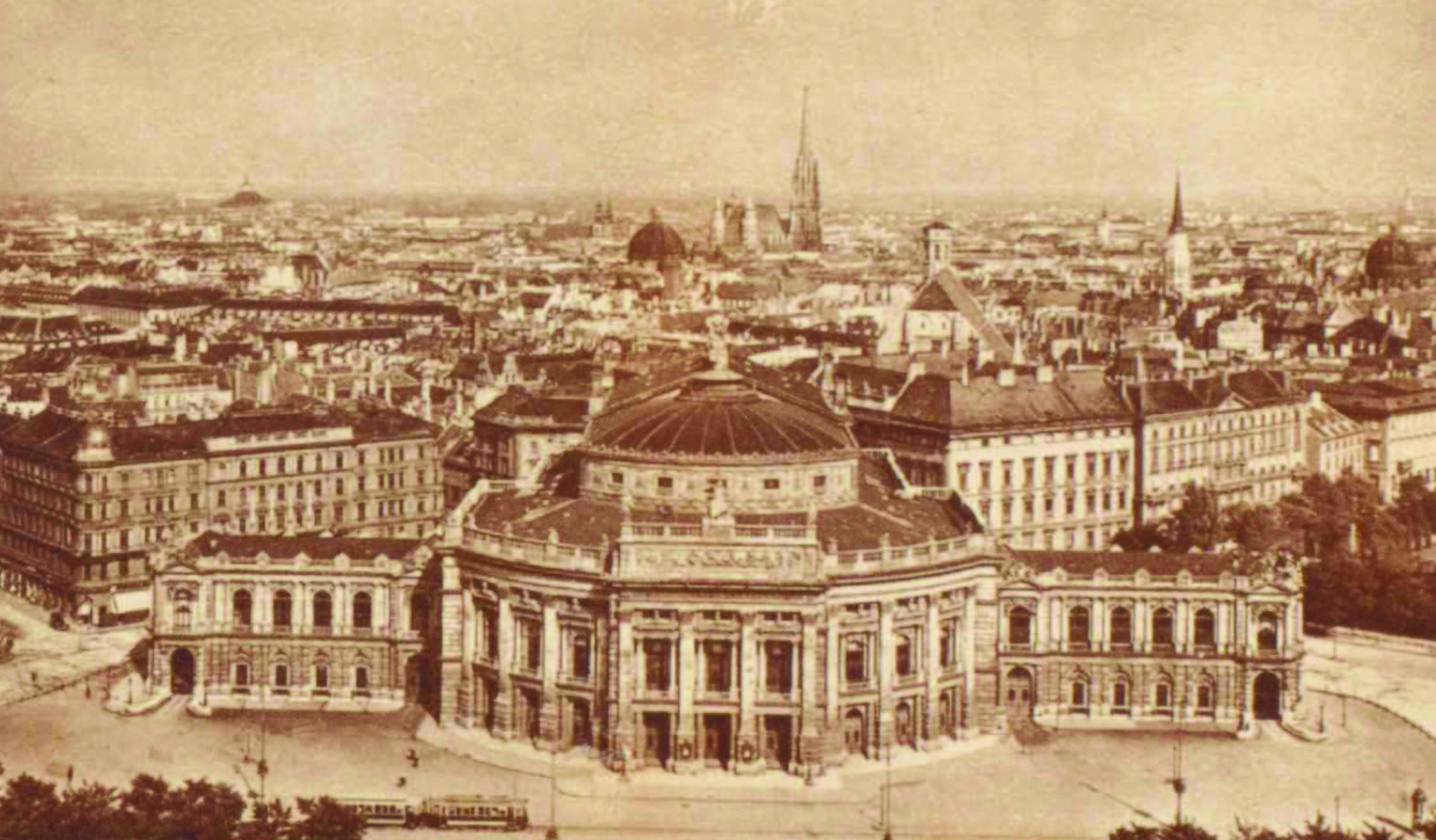
The eldest child of František Prusík was his daughter Barbora. She was born on 4 March 1850 in Borek near Žlutice. Since she probably spoke German better than Czech, she went in search of a better livelihood to Vienna, where so many people from Bohemia and Moravia moved in the 19th century. After all, it was the alluring seat of the Austro-Hungarian monarchy, the opportunity to earn was certainly great, and so many a one could not resist the temptation to go there. Barbora Prusíková married twice. Her first married name was Bailová. From this marriage a daughter, Marie, was born on 7 August 1878 in Vienna. She remained unmarried and died in November 1958 in the old people's home in Vienna XIII, Lainz. The second daughter was Julie, born on 24 January 1886. Her married name is Schwögerová, and she lives in Vienna II, Leopoldgasse 6. She has a son, Josef, born in 1914. From the second marriage, when she was married to the worker Bělohlávek, a daughter, Aloisie, was born on 14 October 1892. Her married name was Braunseisová. She lives in Vienna XII, Böckhgasse 4. She has one daughter, Luisa, born on 2 March 1922, married name Krenová. Luisa has two daughters: Gabriela, born on 23 April 1947, whose married name is Bednarová, in Vienna XVI, Brüsselgasse 43. She has a daughter, Andrea, born in July 1965. The second daughter of Luisa Krenová
is Eva, born on 21 November 1954. Luisa is now in the care of a psychiatric hospital in Vienna. Barbora Bělohlávková died in Vienna on 18 November 1929. The next child of František Prusík the baker was his son František. He was born in Rabštejn in 1851. He trained as a joiner and lived in Vienna from his young years. He had a Czech wife, Marie Králová, born on 8 September 1854 in Martinice near Dolní Kralovice. In his later years, however, František Prusík did not lead a proper life; he fell heavily into drink, and his wife left for Bohemia, where she died in Prague-Žižkov on 31 January 1929. They had no children of their own. František Prusík the joiner died in Vienna, abandoned by his relatives, in the old people's home, on 13 March 1922.
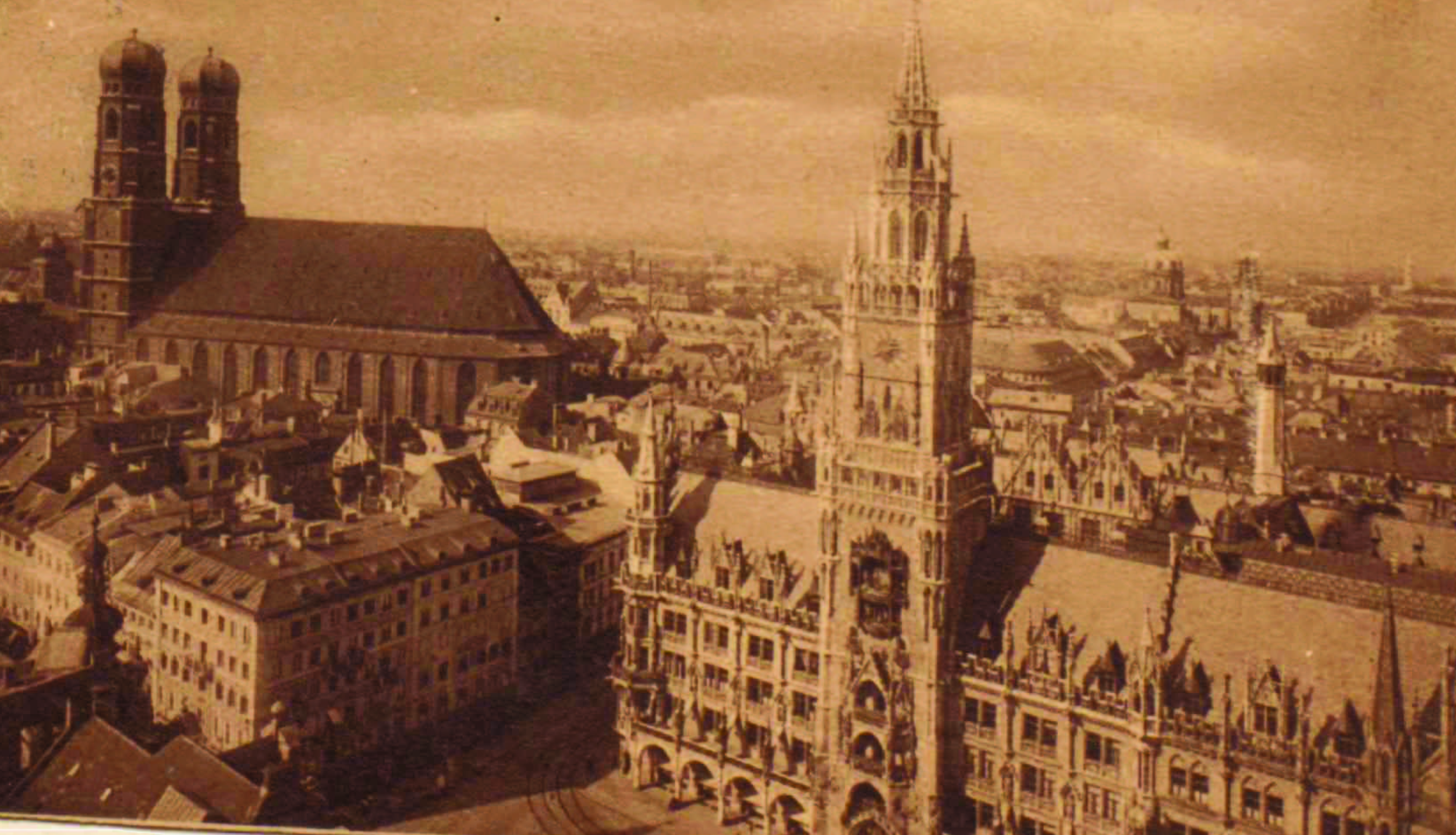
The next son of František Prusík was Antonín. He was born on 7 October 1853 in Nový Dvůr near Žíhle, not far from Rabštejn. He is in fact the only one of all the descendants of František Prusík, born in 1824 in Stražiště, who remained wholly faithful to the Czech nation. Antonín Prusík trained as a carpenter, but relatively soon he was taken into the service of the railways. He worked at Plasy, and for a long time also in the railway watchman's house between Mladotice and Přehořov, in the cadastral area of the village of Řemešín. Towards the end of his life he lived with his son in Mladotice, in a little house of their own. His wife was Tekla Šmídová, born on 23 September 1852 in Plasy. She died as early as the First World War, on 23 December 1916. Antonín and Tekla had five sons. After the death of his wife he did not marry again and was a widower for over a quarter of a century. In the end he grew weary of life, and on 7 October 1942, on his birthday, he threw himself under a train in Mladotice. Antonín Prusík was a cheerful man, very well liked; he had known German since childhood and liked to keep in touch with his brothers and sisters, even though they had parted ways in nationality.
The eldest son of Antonín Prusík was Heřman. He was born on 7 April 1879 in Plasy. Almost all his life he was employed by the railway. First he was at Plasy, then at Kokšín near Švihov. During the First World War he spent two years in Poland with a railway regiment. After the war he again served with the railway, in the watchman's house near the village of Přehořov, and from there he retired on a pension to Plzeň in 1933, where he bought a family house in Božkov. His wife was Anna Mikutová, born on 7 September 1878 in Chrašťovice. She died on 21 March 1949, and Heřman Prusík six years after her, on 25 June 1955. It is remarkable that the watchman's house where Heřman Prusík served stood behind the farm on which Václav Prusík farmed in Přehořov. They were good friends and often wondered that they had the same surname, but they never knew that they were related to each other, even if distantly. Heřman Prusík had a single son. This was Antonín Prusík, born on 31 July 1904 in Plasy. He trained in what is called the “black trade”, that is, metalworking, and for a long time he was also garage foreman at the regional national committee (KNV) in Plzeň. Today he lives in retirement in his parents' little house in Plzeň-Božkov, Jiráskova 27. His wife is Marie Bezděková, born in Oelsnitz in Saxony on 10 November 1907. Soon after her birth, of course, her parents returned to Bohemia. Antonín Prusík has two children. His daughter Věra, born on 12 August 1930 in Plzeň, has the married name
Šlaisová; she is now divorced. She is a clerk at the Burghers' Brewery in Plzeň. She has a little daughter, Ivana, born on 4 December 1957. Antonín Prusík's second child is his son Zdeněk. He was born on 3 July 1935 in Plzeň and is a designer at the Škoda Works. He lives in Plzeň-Doubravka, K špitálskému lesu 14. His wife is Růžena Vorlová, born on 2 December 1941 in Šťáhlavy near Plzeň. They have a little daughter, Jana Prusíková, born on 28 November 1963.
The second son of Antonín Prusík, who was born in Nový Dvůr near Žíhle, was Vincenc. He was born on 3 July 1881 in Plasy. He trained as a shoemaker and also worked in various places in Vienna. He came back from the First World War as a legionary of the Czechoslovak Legion in Russia and married into Chrašťovice, where his future wife, Ludmila Churavá, born on 26 February 1890 (died 21 July 1968), had a four-hectare farm. In winter Vincenc Prusík plied his trade. Later he was employed by the road administration as a road-mender, but during the occupation he was not allowed to hold this post, as a former legionary, and so he only farmed. Vincenc Prusík had a son, Václav; his little daughter Božena died in childhood. In Chrašťovice Vincenc Prusík was very well liked, and of all his brothers he had by far the best knowledge of his forebears on his father's side. He died suddenly on 15 August 1959. He was buried in Stražiště. His son Václav, born on 15 September 1922, lived with his mother in Chrašťovice No. 12. He has remained unmarried and is employed by the railway in Mladotice.
Antonín's third son was called Rudolf Prusík. He was born on 24 March 1884 in Plasy. He too joined the railway, and in the end he worked in Mladotice, where he had a little house and lived there with his parents. His great passion was hunting. His wife was Marie Plevková, born on 24 December 1890. She came from the hamlet of Rouda near Žebnice. She died in Mladotice on 26 February 1953, and her husband Rudolf Prusík followed her into eternity on 5 August 1963. Rudolf Prusík and his wife Marie had two children. Their son Josef was born on 29 September 1912. He trained as a modeller in Horní Bříza. After May 1945 he was quite active in politics and also represented Mladotice and the neighbouring villages in local government. He too inherited his father's hobby, the pursuits of a Nimrod. His wife was Růžena Bulínová, born on 1 November 1912 in Výrov. The marriage, however, did not turn out well, and his wife died in 1958 in Výrov. Josef Prusík, a native of Mladotice, now works as a foreman at the Ceramic Works in Horní Bříza and lives there too, at No. 408. He is childless. He is proud to claim kinship with the family. Josef Prusík's sister is Božena. She was born on 13 January 1920, and her husband is František Burián, a native of the Říčany area. Božena Buriánová, née Prusíková, is a clerk at the district national committee (ONV) in Cheb, where she now lives in Ztracená 12. She has two daughters. Her daughter Anna, born on 6 October 1940, has the married name Stinglová and has a little son, Petr, born on 22 November 1961. They live there in Písečná 12.
Her second daughter is Věra, born on 14 March 1943, who also lives in Cheb, Mánesova 9. Her married name is Blažková, and she has two children. Her little daughter Ivana was born on 10 June 1963 and her son Miroslav on 13 June 1965.
The fourth son of Antonín Prusík was Josef. He was born on 3 March 1891 in railway watchman's house No. 33 near Řemešín. He was employed in Žíhle, in Aš, Krýry, Svojetín and finally with the railway in Kralovice. His first wife was Marie Koldínská, born in 1892 in Přívětice near Radnice. Josef Prusík had no children with her, however. She died young, at the age of 33, in Plzeň on 26 September 1925. Josef Prusík then married again, to Aloisie Birková, born on 24 November 1907 in Kožlany, where her father had a sawmill. In Žíhle, where Josef Prusík was for a time also a station clerk, their son Jiří was born, and at another of his posts, in Svojetín, their daughter Dagmar.
During the occupation Josef Prusík worked at the station in Kralovice; he took part in resistance actions, was arrested in the autumn of 1944 and died as early as 29 December 1944 in Terezín. His son Jiří was born on 10 April 1930 in Žíhle. He is a site manager with the building enterprise Pozemní stavby in Liberec, where he lives in the district of V. Králův Háj, No. 384. His wife is Helena Neumannová, born on 29 March 1941 in Horka near Púchov in Slovakia. She is a clerk. Jiří Prusík's special passion is sport, especially toboggans and bobsleighs. He also helped the lively tobogganing section in Liberec to build a racing track. Jiří Prusík is childless.
The daughter of Josef Prusík, who met so tragic an end and whose name is recorded on the memorial plaques at the stations in Kralovice and Plzeň, is Dagmar. She was born on 5 July 1933 in Svojetín near Rakovník. She does not remember her father much. She works in the health service. Today she is married to Dufek, a doctor in Varnsdorf, and lives at No. 1862. Dagmar Dufková, née Prusíková, is childless, and her mother lives with her.
The fifth son of Antonín Prusík was Jaroslav. He too was born right by the rails, in the watchman's house at Řemešín, on 7 June 1894. He too was employed by the railway. Apart from Vincenc Prusík, then, the whole family of Antonín Prusík earned its living by the winged wheel, the emblem of the railway. Jaroslav Prusík, however, had a bad fate. His wife was Aloisie Procházková, born on 28 May 1899 in Olešná near Rakovník (died 2 February 1969). Jaroslav worked longest in Nový Dvůr near Stříbro, today's Pňovany. Suddenly Jaroslav was seized by a disease of the throat, and after an operation he died young, on 9 December 1927. He had a single son, Ladislav, who was born on 6 May 1925. When his father died, he moved with his mother to Žíhle, and from there, during the occupation, to Kaznějov. He is a trained machine fitter and today works for the railway in Ústí nad Labem. He lives there in a fine little villa in Střekov, Škrétova 3. His wife is Vlasta Benešová, born on 8 June 1923 in Třemošná. She is a clerk with the railway. Their son Ladislav, born on 25 June 1947, a graduate of an industrial school, is now also employed by the railway, so that this tradition should not leave the family. He is unmarried.
We have thus briefly described the lives of the descendants of Antonín Prusík, the only one of František Prusík's children who did not lose his Czech nationality.
The second daughter of František Prusík, a native of Stražiště, was Matylda. She was born on 14 March 1859 in Rabštejn. She too moved early to Vienna, where her sister Barbora already was. There she married the worker Josef Zechner and had two children with him. Her daughter Františka Schaumayerová was born on 9 February 1892. She lives in Vienna XV, Flachgasse 11. Her son František Schaumayer, born on 25 June 1917, is a conductor on the Vienna tramways. He is unmarried. The other daughter of Matylda Zechnerová, née Prusíková, was Amalie. She was born on 29 December 1890 and married the worker Brim. She died early, however, on 10 February 1927. She had a son, František, born in 1910 in Vienna. František Brim has no children. Matylda Zechnerová, née Prusíková, died in Vienna on 9 October 1945. The next child of František Prusík the baker was his son Rudolf. He was born on 2 February 1862 in Trnová near Plasy. He took as his wife a woman almost twenty years older than himself, Terezie Rehwaldová. She was born on 27 July 1843 in Schallau. She died as early as 13 September 1907 in Cukmantl. Rudolf Prusík was an auxiliary labourer in various trades. He also lived in various places in what is today the border region. He stayed longest in Teplice, where death overtook him after an accident in the street, on 18 August 1946. His only son was Rudolf. He was born on 24 December 1885 in Liběšice near Kadaň. He trained in the painting and varnishing trade and had his own well-established business. For a long time he was settled in Teplice-Trnovany. His wife was Anna Frolíková, born on 2 April 1890. Rudolf Prusík had two children. Under the First Republic these children went to Czech schools and to the Sokol gymnastic society. After the annexation in 1938 the family opted for the Reich. Rudolf Prusík did not want to leave his business and his little house. His son Rudolf, born on 2 April 1922, was a technician, a graduate of Czech schools, and as late as the slet, the Sokol's great gymnastic festival, in Prague in 1938 he still took part in the exercises. By then the Sudeten German Party already had an overwhelming majority among the Germans in the border region. Because, however, the family decided in October 1938 to stay in Teplice, young Rudolf was called up into the army, fought on the German side, at Stalingrad too, and never came home from there. His sister Alžběta, born on 21 April 1931, is married to a Czech, Pošta. She has a little daughter, Krystýna, born on 19 March 1958. She lives in Teplice II, Stanova 1, with her parents and her grandmother. Rudolf Prusík the painter, who was well liked in his surroundings among Czechs and Germans alike, died in Teplice on 25 January 1960.
The last son of František Prusík was Josef. He was born on 14 September 1867 in Plasy, when his father was a baker there. Josef trained as a glassmaker. For a long time he lived in Řetenice near Teplice. He was married twice. First to Anna Püschelová, née Honolková, born on 8 November 1867 in Pozorka near Teplice. She died on 19 March 1921. Josef Prusík's second wife was Gabriela Sádlová, born on 24 April 1875 in Prague. She died in Řetenice on 12 April 1955. Josef Prusík the glassmaker also died there, on 28 December 1928, and had no children from either marriage.
The last daughter of František Prusík was Františka. She was born on 23 February 1865. Early on she went into service in Žatec, and there she met the gardener Václav Barth. He was later an employee of the town and an inspector of the state police.
Františka Prusíková, a native of Plasy, married Václav Barth of Žatec in 1890. They had six children together. These were the daughters Irena, Augusta and Růžena and the sons Rudolf, Karel and Václav. After 1945 Františka Barthová, née Prusíková, was expelled with her husband to Vienna, where she had a daughter, and she died there at the age of almost 90 on 26 December 1954.
Her daughter Irena was born before her parents' wedding, on 4 July 1888, in Stražiště. She was then legitimated on 2 November 1890. Irena Prusíková, as she was originally called, married Pöschmann, a commercial window dresser. Today she is a widow and lives in Vienna VIII, Lerchenfelderstrasse 46. Her parents, Františka and Václav Barth, died at her home.
The second child of Františka Barthová, née Prusíková, was Rudolf. He was born on 1 September 1895 in Žatec. He was employed by the police, and after the expulsion he lived in the town of Hilpoltstein in Bavaria. He died there on 9 April 1964. He had a single daughter, Irena, born on 19 February 1923. She married a Czech, Klíma. She lives in Žatec, M. Černobíla 1985. She has three children. Irena, born on 24 April 1946, has the married name Čečrlová and has a little son, Milan, born on 2 July 1965. She too lives in Žatec. Irena Klímová further has a son, Bohumil, born on 11 January 1950, and Jiřina, born on 12 November 1952.
The second son of Františka Barthová was Karel. He was born on 26 December 1896. He too was in the police, then he was in the war in Russia, and after his return he perished after the May revolution of 1945 in Postoloprty. He had a daughter, Růžena, born on 17 December 1922. Her married name is Feinová, and she lives in the German Democratic Republic (GDR), in BergaKyffhäuser, Bahnhofstrasse 3, Kreis Sangerhausen. She has a son, Gerhard Fein, born on 23 August 1949. Next came a daughter, Augusta, who was born on 16 March 1898 in Žatec. She married the merchant Grüner, and they lived for a long time in Rossbach near Aš and then in Žatec. Her husband, Jan Grüner, now dead, was punished in the era of Adolf Hitler for his anti-fascist views. Augusta Grünerová lives in Žatec, Lidická 6. She has one daughter, Gertruda, born on 10 January 1924. She is married to Václav Mašek, who works as a miner in the mines. They have two daughters, Anna, born on 26 January 1950, and Zdenka Mašková, born on 23 March 1951.
The last son of Františka Barthová, née Prusíková, was Václav. He was born on 27 September 1900. In Žatec he used to have a market garden, and later he was an official of the municipality. After the expulsion he lived in the town of Roth near Nuremberg. He died there of a stroke on 17 December 1960. He had a single son, Walter Barth, born on 13 November 1928 in Žatec. He lives today in Aidenbach in Bavaria, 347-8359, Kreis Vilshofen. He works there as a technician in the electrical engineering industry. He has two children, Irena, born on 3 April 1959, and Cornelie Barthová, born on 29 January 1961.
The last was a daughter, Růžena, born on 2 January 1907 in Žatec. Her married name is Hübnerová. Her husband is a doctor and professor of economics and lectures at a university in Linz, and for a certain time he also worked in Switzerland. Růžena Hübnerová lives in Linz in Austria, Stelzergasse 31. She has three children. Her son Kurt Hübner, born on 11 January 1938, is unmarried and works in the export trade. Her second son, Herbert, born on 2 January 1940, is also employed in the export trade and now lives in Zurich in Switzerland, Asylstrasse 57. Both are unmarried.
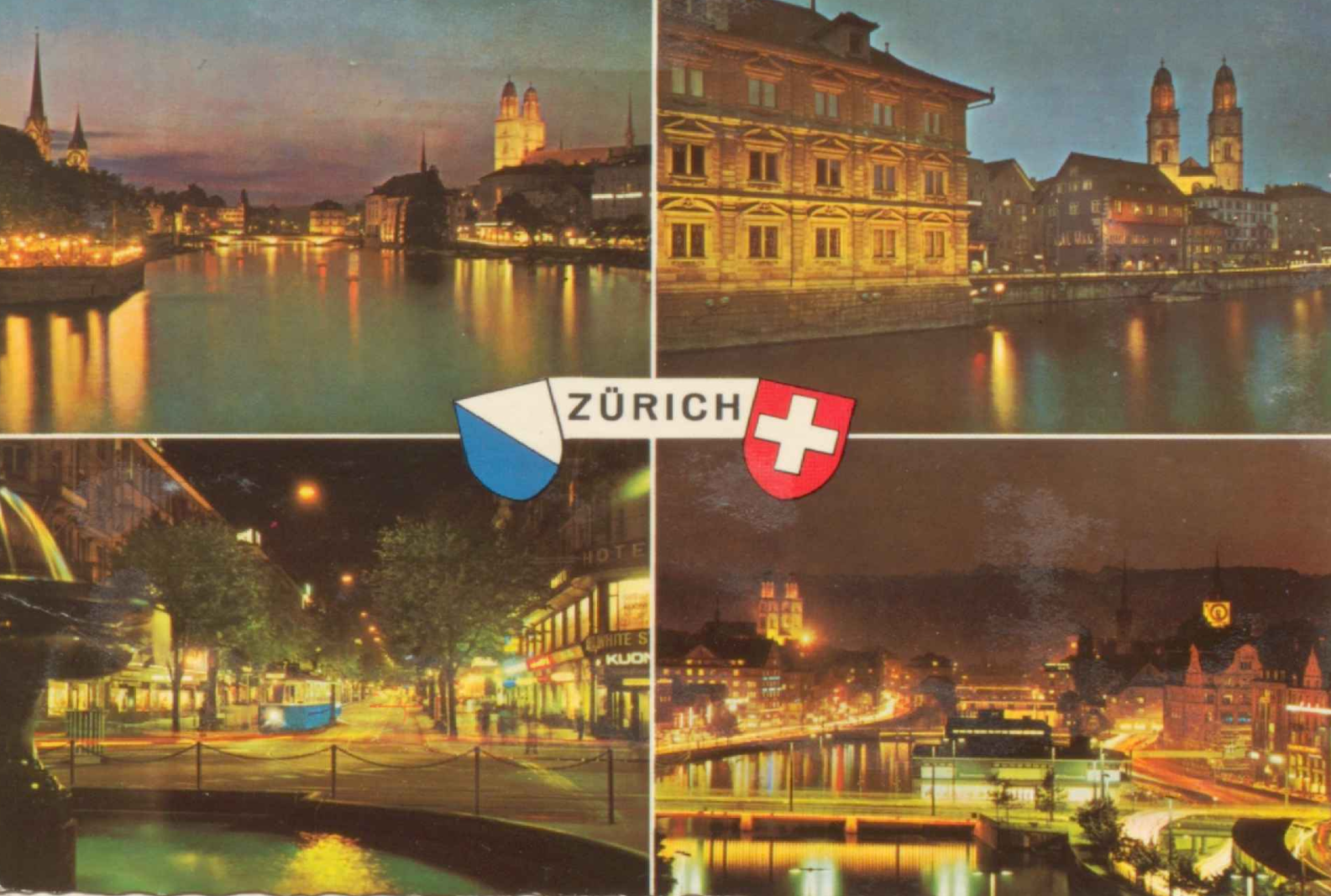
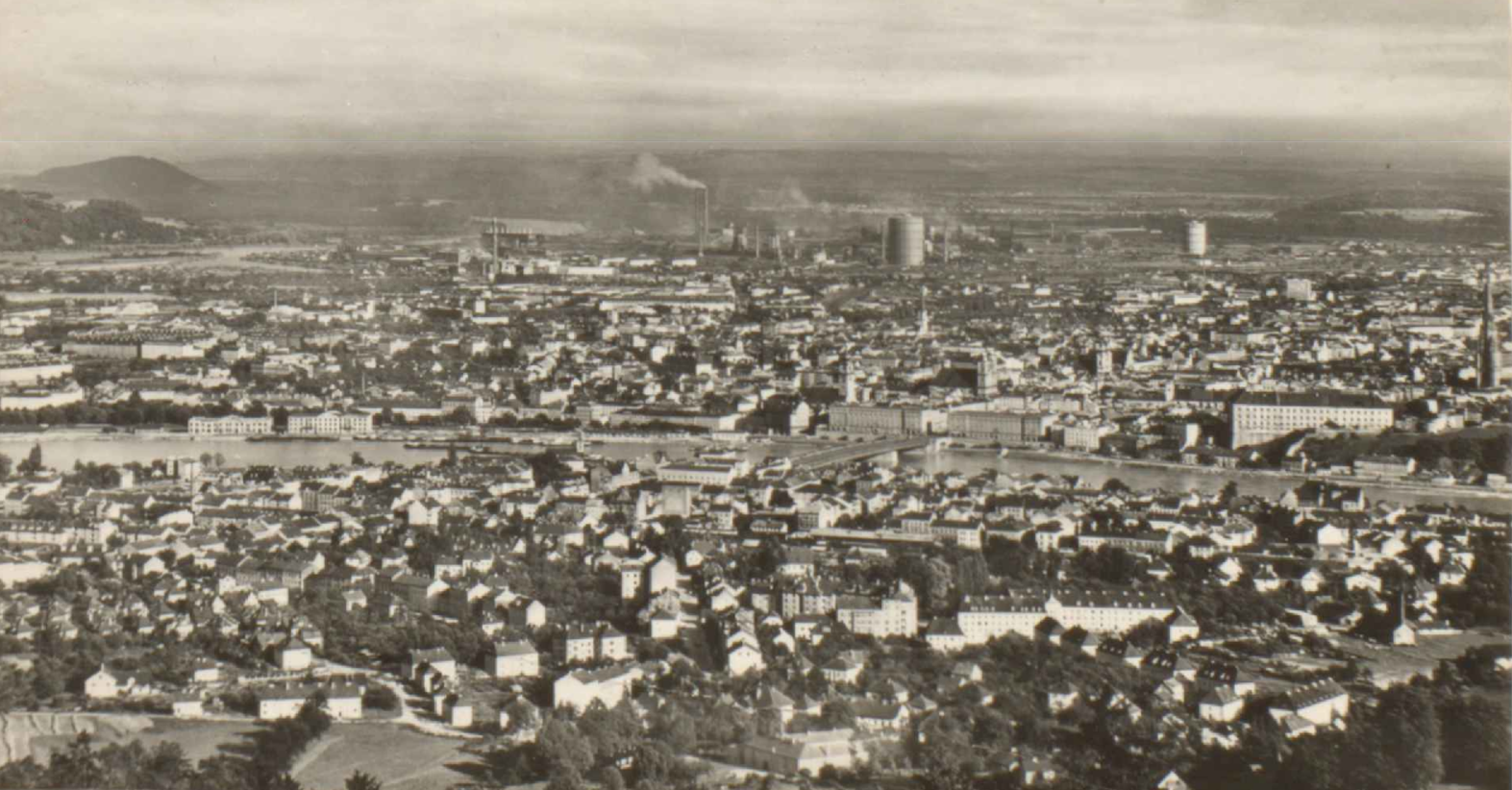
The third child of Růžena Barthová, married name Hübnerová, is her daughter Friederika, born on 26 June 1943. She was not yet two years old when she lived through the May revolution in Prague with her mother and her brothers. They do not have good memories of that time. Today Friederika's married name is Mascheková, and she lives in Linz. She has a daughter, Ulrika, born on 15 April 1968.
We have thus described the fortunes of all the descendants of František Prusík, born in 1824 in Stražiště. Especially for those who became Germanised, and they are the overwhelming majority, and who were still living in Bohemia before and during the Second World War, their fortunes have been very turbulent. The war and the phenomena that accompanied it brought all this with them. They struck hard not only the Czech nation but also many members of the German nationality, who were often guilty of nothing other than belonging to the German nationality.
The next child of the master mason Vojtěch Prusík of Stražiště, who was born there at the close of the reign of Emperor Joseph II, was his son Antonín. He was born on 12 January 1826. He became a shoemaker and had a relatively meagre life. When he grew old, he worked as a postal messenger and walked every day from Žíhle to Stražiště, which was truly a fine “stroll”. Antonín Prusík married first Anna Soukupová, born in 1847 in Stražiště. She, however, died on 10 May 1873 after giving birth to a child. Antonín Prusík was thus already fairly old, 46, when he married for the first time. The baby died too. Antonín Prusík then married again, to Anna Fryčková, born on 20 February 1850 in Mladotice. Together they had two sons and three daughters. Their life was joyless; it was nothing but drudgery and little money. When the trade brought nothing in, they went into service with farmers, worked in the forest and the like. After the death of Antonín Prusík on 28 December 1900 in Stražiště, the widow moved to her married daughter Valentina in Manětín and died there on 28 July 1912.
The First Prusík in Canada
The eldest child of Antonín Prusík and Anna, née Fryčková, was their son Bedřich. He was born on 2 March 1876 in Stražiště. He went through the five-class school in Stražiště and from childhood had to help his parents, who had no bed of roses. He did, however, learn good German; after all, a little way beyond the village of Stražiště there were already German villages. Bedřich Prusík then went off towards Kadaň and Žatec and served there with farmers, which was, after all, a somewhat better life than at home. At the beginning of this century, and of course already before it, a great longing arose to seek one's fortune across the sea. Not even Bedřich Prusík resisted this lure. He spent all his small savings on the journey to Hamburg and across the sea to Canada. In 1901 he landed at a place called Glace Bay. It is a small port town on the Atlantic Ocean in the province of Nova Scotia in Canada. Near this place there were large mines, and the coal was in fact mined right out under the sea. Bedřich Prusík became a miner and hoped that here he would at last find his happiness in life. This dream, however, did not come true for him. Not everyone who went across the “big pond” grew rich. At first Bedřich Prusík worked in the town of Sydney Mines. That was near the port where he first set foot on Canadian soil. At first things went well for him; he even built himself a little house and then longed also for a family hearth of his own. In 1907 he returned to Bohemia and from there brought back a wife. This was Marie Čechová, born on 31 July 1880 in Chrašťovice. Bedřich had known her
since they were young; after all, Stražiště and Chrašťovice are neighbouring villages. When Bedřich was returning to Canada with his wife, he also enticed his brother František to go with them. He then settled again in Sydney Mines and worked there in the mines. Here two children were born to them: Marie on 4 October 1908 and Bedřich on 29 January 1910.
Marie is married to the worker Vilém Nicholson and lives in Sydney Mines, PO Box 588. Marie, like her other three brothers and sisters, understands Czech, but they can no longer read and write in their parents' native tongue. Marie Nicholsonová, née Prusíková, has two sons. The elder is Hugo, born on 18 June 1928; he lives in the state of Ontario in Canada, in the little town of Hagersville. He is a worker. He has three children: a little daughter, Anna, born on 16 June 1951, a little son, Erich, born on 15 February 1953, and another daughter, Alžběta, born on 21 September 1956. The second son is Vilém Nicholson, born on 30 July 1929. He too is a worker. He lives in the city of Toronto, at 227 Symington Avenue. He has one little son, Vilém, born on 15 December 1958.
The second child born to the Prusík couple in Sydney Mines was their son Bedřich. He was born on 29 January 1910 and also lives in the place where he was born, at 225 Main Street. His wife is Berta Ramseyová, born in Canada on 14 March 1915. Bedřich Prusík too works in the mines, as his father once did. He is childless.
When the heavy work in the mines stopped suiting Bedřich Prusík, which was also beginning to show in his health, he moved with his two children in 1912 far to the west of Canada, to the state of Alberta, near the small town of Wetoskiwin. There Bedřich Prusík worked on a farm and later in a mill, and he stayed there four years. That too was a hard life, but at least in the open air and not underground. In this Canadian countryside, 4,000 km from the Atlantic Ocean, another child was born, Anna. That was on 29 April 1915. Today Anna lives, under her married name Sampsonová, in the city of Scarborough on the shore of a great Canadian lake in the state of Ontario. Her address is 63 Bertha Avenue. Anna Sampsonová, née Prusíková, is childless. In 1916 Bedřich Prusík moved with his three children and his wife to the city of Lethbridge in western Alberta. There his second son, Jaroslav, was born on 8 April 1919. In the English way he is called Jerry. Jerry Prusík is still unmarried, lives with his mother in Sydney Mines and works in the fish-canning industry. His mother, always so hard-working, is still looking for a bride for him in Bohemia, but so far no “match” has been found.
Bedřich Prusík returned to Sydney Mines in 1920 and worked there for a short while longer in the mines. Soon afterwards he fell ill with tuberculosis and died on 11 February 1921. Across the “big pond” he found no particular happiness, but on the contrary hard work and an early death.
The second child of Antonín Prusík of Stražiště was his daughter Valentina. She was born on 11 February 1878 and married into Manětín, to the smallholder Leopold Grün. Before her marriage she served for about three years with the farmer Vojtěch Prusík in Výrov. At that time they did not know that they were related to each other. That was in the years 1895 – 1898. Valentina Grünová, née Prusíková, had two children. One is her daughter Albína, born on 31 October 1909. She remained unmarried and is employed as a worker by the forest administration. She lives
in Manětín No. 58. Her mother died at her home on 12 October 1960. The second was a son, Václav Grün, born on 13 September 1913. He works on the state farm in Nečtiny and lives in Leopoldov No. 16 near Nečtiny. His mother, now dead, lived there with him for several years. He is unmarried.
The second son of Antonín Prusík was František. He was born on 11 May 1886 in Stražiště. He too had a hard life. He went to school in Stražiště and for three years served as an altar boy in the stately church of St Martin there. He still remembers today how he used to ring the three bells there, whose voice could be heard far across the countryside. The bells of this church proclaimed to the whole wide countryside, on 11 November 1918, the end of the World War.
Until 1907 František Prusík in fact worked as a landless farmhand. It was therefore no wonder that he let himself be persuaded by his brother, who had been living in Canada since 1901, and went with him across the sea. On 10 December 1907 he arrived, as he often wittily says, in that “promised” land. But he too found no particular happiness there. He spent a large part of his life underground in that frozen Canada, and often that morsel of daily bread was truly won by the sweat of his brow. František Prusík had a home wherever he could hang up his hat or cap and wherever he found work. At first he too was a miner in Sydney Mines, but he soon went far away to the state of Alberta, where the conditions were more attractive. He worked in the mines until 1935, when he was miraculously saved in an explosion of coal gas, but he still bears the marks of that disaster today. In the explosion 16 miners lost their lives at that time, 3 of them Czechs. František Prusík, a faithful Czech, never forgot his language, and although today he lives in an old people's home among people of other nationalities, quite alone, he writes good Czech and often repeats the words “Whoever is ashamed of his own tongue deserves the scorn of all people!”
When we at last found this Canadian Prusík and described to him the origin of our old family and its significance, he replied as follows: “I am glad that I belong to the Prusík family, of which no one need be ashamed. Not all of us, of course, have distinguished ourselves as some of this family have. Many would have had the talent, but money was lacking for better advancement in education. That wretched poverty did a great deal of harm, and many a man under the Austrian government was born poor and died poor. But were it not for those poor, foolish slaves, as the clever ones call them, those clever ones would starve. I have lived here for over 60 years now, but as I see it, the name Prusík will soon be everywhere here in America and Canada only as a name, and no longer by Czech language and nationality.”
František Prusík lives today in the town of Pincher Creek, Crest View Lodge, in the state of Alberta in Canada. It is a pity that so few such faithful Czechs now live across the sea. František Prusík remained unmarried and likes to correspond with his relatives in his homeland. František Prusík died forsaken on 9 May 1968 and was buried in the little churchyard in Pincher Creek in the state of Alberta in Canada, on the very day of his 82nd birthday, 11 May 1968.
The second daughter of Antonín Prusík of Stražiště was Marie. She was born on 14 May 1880 in Stražiště. She was in service with the merchant Löbl in Kožlany, and there she met the weaver Oldřich Kratochvíl. She married him in 1909. Her son was Adolf, born on 30 September 1910, who today works in industry in Žatec. He lives in Boženy Němcové 29. Adolf Kratochvíl has two daughters. Milena, born on 28 September 1940, has the married name Ždychová and lives with her parents in Žatec. She has a son, Pavel, born on 6 April 1964. Milena Ždychová also has a little daughter, Ivetta, born on 23 November 1968. The second is Libuše, born on 6 March 1946, whose married name is Vávrová, in Klášterec nad Ohří, Sídliště Miřetice 406. She has a little son, Aleš, born on 2 June 1968.
The second child of Marie Kratochvílová, née Prusíková, was her daughter Marie. She was born on 25 September 1913 and lives today in Radonice No. 172 near Kadaň. She has a daughter, Alena, born on 8 June 1940. Her married name is Prchalová, and she lives in Jince No. 70 near Příbram. She has a little daughter, Alena, born on 6 March 1966. Then there is Miroslav Došek, after his mother's married name, who was born on 23 March 1948. Marie Kratochvílová, née Prusíková, died of pneumonia on 30 March 1917 in Plzeň.
The third daughter of Antonín Prusík was Albína. She was born on 19 June 1883 in Stražiště. She married into Manětín, to the tailor Jan Pleiner. Like her sister Marie, she too died young, at the age of 34, on 10 September 1917. Albína Pleinerová, née Prusíková, had a single daughter, Marie. She was born on 14 March 1914 in Manětín. Today her married name is Kučerová, and she lives in Prague 1, Karlova 48. She has two sons, František, born on 1 August 1943, and Jiří, born on 30 January 1947. Marie Kučerová does not forget her birthplace and the whole native region, such as Manětín, Stražiště or Plasy.
Around 1788 the first Prusík came from Plasy to Stražiště, namely Adam. In 1900 the last Prusík died in Stražiště, namely Antonín, his grandson. Our family was therefore there for 112 years. Their descendants live today, with our name and with many others, at home and in foreign lands. They had most varied fortunes; some of them distinguished themselves, but many also had to win their crust of bread very hard. For many of them the last home is the idyllic little churchyard of Stražiště, but many laid their bones to rest far from their birthplace, across the sea, in Austria, Germany and elsewhere.
The third son of Vojtěch Prusík, the master mason of Stražiště, was Josef. He was born on 7 March 1828. He trained as a tailor in Kralovice and spoke German as well as Czech; after all, his father was a Czech and his mother a German. He soon went off to Vienna, where he had his own tailoring workshop, and at the time of the Austro-Prussian War he married Eleonora Petrův, who was born in 1831 in Nové Benátky nad Jizerou. They had met in Vienna, where a great number of Czechs were already living at that time. Josef Prusík the tailor did not live long, however; he died in Vienna on 23 March 1872. His wife died in 1891. They had a single son, Karel. He was already wholly a German. He was born in Vienna on 23 September 1867. He trained as a joiner and upholsterer. He won particular merit by being
the founder of several societies for the protection of young people. In this work he showed great energy and saved many young people from a bad fate. His wife was Marie Weberová, born on 1 February 1868 in Mikulášovice in Silesia. Karel Prusík died in Vienna during the Second World War, on 23 April 1943. His wife Marie ended her life six years after him, on 23 March 1949. Both are buried in Vienna. They had a single son, Karel, who was born on 19 May 1896 in Vienna. This Karel Prusík later made our name famous throughout the world. We shall tell you how.
How the Name Prusík Became a Common Term
When someone lives in a mansard, he hardly knows why that room in the attic is so called. It was originally the French architect Mansarde who began to build in this way. When a nelson is used in Greco-Roman wrestling, hardly anyone thinks that it was the American Nelson who first began to wrestle in this way. In the same way, few people realise that the artillery shell called shrapnel is named after the English general Shrapnell, and few suspect that the word “brajgl”, a mess or a commotion, is derived from the famous painter Breughel, whose pictures usually depict lively village fairs, popular brawls and similar turbulent events. Climbers all over the world know the rescue knot “prusík”, and probably hardly know either that its inventor was a member of our family, Dr Karel Prusík of Vienna.
Karel Prusík studied philosophy at the university in Vienna, and later the history of music and music itself. In 1924 he obtained a doctorate in this field at the Vienna university, and soon afterwards he became a professor at the Vienna conservatory. Already as a boy of fifteen he made long, tiring marches into the mountains, and when he was 18 he had already climbed some difficult Alpine summits in the Gesäuse range and in the Dolomites. In the First World War he was on the Alpine front as a lieutenant; he was wounded there and suffered frostbite, and he was afterwards also treated for these in Prague, in the military hospital at Hradčany. According to his own words, this was his only visit to Bohemia, in 1916, although his family came from there.
After the First World War Dr Karel Prusík devoted himself with all his strength to his two loves: mountaineering and music. It is surely a beautiful symbiosis of these two activities. To be high in the mountains, alone and undisturbed, and at the same time to think of sublime music, which so uplifts a man! Because of this passion Karel Prusík did not marry for a long time. In his life he made some 70 first ascents of various peaks in the Austrian Alps, but also in Yugoslavia, of the north face of Triglav, and in the High Tatras and in the Romanian Carpathians. Karel Prusík was one of the first climbers to teach how skis can be used in the high mountains. In the saddle between the Grossglockner and the Hochtor, where he also made some first ascents, a high-mountain gully is named after him.
His fame among climbers rose from 1931, when he invented the rescue knot later called by his name. In the early
days the knot was called Prusík's knot. What is it? It is used chiefly for loops of cord which are fastened to a rope. If they are not loaded correctly, they slide easily along the rope. When we load them correctly, they do not move even by a millimetre. If we wind the loop round once, a single Prusík knot results; winding it twice gives a double prusík. The principle here is that the prusík holds the better, the greater the difference between the diameters of the rope and of the loop. We know the weaver's knot, the ship's loop, the farmer's loop, the dragon loop, which is known internationally as the “Bowline”, the fisherman's bend, the flat bend, or what is known as the ambulance knot, and also, everywhere in the world, the “prusík”. Thus our name became a generally established term.
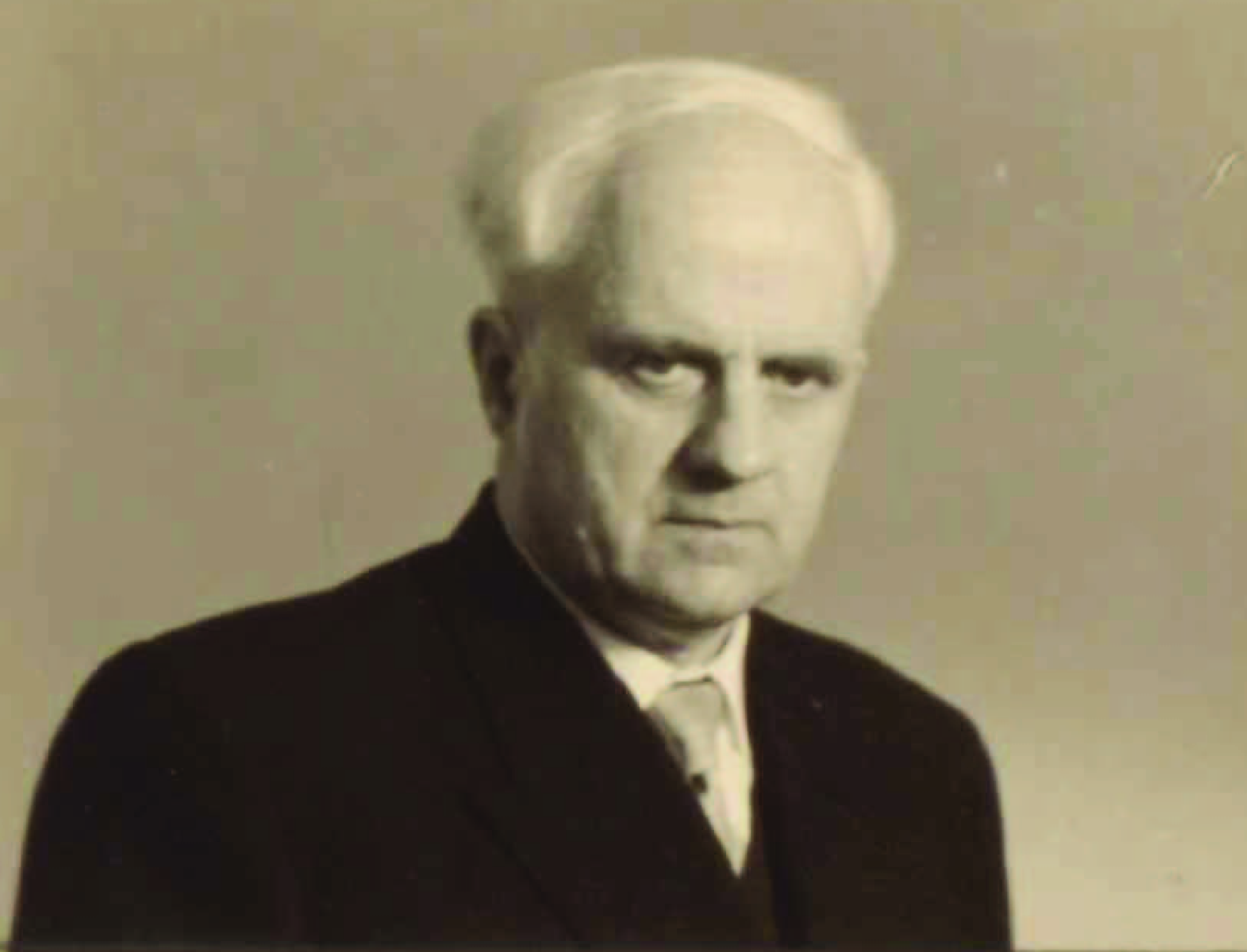
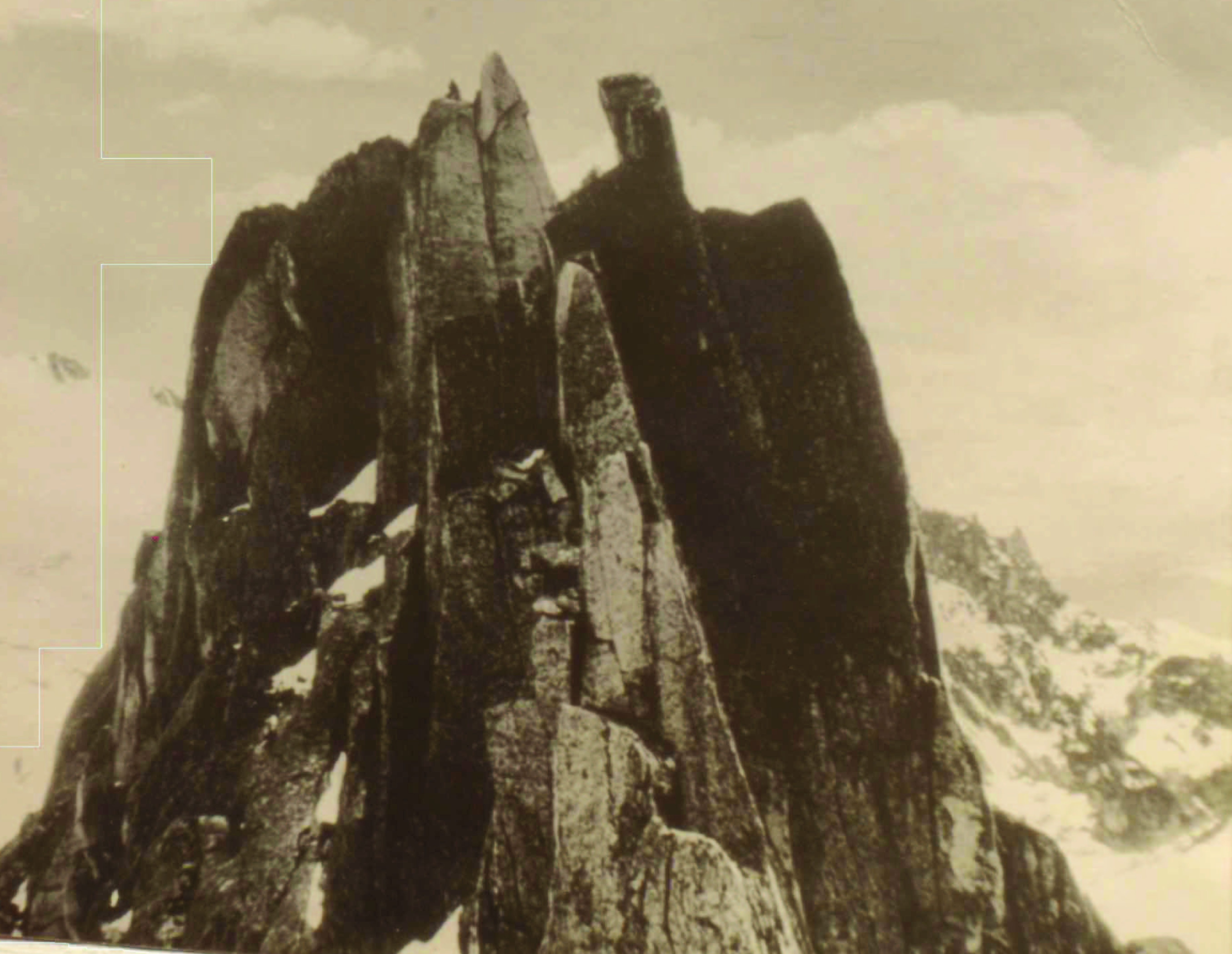
For his merits Dr Karel Prusík received the highest decoration of the Austrian Republic in 1961, not long before his death. From 1950 he was president of the federated Austrian Alpine clubs, and he was also an honorary member of the Austrian Alpine Club, an honour that only a few individuals have received. His knot has saved the lives of thousands in the mountains.
As a musician and teacher at the Vienna conservatory and at the municipal music school in Perchtolsdorf, where he lived, he devoted his greatest interest to playing the guitar. Some ten of his compositions are preserved on gramophone records and in printed music, especially songs celebrating the mountains and old folk customs. Karel Prusík taught not only the guitar but also the violin and other musical instruments. Besides many poems he also wrote a novel, “Faust a hora” (“Faust and the Mountain”). At his instigation a memorial cemetery for the victims of the mountains was established near the monastery of Admont in the romantic valley of the river Enns, below the Alpine giants.
When Dr Karel Prusík returned from the Second World War, he soon married Anna Rincková, born on 13 December 1900 in Heilbrunn near Stuttgart. They had no children together, however.
If we have a Prusík knot, we also have our own mountain. In 1948 the summit of a mountain in the Cashmere Crags range, which is part of the North American mountains in the state of Washington, near the Pacific Ocean in the USA, was climbed for the first time by two Americans. These climbers used the prusík knot and named this mountain Prusik Peak after its inventor. At the time they did not even know that the inventor, Dr Karel Prusík, was living in Austria. In Austria alone there are today some 250 thousand climbers, and in our country too, and in all countries that have mountains, the number of climbers is growing fast. This dangerous but beautiful sport has become the fashion of today. Through it our name penetrates still further into the world.
When the first gathering of our family was held in Prague in October 1958, Dr Karel Prusík had the serious intention of taking part in this family meeting. At that time, however, he was already somewhat ailing, and on 28 May 1961 he succumbed to insidious cancer of the prostate in Perchtolsdorf near Vienna, in the flat from whose windows he could see his beloved mountains. Dr Karel Prusík certainly belongs among the notable members of our family. His widow, Anna Prusíková, lives in Perchtolsdorf, Brunnergasse 1.
The next child of Vojtěch Prusík of Stražiště was his daughter Anna. She was born on 25 July 1830 in Stražiště. On 24 November 1857 she married the gamekeeper Jan Monsé. His grandfather had come to Bohemia after the French Revolution. Anna Prusíková's husband Monsé served at the Černá jáma gamekeeper's lodge near Kaznějov, which no longer exists today. He was also at Lomany, all of which belonged to Metternich's estate at Plasy. Anna Monséová, née Prusíková, had seven children, and of them four died tragically of diphtheria within a single month. They were Karel, born on 23 July 1859, who died on 16 January 1879. Then Rudolf, born on 27 March 1863, who died on 24 January 1879. Then there was Josef Monsé, born on 13 October 1864, who died on 10 January 1879, and their sister Anna, born in 1869, died first of them, on 2 January 1879. It was surely a terrible blow for the whole family.
Her daughter Albína was born on 24 October 1857, and her married name was Matoušková, in Rakolusky near Kozojedy. She died there on 17 November 1932. Her husband was a mason and had a small farm. Albína Matoušková had only one daughter, Anna. She was born on 26 October 1901, and her married name was Vonásková. Her daughter Anna, born on 10 January 1928, is married to Vopat, a shop manager. They live in Prague 9, Kyje, Kmochova 850. They have a single son, Bohuslav, born on 26 July 1951. Anna further had a son, František Vonásek, who was born on 10 July 1930; he is unmarried, works in the collective farm (JZD) and lives in Rakolusky with his mother, at No. 2.
The second daughter of Anna Prusíková, married name Monséová, who escaped the diphtheria, was Matylda. She was born on 8 March 1867 at the gamekeeper's lodge in Lomany. She too married a gamekeeper, namely Ševčík, and spent the greater part of her life with him at the gamekeeper's lodge in Mladotice. She had eight children: three daughters and five sons. Matylda Ševčíková died in Plasy on 25 November 1943. Her eldest child was her daughter Marie. She was born on 29 March 1890 and had two children. Her daughter Jarmila, born on 12 January 1927, has the married name Peroutková and lives in Plzeň-Slovany, třída Budovatelů 38. She has a son, Stanislav, born on 14 February 1954. Marie Kodymová, née Ševčíková, then had another daughter, Marie, born on 2 October 1928. Her married name is Jelínková, in Plzeň, Suvorova 3. Marie Kodymová died on 18 September 1948 in Plzeň. Then there was a son, František Ševčík. He was born on 15 April 1892 and fell in the First World War on the Russian front on 3 September 1914. Next there was a son, Jaroslav. He was born on 13 April 1895. He knew well of his relative Bedřich Prusík, who had been living in Canada since 1901, and he too went there in 1921 to seek his fortune. At first he was in Sydney Mines, where he had a butcher's shop and his own house. Then he moved to the city of Charlottetown on Prince Edward Island. There too he opened a butcher's shop; he also had his own bakery there and even a fox farm. In 1945 he went to Europe and studied medicine and veterinary science. Then he returned to Canada again and lived in the port city of Halifax. There he successfully treated asthma and skin diseases. Because of his many-sided activities he did not even have time to marry, and when he was at last slowly preparing for it, he died suddenly of a stroke on 1 September 1955 in Halifax, on the shore of the Atlantic Ocean in Canada.
The next child of Matylda Ševčíková, née Monséová, was her daughter Matylda, born on 31 July 1896, who remained unmarried. She lives with her brother Bohumil in Plasy No. 31. Her brother Bohumil was born on 4 February 1898, worked at the sawmill in Plasy, also remained unmarried and lives there at No. 31. He is the best authority on the history of the whole Ševčík family. The next daughter was Božena. She was born on 15 May 1902; her married name was Smolíková, and in the end she was a nurse in the hospital for lung diseases at Svatá Hora in Příbram. She died there, childless, on 29 January 1962.
Next was a son, Rudolf. He was born on 25 August 1905 and, at the invitation of his brother Jaroslav, went to Canada in 1927 to help him there on the farm. When Jaroslav moved to Prince Edward Island, Rudolf went there with him and settled there for good. He had already trained as a gardener before that, at home in Plasy. He still works at it and helps to keep up the gardens of some of the rich in Charlottetown and its surroundings. He lives in this city at 34 Euston Street. He remained unmarried.
The last was Adolf Ševčík. He was born on 17 June 1907 in Mladotice, worked at the sawmill in Plasy and lives there, where his brother and sister also live, at No. 31. Adolf Ševčík has three children. His daughter Jarmila, born on 24 January 1938, is married to the forester Wollráb in Manětín. They have a little son, Stanislav, born on 5 June 1963. Adolf's second daughter is Věra, born on 1 June 1942. Her married name is Neumannová, and she lives in Plzeň, Švihovská 13. She has a son, Zdeněk, born on 28 February 1963. Adolf Ševčík also has a son, Miroslav, born on 14 December 1944. He is unmarried and lives in Plasy.
The last child of Anna Monséová, née Prusíková, was her daughter Žofie. She was born on 27 April 1872 in Lomany. In 1895 she married the carpenter Tomáš Fencl in Radnice. Her mother lived with her in old age and died there at the age of 79 on 18 January 1909. Soon after her, her daughter Žofie followed her to the grave, young, at the age of 37, on 3 May 1909. She left three children behind. The eldest was her son František Fencl, born on 1 May 1899 [sic; his sister Marie, below, was born on 18 February 1897, so either one of the two years or the word “eldest” is wrong]. He is a member of the collective farm and has remained unmarried. He lives in Radnice No. 44. Then there was a daughter, Marie, who married Karel, the owner of an inn. She was born on 18 February 1897. She had two sons; her son Josef, born on 22 February 1930, lives in Radnice near Rokycany with his uncle, at No. 44. He works as a foreman at the Škoda Works in Plzeň. Josef Karel has three children. His son Josef was born on 10 June 1953, Zdeněk on 13 January 1956 and his little daughter Marie on 12 January 1959. The second son, Antonín Karel, works at the Matylda mine as a maintenance man. He lives in Radnice No. 239. He has two little daughters, Hana, born on 9 January 1962, and Zdeňka, born on 3 July 1963. The mother of these two Karels, Marie, died after completing seventy years, on 20 August 1967 in Radnice.
The third child of Žofie Fenclová, née Monséová, is her son Jan. He was born on 4 August 1904, remained unmarried and lives in Cheb, Písečná 10.
The next child of Vojtěch Prusík, the mason of Stražiště, was Václav Prusík. He was born on 16 September 1835. He trained as a joiner and cooper. For a certain time he lived in Plzeň, after he had earlier
seen a piece of the world on his journeyman's travels. He married Magdalena Kokošková, born on 6 November 1835 in Snopoušovy near Dobřany. Two daughters and a son were born of this marriage. In 1877 Václav Prusík left Plzeň and settled in Dobřany, but he died there as early as 7 January 1879. His widow then lived with the children in Dobřany and died there on 18 September 1892.
The eldest child was his son Václav. He was born on 11 December 1864, trained as a blacksmith, then lived in Dobřany, but died young, at the age of 21, on 1 November 1885. The second child was Barbora Prusíková, born on 28 September 1868 in her mother's birthplace, Snopoušovy. On 24 August 1889 a child was born to her out of wedlock, Barbora. When in 1893 she married Václav Kratochvíl of Brno and went there with him, her child was legitimated and received the name Kratochvílová instead of Prusíková. Barbora Kratochvílová, née Prusíková, died in Brno, young, at the age of 28, on 1 April 1896.
Her daughter Barbora had a harsh life from childhood. She later became a nurse in the institution for the mentally ill in Dobřany and then also in Prague-Bohnice. Already in her youth she showed a literary spirit, passionately loved books and wrote many stories and poems, especially with regard to life in the “madhouses” and to her own hard life in her youth. She married late in life and now lives as Barbora Czorná in Dobřany, Jungmannova 719. Her husband is of Ukrainian origin and served with a dragoon regiment in Klatovy.
Like her mother, Barbora Kratochvílová too had a child out of wedlock. This is František Kratochvíl, who was born on 26 January 1915. He is an official in the health service. He lives in Brno, Klusáčkova 5, where his mother also lived for quite a long time before she married and withdrew to her birthplace, Dobřany. František Kratochvíl has two children: his son Jiří, born on 25 December 1952, and his little daughter Ivona, born on 25 September 1957.
The third child of Václav Prusík the cooper was his daughter Matylda. She was born on 15 February 1871 in Plzeň. Later she lived in Dobřany; there she met the baker Josef Váňa and later moved with him to his birthplace, Kamenný Újezdec in the Sázava area. Unlike her brother and sister, Matylda Váňová died at the fine age of 83, on 15 December 1954. She had two children, a daughter and a son. Her daughter Anna, born on 19 July 1893 (died 6 April 1969), married the soldier Lukáš, who also served in the garrison at Dobřany. The Lukášes had a single son, Josef, born on 13 August 1920. For a time he was an enterprising merchant, but now he is employed by the Czechoslovak Airlines. He lives in Prague 7, Schnirchova 26. His first wife died soon, and he is now married for the second time. Josef Lukáš has two children from his first marriage: his son Josef, born on 26 October 1946, and his daughter Jitka, born on 12 November 1948. Matylda Váňová, née Prusíková, then also had a son, Jan. He was born on 5 February 1900, was an official in industry and lived in Sušice. After February 1948 he helped some persecuted people when they were fleeing across our borders, and for this he was punished with quite a long imprisonment. This shortened his life. After his release he worked at the SOLO works in Sušice, and there
sudden death overtook him on 11 September 1962. Jan Váňa is truly a victim of the times, for he himself had always been an ardent socialist from his youth, but he was never an advocate of violence. He left two children behind. His daughter Božena Váňová, born on 21 December 1938, is unmarried and is employed in a textile shop in Sušice, where she lives in Leninova 251. The other was his son Jan Váňa, born on 23 November 1934, who became a teacher. His special field is mathematics and natural science. He works and lives in Velhartice in the Šumava, No. 123. He has two children, his son Jan, born on 12 October 1961, and his little daughter Šárka, born on 21 April 1964.
The last child of Vojtěch Prusík of Stražiště was Jan. He was born on 8 December 1837 and trained as a locksmith. He served a number of years in the army and also fought in the Austro-Prussian War of 1866. On 24 February 1868 he married Jana Legová, the daughter of the teacher in Stražiště. She was born there in 1840. The hardships of war, however, left Jan with grave after-effects, and only two years later he died without descendants, in 1870.
Afterword on the Stražiště Branch of the Family
We have just described to you the fortunes of the descendants of Vojtěch Prusík, the master mason of Stražiště, who was born there in 1790. Some of his descendants had an eventful life and often also a very harsh one. A quite considerable number of them have lost their original Czech nationality in the course of 150 years and live today abroad, in Germany, in Austria or even across the sea in Canada. That is about a third. All of them, however, claim their ancient origin in a small Czech village.
Vojtěch Prusík, the master mason of Stražiště, who died there in 1867, has left 160 descendants up to the present day, 49 of whom are now dead. Only one member of the family from the Stražiště branch rose above the average, and today, among climbers all over the world, his name has even become, in the word “prusík”, a generally used term. He is the inventor of the climbing knot, Professor Dr Karel Prusík of Vienna, whose grandfather Josef left his birthplace, Stražiště, about 120 years ago, in 1848. His beautiful musical compositions too are preserved in eternal memory on gramophone records and in print. After all, music was, beside the mountains, the greatest love of Dr Karel Prusík, and as a professor at the Vienna conservatory he trained several generations there.
Few are left today of those who by their origin belong to Stražiště and to the branch named after this little village and who know this village themselves. It would surely be beautiful if at least once in their lives they saw the places that had meaning for them, even though for the most part they themselves were born somewhere quite different. This also applies to the village of Sedlec near Plasy, where the ancient origin lies of all of us who by blood belong to the ancient Prusík family.
Now, on the next page, you can again read the names of those who were born with the name Prusík or Prusíková, and what other names have appeared in this branch in the course of time.