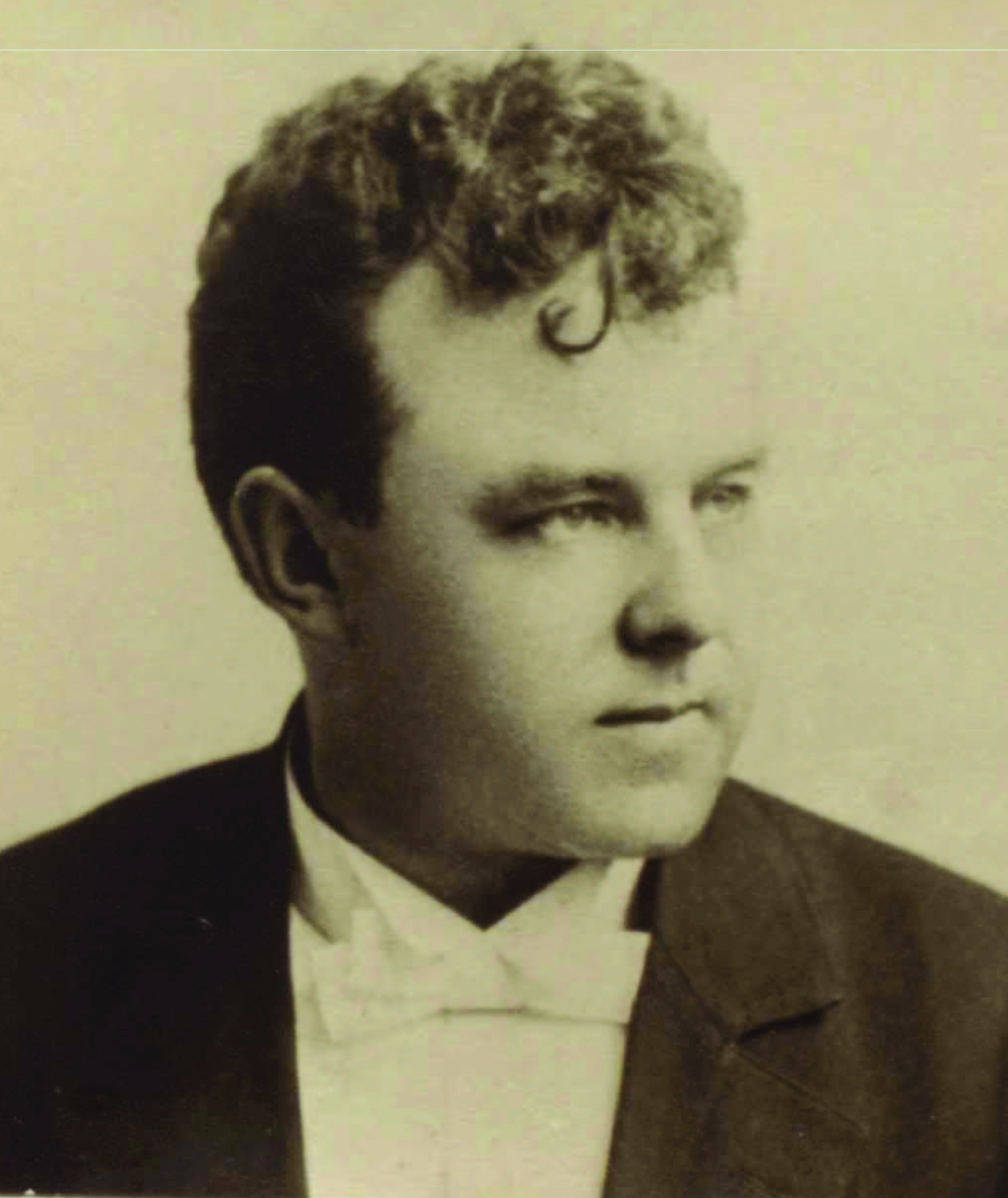
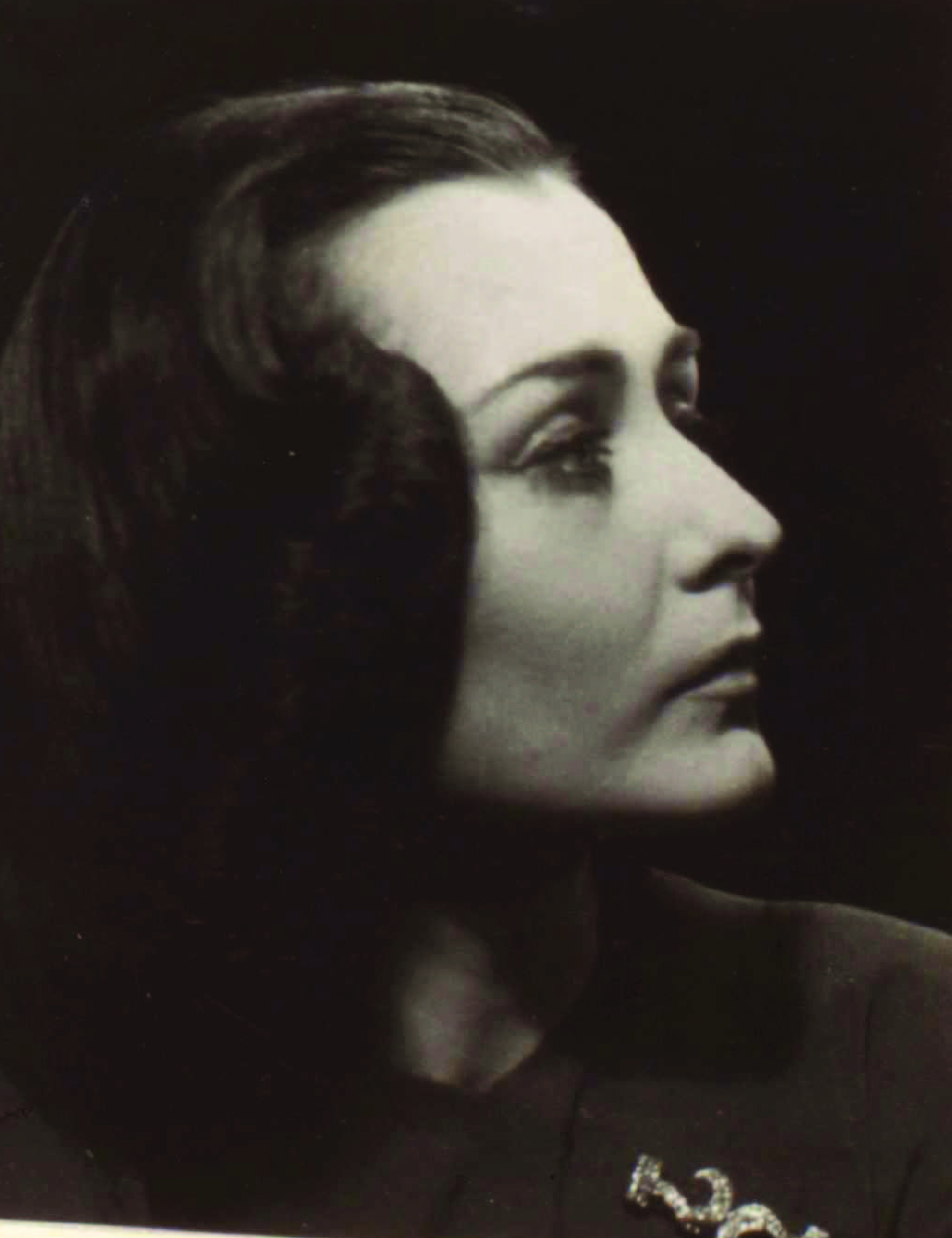
The Nebřežiny Branch
Translated from the Czech by Claude, an AI model by Anthropic, in 2026.
Founder: Josef Prusík
1796 – 1875
It is now time to tell of the members of our family who settled in the village of Nebřežiny near Plasy, and of their descendants.
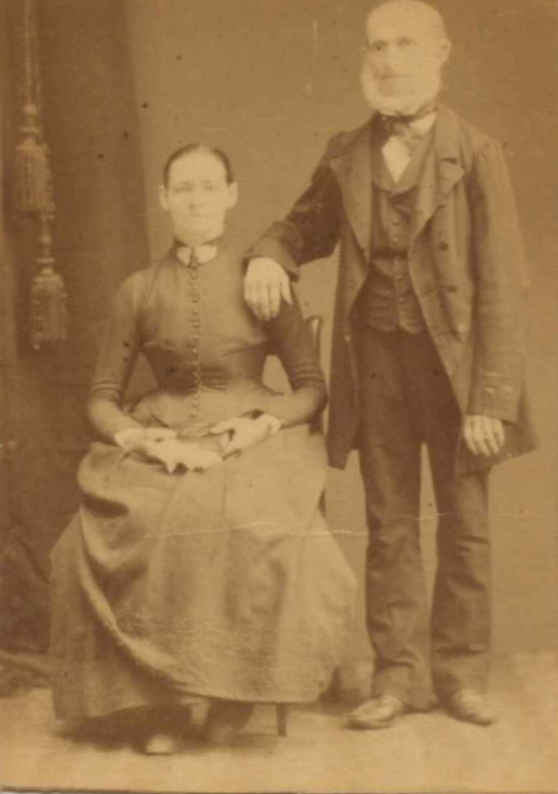
The builder Martin Prusík of Plasy, who came there from Sedlec in the second half of the 18th century, had a second son, who was baptised Josef. He was born on 20 March 1796 in Plasy. He did not, however, learn the mason's trade from his father, but became a shoemaker. In the nearby, romantically situated little village of Nebřežiny on the Střela, a man named Říha had a shoemaking business. He had a little house there on the right bank of the Střela, and in 1816 Josef Prusík married into it. At that time his brother František, who was a mason, was already living here too. Josef's wife was Jana Říhová, born on 24 May 1795 in Nebřežiny. They had ten children together, but only six of them grew up. These were the daughters Josefa, Marie and Alžběta and the sons František, Josef and Emanuel.
When the monastery at Plasy was founded in 1144, Duke Vladislaus II gave it, among other villages, Nebřežiny too. In the 13th century the monastery founded a demesne farm here, and in 1412 Abbot Gottfried settled the village of Nebřežiny under emphyteutic law. Since time immemorial a land route had run through Nebřežiny, linking the whole of the north with Plzeň. That is why the monastery built a bridge here over the river Střela, already in ancient times. From 1601 a toll was levied on the bridge in Nebřežiny, and it brought the monastery a good deal of money, for many people travelled across the bridge on business. In the time of Emperor Rudolf II everyone who drove over the bridge with a heavy cart or with a sledge paid a Bohemian groschen; for a lighter cart, seven small pennies; for every horse, harnessed or unharnessed, two white pennies; for oxen and cows, three pennies each; for three calves, goats or pigs, two pennies; and for smaller livestock, one penny. Even everyone on foot crossing the bridge had to pay one penny. During the Thirty Years' War bands of soldiers often swarmed through here, and it was then, too, that the village was burnt down completely. After this ruinous war only two villagers eked out a living here. In this village was born, in 1820, Václav Levý, later a famous Czech sculptor and a forerunner of Myslbek. The members of our family therefore knew him from childhood.
Josef Prusík sold his goods not only in the village but over a wide area round about, and in Plasy especially. His brother Antonín lived there.
The eldest child of Josef Prusík was his daughter Josefa. She was born on 19 December 1820, and in 1844 she married Josef Kříž, a worker in the parquet factory in Nebřežiny. They had about six children, and three of them reached the age of at least ten: Josef, born in 1846, František in 1851 and a daughter, Jana, in 1853. According to our research, a baptismal certificate was
issued to Josef in 1872. That was probably for the purpose of his marriage. Even before the disastrous flood, the family of Josefa Křížová, née Prusíková, moved away from Nebřežiny, and despite the most strenuous efforts we have not succeeded in finding where they lived afterwards. It is, however, probable that her descendants are living somewhere, in later generations.
Before Josefa, to be exact, a daughter, Marie, was born, who in 1840 married Josef Žaloudek, a miller's assistant and later a groats maker in Nebřežiny. Marie Prusíková was born on 21 November 1818. She had five children, but her whole family perished in the catastrophic flood of 1872. That was on 25 May. With her perished her sister Alžběta too, who lived in another house in Nebřežiny, together with her father Josef Prusík, who was by then a widower. His wife Jana, née Říhová, had died a year before the flood, on 13 April 1871.
The flood of May 1872 was a real catastrophe, not only in Nebřežiny but to a considerable extent also in the basin of the Berounka and in Prague. How did it happen?
On the Flood in Nebřežiny
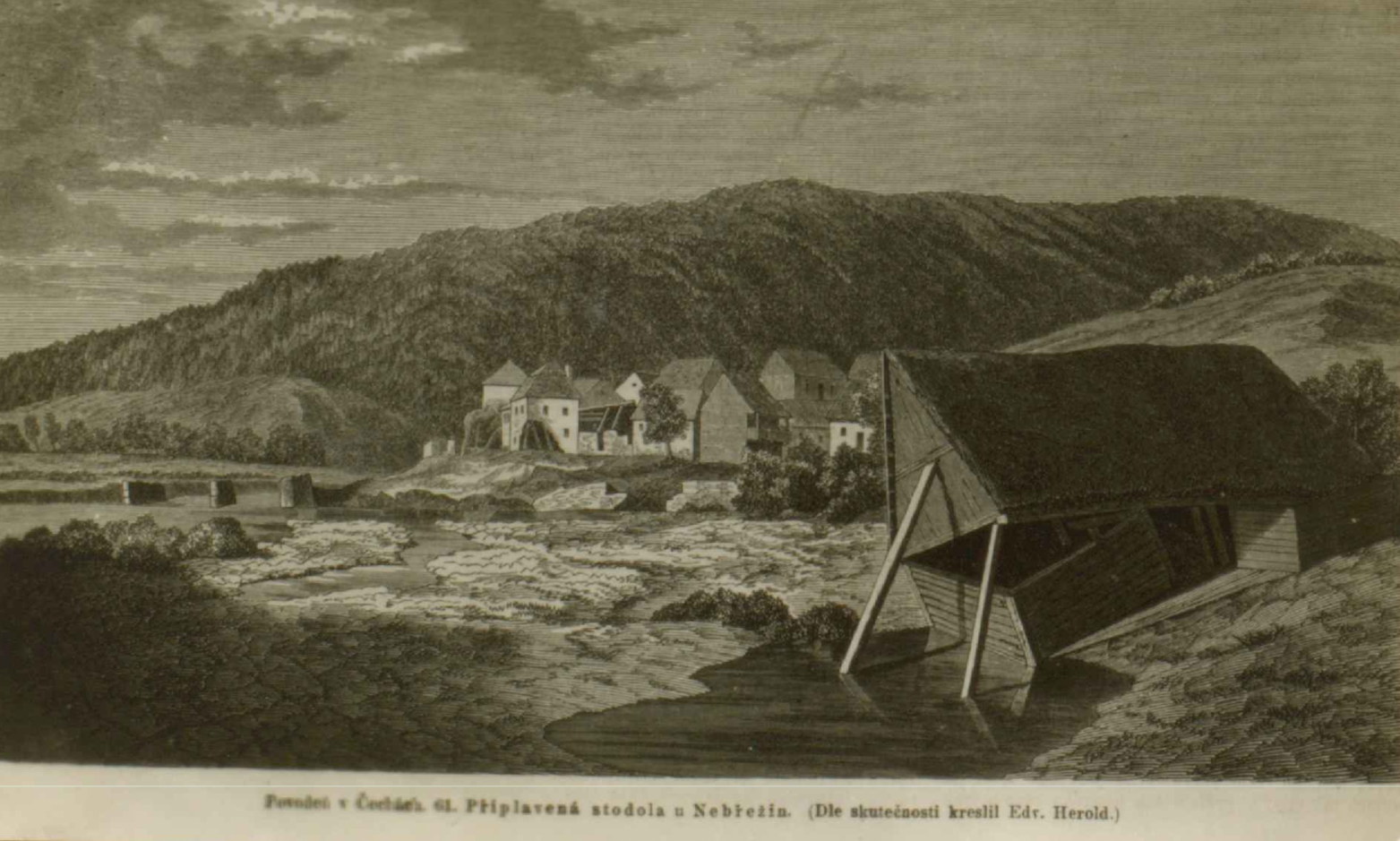
On 25 May 1872 a great cloudburst came down on the whole Plasy region. It was worst on the Potvorov hill, where a whole hillside slid down together with part of the railway that had been built there, and it was then, too, that a little lake was formed, at the bottom of which the rails of the new railway lie buried. This was the newly built railway from Plzeň to Duchcov, and between Mladotice station and Přehořov you can see this quiet little lake, with the pensive woods around it, which is a witness of the catastrophe. In the Mladotice pond, of which no trace remains today from those days, so much water accumulated that its dam burst and the water rushed down on Plasy.
Below the dam of this pond there was a mill. It is remarkable that the dwelling was spared; only some of the buildings were destroyed. It is said that a great many things were washed up into the miller's yard, beds, chairs, cupboards, tables, and that in one cupboard 4,000 gulden were found.
The water carried away with it everything that was in its path. At the sawmill in Plasy it took the stocks of planks and logs, and then it tore down the bridge over the Střela and two little houses. All this blocked the swift fall and the free outflow of the river, which runs on into the hills, as they are called, towards Nebřežiny. In a moment the ground floor of the convent building was under water, and there the rent-master Siebert and one woman were drowned.
The great flood had still more terrible consequences in Nebřežiny. It reached the village only at night and carried away eight little houses together with their inhabitants, and a mill; it tore down the bridge and washed up two little houses and a little barn from Plasy. At that time workers who were building the new railway were living in Nebřežiny. Eighteen of them were drowned. Of the other inhabitants of Nebřežiny fifty were drowned, so there were sixty-eight victims in all.
How fast the water rose then could be seen from the observations at the Old Town mills in Prague. On 25 May at five o'clock in the afternoon the water level was five and a half inches above normal. At one o'clock at night it was already fifty inches above normal, and on 26 May at two o'clock in the afternoon as much as 2 fathoms, that is, well over 100 inches.
This misfortune struck our family heavily. Marie Žaloudková, née Prusíková, was drowned with her whole family, and of the destruction of their little house the “Světozor” of that time, published by Dr Skrejšovský, wrote this: “Horror seized us when we saw how the floating little house was beginning to disappear; it was smashed to pieces by the waves and the floating logs. Only one man, clinging to a beam, was cast up alive on the bank after about an hour and a half. Žaloudek's wife was found dead below Nebřežiny, holding with one hand to a forest tree, which she had caught hold of in her death struggle, and in her other hand her child.” Alžběta Prusíková, born on 7 July 1829 in Nebřežiny, remained unmarried, and when that destruction came upon Nebřežiny in 1872 she was nursing her old father. He too would almost have perished; he was already up to his waist in water, but his daughter still managed to carry him out of the cottage. Then she went back into the cottage for the featherbeds; at that moment the water lifted the cottage and spun it round, and no one ever saw Alžběta Prusíková again. So two daughters of Josef Prusík perished in 1872, and with them the children of one of them, married name Žaloudková.
Josef Prusík, the shoemaker of Nebřežiny, died not quite three years after that, on 9 January 1875. He lived to the age of 79.
The first son of Josef Prusík who grew up was František. He was born in Nebřežiny on 18 January 1823. He learned shoemaking from his father and then set out into the world. He worked as a journeyman in Plzeň and Prague; in 1840 he set off on his journeyman's travels to Vienna, and then on as far as Styria, Carinthia and the Tyrol, where he also visited Brixen, where Karel Havlíček Borovský was held prisoner. František Prusík then tramped on through Merano and Trento to Vorarlberg, and worked there in Feldkirch. Then he crossed the border into Switzerland, and he also took a look at Constance, where Master Jan Hus was burnt at the stake. In Switzerland he worked for four whole years, but there he pricked his hand with an awl, and at that time there was not yet any provision for a sick man when he was unable to work. That is why he returned home in 1846, and on 12 October 1847 he married for the first time. He settled in Plasy and took as his wife the sexton's daughter Marie Bradáčová, born on 16 July 1826. From this marriage he had four children, three sons and a little daughter, but all of them died in childhood. František Prusík's first wife, Marie, also died early, on 4 December 1855. Half a year later František Prusík married for the second time. This was Marie, née Beránková, from Lednice, born on 18 January 1826. With her František had three daughters, of whom two grew up, Anna and Marie. Marie Prusíková, born on 10 May 1862 in Plasy, married the shopkeeper Řehák in Prague at the age of twenty, but she died after giving birth, as early as 15 November 1882. The child did not survive either. The second daughter of this
marriage of František Prusík was Anna, and her descendants are living. She was born on 21 November 1857 in Plasy. She married the shoemaker Blažej Hutter, a German in Vroutek. With him she had several children, of whom only two grew up. Anna Hutterová, née Prusíková, however, died relatively young, on 17 December 1892. Her descendants are now Germans. Her daughter Anna was born on 30 May 1881 and lived, under her married name Richterová, in Ústí nad Labem. She died during the World War, on 25 May 1917, in Zálezly near Ústí nad Labem. Anna Richterová, née Hutterová, of Vroutek, had a daughter and a son. Her daughter Marie was born on 1 April 1910 in Ústí nad Labem; her married name today is Goldaová, and she is childless. Since the expulsion from the republic she has lived in the picturesque little town of Waiblingen near Stuttgart, Schlesierweg 2. Before that she lived in Nuremberg. Her brother Rudolf Richter was born on 15 October 1912 and lived in the town of Geisingen near Constance. He came out of the Second World War badly disabled, and he died on 22 March 1967. He has a son, Rudolf Richter, born on 6 August 1940. He lives in Stuttgart, Engelboldstrasse 102. His wife is a Spanish woman from Valencia. They have a daughter, Michaela, born on 29 December 1966.
The second child of Anna Hutterová, née Prusíková, was her son Arnošt. He was born on 20 July 1890 and settled in Žatec, where he was a municipal official. He had a son and a daughter. According to witnesses, Czechs who knew him, he never acted aggressively against the Czech nation, to which he belonged through his mother. After the war he was expelled, and he died in Halle in the German Democratic Republic (GDR) on 7 June 1963. His son Arnošt Hutter studied medicine in Prague. He was born on 24 September 1914 in Žatec and today lives in the town of Moosburg in Bavaria, Statzenbachstrasse 1. He has a fine villa there and his own practice. His little daughter Birgit Hutterová was born on 14 February 1959. The second child of Arnošt Hutter, a native of Vroutek, is his daughter Hilda. She was born on 8 September 1924; she was musically gifted, but the war thwarted these studies. Today her married name is Lebiodaová, and she lives in Halle an der Saale, C 2, Vogelherd 25. She has two sons, Petr, born on 31 August 1950, and Harald Lebioda, born on 1 November 1952.
Marie, née Beránková, the second wife of František Prusík, the shoemaker of Plasy, also died relatively young, on 15 July 1872. And so František married for the third time. On 14 January 1873 František married Josefa Sillabová, born on 26 February 1840. Her birthplace was Dammerschlag near Tachov. Into the marriage with František she brought her little daughter Anna, born out of wedlock in 1869 in Černošín near Stříbro. Anna later had the married name Soprová, in Dobrá Voda near České Budějovice. She had four sons and one daughter, Anna, married name Komárková. We mention these children, even though they do not belong to our family by blood, because they were all on the friendliest of terms with the Prusík family.
František Prusík then had several children with Josefa Sillabová, but only two grew up. His four-year-old little son Josef was run over by a cart loaded with earth and was killed outright. The shoemaker František Prusík was a village scribe. He kept a family chronicle, but he also recorded in it all the events of the locality, the region and the land. The year 1868, that is, a hundred years before we came to write
this history, he describes briefly as follows: “On 30 March 1868 there was such a hailstorm that hailstones fell as big as eggs; both the grain and the trees were smashed. After that it did not rain the whole summer, throughout the Czech land.” And of the following years František writes this: “In 1869 there was again such a drought that people went hungry, and in 1870 there was a long-lasting winter, so that on 25 March so much snow fell that no one could remember the like.” And so the readers of this history will see whether that weather repeats itself after a hundred years.
František Prusík was a very sprightly old man right to the end of his life. When his third wife died in Plasy on 26 January 1889, he was left alone, for his son Karel was just then away on his journeyman's travels. He might perhaps have married for a fourth time, but his son came back from the world and married, and the old man lived out his days contentedly in the midst of his son's family. He died on 19 June 1902 in Plasy.
František's son by his third marriage was Karel, born on 22 October 1873. Karel Prusík trained as a basket maker with Antonín Rott in Plasy. He too then set out into the world as a journeyman, as his father once had. First he worked in Děčín; later he went by way of Plzeň into Bavaria and got as far as Salzburg, where again he worked; then he was in Innsbruck, later in Switzerland, and then in Munich, where again he worked as a basket maker. From there he had to come back to do two years' military service, and in 1896 he went back to Munich once more, where Ludmila Bradáčová, born on 25 July 1872 in Plasy, was then working as a cook. She later became his wife. At his father's urging Karel Prusík returned to Plasy and there set up his basket-making business, in which he later excelled so greatly. Karel Prusík too wrote his memoirs, as his father had before him, and they are a most valuable lesson even today. Karel Prusík had five children, four daughters and one son. The eldest child of Karel Prusík and Ludmila, née Bradáčová, was their daughter Marie. She was born on 11 February 1899 in Plasy and married František Šnábl, a worker at the Škoda Works. Marie Šnáblová lives today as a widow at Plasy No. 33. She had three children. Her son Jan, born on 10 January 1932, died young, on 8 August 1948. Her daughter Marie, born on 9 July 1925, has the married name Šmídlová. She has a little daughter, Marie, born on 14 March 1947. The third child of Marie Šnáblová, née Prusíková, is her daughter Ludmila, born on 22 July 1937. Her married name is Třísková, and she is childless. She lives in Plasy.
The second daughter of Karel Prusík, the basket maker in Plasy, is Božena. She was born on 5 August 1900, married Václav Nový and lives at Plasy No. 318. She has two children. Her son Karel Nový, born on 29 July 1926, works at the power station and lives in Most, třída Budovatelů 2365. He has a little daughter, Hana, born on 1 June 1960. The second child of Božena Nová, née Prusíková, is her daughter Josefa, born on 27 January 1927 [sic; her brother Karel, above, was born on 29 July 1926, only six months earlier, so one of the two dates is wrong]. Her married name is Šandorová, and she lives in Plasy. Her daughter Marie, born on 5 October 1946, now has the married name Korbelíková. She has a little son, Petr, born on 4 August 1966. Pavel Šandor was born on 28 April 1949 and lives with his parents in Plasy.
The only son of Karel Prusík of Plasy was his son Karel. He was born on 11 August 1905. He too learned the basket maker's trade from his father, but for a long time he was also a clerk at financial institutions, the Kampelička, the village savings and loan bank, and the savings bank. For over thirty years he was chief instructor of the Sokol gymnastic society in Plasy, and for a time also chairman of the Provincial Union of Basket Makers. His special hobby was acting. He appeared in various roles as an amateur actor in the villages of his native region. He now lives in Most, třída Budovatelů 2324, where he withdrew after 1948. He worked there at the power station until he retired. His wife is Anežka Manová, born in Kožlany on 7 November 1900. Three children were born of this marriage. His son Karel Prusík was born on 27 October 1930 and would also have taken over the basket-making business, but the course of events thwarted his plan. He now works at the sawmill in Plasy, is an active sportsman and chief instructor of the Sokol there. He lives at Plasy No. 113. His wife is Marie Chimincová, born on 23 November 1932 in Záryš, in what was formerly Subcarpathian Ruthenia. They have two children. Their little daughter Hana was born on 6 April 1955 and their little son Karel on 25 July 1956. This boy is the fourth generation in the family to bear the name Karel, and so he is sometimes called Karel IV, like the Emperor Charles IV.
The second son of Karel Prusík is Jan. He was born on 31 December 1931. He studied textiles in Brno and today works as a textile foreman at the Seba enterprise in Dolní Smržovka. He lives there at No. 1255. His wife is a native of Smržovka, Marie Endlerová, born on 19 November 1940. Jan Prusík has two boys. Pavel was born on 14 May 1960 and Jan on 2 July 1964. The last child born in wedlock to Karel Prusík of Plasy is his daughter Ludmila. She was born on 17 June 1934; she also trained in textiles, and today she works as a forewoman at the Benar enterprise in Litvínov. She lives there at U zámecké zahrady 828.
Karel Prusík also has two children born out of wedlock, with Věra Majznerová of Nová Paka. They are Milan Majzner, born on 21 April 1948, and Věra Majznerová, born on 9 October 1951. These children of Karel Prusík do not bear his name, but they have the blood of the family. They now live at Lány No. 40, near Nová Paka.
Another child of Karel Prusík, born in 1873 in Plasy, the founder of the basket-making business, is his daughter Ludmila. She was born on 25 April 1907 in Plasy. She had the same love of the theatre as her brother Karel, and she too often acted with the amateurs. She married František Čumpelík and moved to Prague, but this marriage later ended in divorce. She lives in Prague-Nusle, U družstva Ideál 6. Ludmila Čumpelíková, née Prusíková, had three children. Her daughter Eva, born on 22 September 1940, has the married name Volínová. She lives in Prague-Malešice, Blok 9, No. 362. She has two children, Eva, born on 29 March 1960, and Jan, born on 25 March 1962. Ludmila Čumpelíková's son Jiří, born on 26 March 1944, probably inherited his love of art from his mother. He became a dancer at the ABC Theatre, and in this profession of his he often travels abroad too. The third child of Ludmila, née Prusíková, is her little daughter Jana, born on 27 December 1947. Sadly, she is incurably ill and is in the sanatorium at Černíkovice near Rychnov nad Kněžnou.
The last child of the basket maker Karel Prusík of Plasy was his daughter Helena. She was born on 29 January 1915 and early in her youth came to Prague to be brought up by Anna, married name Komárková, whose mother was her father's half-sister. Helena Prusíková then married the clerk Karel Vendr. She lives today in Prague-Vinohrady, Vinohradská 44. She has two children. Her daughter Věra is a clerk at the Prague savings bank; she was born on 15 June 1940, and her married name is Křenková. She lives in Prague 1, Klimentská 11. She has a little daughter, Michaela, born on 15 November 1965, and also Jarmila, born on 11 June 1968. The second child of Helena Vendrová is her son Karel. He was born on 19 January 1943 and lives with his parents in Prague, in Vinohrady. He has a little son, Roman, born on 2 October 1967.
Karel Prusík, the founder of the Plasy basket-making firm, became a respected citizen of Plasy and an officer of various societies, and he took his business, in which he greatly excelled, a long way. During the Second World War he employed 40 people, and another 60 for appearances' sake, and so saved them from forced labour in the Reich. Unfortunately, after the war he fared badly, like all tradesmen. Had it not been for his children, he would have been left without means. The awareness of this dependence embittered the end of his life. He died in Plasy on 8 December 1952. His wife, always so careful a housewife and mother, died soon after him, on 5 May 1954.
František Prusík, the shoemaker in Plasy, also had a daughter, Josefa, from his third marriage. She was born on 14 December 1875. When she was 19 she met Jindřich Ulvr, who worked as a baker in Plasy. She married him after a little son, Jindřich, had been born to her on 28 November 1894. The young couple then moved to Dolní Bělá, where they had a bakery, and from there they moved again to Kaznějov. Then Josefa Prusíková, married name Ulvrová, moved with her husband to Prague, where he worked as a bakery worker. After returning from the First World War, Ulvr and his wife leased the chateau bakery in Prague-Troja. They lived, however, in Prague 7, in the former Štítného Street. The family had this bakery until 1949. Then the widow Josefa Ulvrová, née Prusíková, moved with her family to Zákupy near Česká Lípa. She died on 5 February 1955 and is buried in Prague-Bohnice.
Josefa Ulvrová, née Prusíková, had three sons and a daughter. We have already mentioned her first son, Jindřich. He trained as a butcher and latterly had his own business in Prague-Jinonice. He was very popular there, as was shown especially by the large attendance of the townspeople at his funeral. Jindřich Ulvr died on 16 October 1965. He had two sons. His son Miroslav, born on 29 January 1924, also trained as a butcher; while he was married he lived in Stodůlky near Prague. Since his divorce he has lived in Jinonice. His two children live with their mother in Stodůlky. They are his little daughter Miroslava, born on 29 February 1957 [sic; 1957 had no 29 February], and his little son Libor, born on 10 July 1959. Jindřich Ulvr's second son was given his father's name, Jindřich. He was born on 8 June 1932 and is a technical officer. He lives in Prague-Jinonice, Karlštejnská 28, where his father used to have his business. He has two children, a son, Michal, born on 16 October 1957, and a little daughter, Zuzana, born on 1 September 1961. Miroslav Ulvr died on 2 February 1969.
The second child of Josefa Ulvrová, née Prusíková, is Václav. He was born on 17 August 1898 in Dolní Bělá near Plasy. Today he lives in Zákupy, Kamenická 76. He had a son born out of wedlock, Břetislav, who bears his mother's name, Košťál. He was born on 15 September 1929 and lives in Prague 7, Poupětova 11. He works at the Vihorlat enterprise and is an enthusiastic singer. From his marriage Václav Ulvr also has a son, Jindřich, who was born on 21 November 1941. He works in the building industry and lives in Prague 4-Braník, Novodvorské sídliště, No. 1165. He has a little daughter, Jana Ulvrová, born on 16 June 1963. The third son of Josefa Ulvrová was Vilém. He was born on 26 January 1900; he was a baker and carried on this business of his until 1949, when he moved to Zákupy. He was childless and died on 27 October 1959.
Josefa Ulvrová, née Prusíková, had a daughter, Marie. She was born on 3 July 1902 in Dolní Bělá. Then she moved with her parents to Kaznějov and to Prague, and she married Josef Syrovátka. He had the first production of children's prams in Prague-Holešovice. As a result of the economic crisis he was forced to close the business, and after that he was a worker. Marie Syrovátková had two sons who grew up. Her son Alois was born on 21 July 1921 and trained as a butcher. His passion was Greco-Roman wrestling, in which he excelled. Alois Syrovátka, and later his brother Jindřich too, wrestled for the Košíře club A. K. Hellas. In 1946 he turned professional and won the title of champion of Czechoslovakia and of Prague. Before that, as an amateur, he was champion of Bohemia and Moravia. Alois Syrovátka lives at Velenice No. 80, near Zákupy. He has two children: Olga, born on 8 September 1943, whose married name is Součková. She is a trained weaver. She has a little son, Miroslav, born on 25 November 1963. The second daughter of Alois Syrovátka is Miroslava, born on 7 August 1946. The second son of Marie Syrovátková is Jindřich. He was born on 2 June 1923 in Prague. He trained as a baker, but now, like his brother Alois, he is a driver at the dairy in Zákupy. Jindřich is married but has no children of his own. He lives in Zákupy, Kamenická 88. Their mother, Marie Syrovátková, née Ulvrová, lives at Velenice No. 56, near Zákupy.
That, then, was the account of the lives of all the descendants of František Prusík, the shoemaker of Plasy, who was born in 1823 in Nebřežiny. Although he was a simple shoemaker, he was a very intelligent man and a witness of many stirring events in his birthplace, Nebřežiny, and in Plasy, where he died.
The second son of Josef Prusík, the shoemaker in Nebřežiny, was Josef. He was born on 8 October 1826 and soon left for Prague. By great diligence he attained a fine position there. At first he was a minor clerk, but thanks to his effort and knowledge he rose quickly. In the evenings, besides German, which was usual at that time, he also learned French and Italian, and he soon became an accountant and later the authorised signatory of the then very well-known firm of Wimmer. This family was one of the leading patrician families in Prague. Their forebear had grown rich on state military contracts; he built fine houses, and the Wimmer family also laid out parks and fountains, and in their salons on what was then Ferdinandova třída (today's Národní) they entertained the Russian general Suvorov.
When Josef Prusík came from Nebřežiny to Prague, the city had already awakened as a nation. Societies with a national aim were being formed, new trades and manufactories were being founded which began to prosper well, and indeed the whole national and economic life of Prague was gathering pace swiftly. It was not long before the revolutionary year of 1848. Although Josef Prusík worked for a firm of German orientation, he remained a loyal Czech, and he got to know many outstanding people, especially actors and musicians from the Provisional Theatre. Of the Prusíks of that time, Josef Prusík was, besides the priest Blažej Prusík, the only one who lived in this city in its national ferment. The authorised signatory Josef Prusík knew Bedřich Smetana, the conductor Čech of the National Theatre and many actors belonging to what was known as the Old Guard of the National Theatre. He took part in the Whitsun riots of 1848, and twenty years later in the famous laying of the foundation stone of the National Theatre.
Josef Prusík married a burgher's daughter, Františka Šuláková, born in Prague on 9 April 1832. They lived in Prague 1, Rytířská 402. They held their wedding in 1851. Three children were born to them in this marriage. The first was a daughter, Marie, born in 1852, who later married the engineer Hrnčíř. They had one boy, Zdeněk, born in 1876, who, however, died at the age of only twelve, on 17 February 1888. Marie Hrnčířová bore this loss very hard; she had no more children and died on 1 February 1900 in Prague.
Josef Prusík died on 31 August 1895, and his wife outlived him by twenty years; she died on 7 July 1915. They are buried at Olšany, near the grave of the painter Čermák.
The second child was a son, Josef. He was born on 21 April 1855 and became a clerk. He worked for various firms as an accountant and then for a long time in the business where his father had already been, the firm of Wimmer. He lived in the same flat in Rytířská Street as his father before him, and it is remarkable that even in the spring months of 1968 his widow is living there. There are surely few such cases in Prague, where a tenant and his descendants have lived in the same flat and house for 120 years without a break. Josef Prusík was married twice. His first wife was Barbora Svobodová, born on 31 January 1857 in Prague. She died on 11 August 1919. With his second wife, Anna, née Hemalová, of Brno, where she was born on 10 June 1892, he did not, however, live long.
Josef Prusík had many different hobbies besides his employment. He painted excellently, he could make himself shoes, and he even built himself a gramophone. Electricity was a special hobby of his, but he did not, in fact, live to see the radio. He died suddenly on 18 June 1924 in Prague and was buried at Olšany. Josef Prusík had only two daughters from his first marriage; from his second marriage he had no children. Josef Prusík's first daughter, Františka, was born in Úvaly, where her parents lived for a time, on 24 January 1880.
She died of pneumonia, unmarried, at the age of 22, on 9 November 1902 in Prague.
The second daughter was Adéla. She was born on 9 October 1884 and married Josef Zuna, the tenant of a farm in Hrdlořezy. Her husband later worked as a commission agent at the Prague slaughterhouse. Adéla Zunová, née Prusíková, had a son and a daughter. She died in Prague on 5 December 1952. She is buried in her parents' tomb, at Olšany.
The son of Adéla Prusíková, married name Zunová, is Vilém. He was born on 11 April 1910; he too was for a long time a commission agent at the Prague slaughterhouse, but since 1945 he has worked in a shop. He lives in Prague-Podolí, Na dolinách 7. He has a daughter, Monika, born on 22 October 1946.
The second child of Adéla Zunová, née Prusíková, was her daughter Valerie. She was born on 28 August 1912 in Prague; her married name is Borůvková, and she lives in Prague-Podolí, Na dolinách 23. She is childless. She works as a clerk in the ROH, the Revolutionary Trade Union Movement, in its department of occupational safety. Both Vilém and Valerie never forget that through their mother they belong to the Prusík family, and they always count themselves as part of it.
The third child of Josef Prusík, who came from Nebřežiny to Prague in the first half of the 19th century, was his daughter Františka. She was born on 17 August 1860 and first married the wholesale merchant Josef Kovář. The marriage lasted 17 years. From this marriage a daughter, Františka, was born on 6 May 1880. She married the official Bozděch, who was later a ministerial councillor in Vienna and, after the upheaval of 1918, at the Ministry of Public Works in Prague. Františka Bozděchová lives today in Prague-Košíře, Plzeňská 47. Singing used to be her great passion; she even had offers from theatres while she was still living in Vienna. There she sang in the choir of St Stephen's Cathedral. She reverently keeps mementoes of her mother and of her grandfather Josef Prusík, whose painted portrait hangs in her flat. She has an only son, Alexandr Bozděch. He was born on 5 April 1902 in Vienna, studied law, had his own well-known law office in Prague, and now still works in a legal advice centre. Dr Alexandr Bozděch is unmarried. In his work, with his excellent knowledge of foreign languages, he often travelled abroad. He lives with his mother in Prague-Košíře.
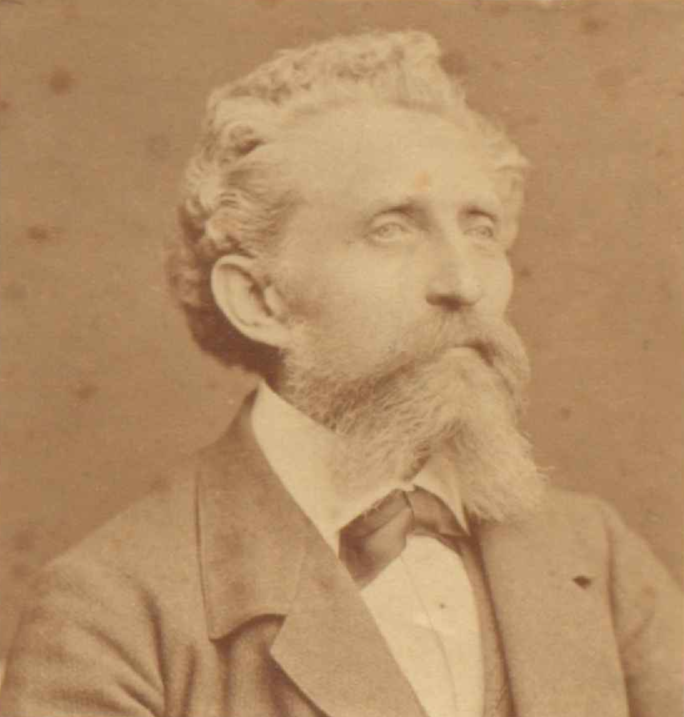
Františka Kovářová, née Prusíková, married the pharmacist Lamač soon after she was widowed. With him she had an only son, Karel, who was born on 28 January 1897 in Prague-Košíře. He died on 2 August 1952 in Hamburg, where he is buried. His mother, Františka Lamačová, née Prusíková, died at the great age of 89 on 3 September 1949 and is buried in the little churchyard in Košíře (Kotlářka). Let us now say something about Karel Lamač, who through his mother plainly belongs to our Prusík family.
Karel Lamač, a Pioneer of Czech Film
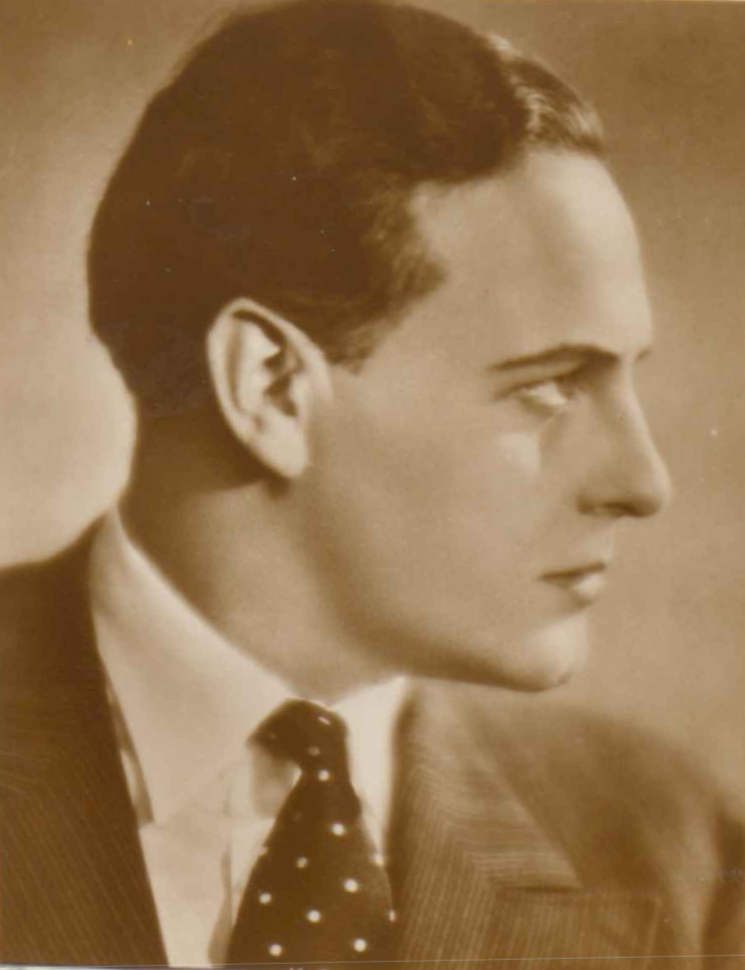
When Karel Lamač was born on 28 January 1897, the parish priest was entering him in the register at his baptism in the church in Košíře, and his father, the pharmacist Lamač, saw that there was no háček over the final letter c. He protested in a timid voice: “Forgive me, Father! A mistake! Please, there at the end of the name there must be a háček: Lamač, not Lamac!” As soon as the newborn child stood on his own feet, which was at the age of about 25, he became a film actor and then, in the course of time, a well-known Czech and later also international film director: there always had to be a háček in it! (In Czech the word also means a catch.) And not only at home, but abroad too. Abroad, of course, there was a catch in it when there was supposed to be a háček in it, for abroad they did not care much for háčeks. But Karel Lamač was consistent, and whole stories go round of how everywhere, in Germany, Austria, England, Holland, France, America, wherever the director Karel Lamač worked, he insisted on the háček on the c with a tenacity and firmness incomprehensible to foreigners. Lamač often threatened to forbid the screening if the credit was not correctly redone. The first time was in Berlin, before the screening of the comedy “Polní maršálek” (“The Field Marshal”) at the Atrium cinema. Lamač did not give way, and the háček at the end of the name had to be there. The handful of Czechs who had come from Prague for the screening were glad and gratified. Something similar happened afterwards with his name in Mexico, Paris and elsewhere. But the name Karel Lamač always shone on the white screen correctly and in full glory.
In his relatively short life Karel Lamač made over 200 films as a director. His films “Kantor Ideál” (“Schoolmaster Ideal”), “Polní maršálek”, “Bílý ráj” (“The White Paradise”), “Chyťte ho!” (“Catch Him!”), “Osudy dobrého vojáka Švejka” (“The Good Soldier Švejk”) and others are still well remembered.
Karel Lamač originally studied pharmacy and chemistry, but then film drew him away from his studies and made him famous. As a technician, chemist, optical expert and researcher in the field of film he made a number of discoveries that helped the development of world cinematography. As an inventor he will one day be remembered in the fields of photography, the gramophone and sound technology, and as a designer in the fields of the camera, the telephone and lighting technology. His friends say of Karel Lamač that he was a man who never grieved anyone. In the capitals of Europe he was known in the studios and cafés of artists, and in the offices of patent and legal experts too. He would order a suit from a Berlin tailor; in Prague he pays a debt to another; in Vienna a suit is delivered to his hotel that he ordered last year and forgot to collect, and now it is too small for him. Everywhere he has friends and everywhere creditors. Nowhere does he have peace. He does not know what concentration is. He finishes one film and falls asleep in the sleeping car over a libretto which, under his contract, he is to start filming at the terminus, and which he has not yet had time even to read the title of.
Martin Frič remembers Karel Lamač like this: “For me the Červená sedma and Eduard Bass were gods. I used to go there, and I even became a member of the cabaret. At that time
cabaret was something new, a break from the café-chantant, a new wind, rather like the avant-garde theatres today. Two years later film arrived; those were two novelties at the time. At first film always attracted swindlers, the kind who promised a shopkeeper that his little daughter would be in a film if he lent them money. Thanks to them, film had a terrible reputation. I was lucky to team up from the start with Karel Lamač, the first of the honest film-makers. That I had a real attachment to him is perhaps shown by this fact: when sound came, I gave up shooting, spent a year learning from Lamač in Paris how to cut sound film and work with the sound equipment, and only then did I go back behind the camera and begin shooting Švejk.”
So Karel Lamač is the first in our country to have introduced sound film, and he understood its technology. In the corner room of his flat in Košíře, with a view of the cemetery, Karel Lamač had a bed. On it there were heaps of books, thick dictionaries, wires, frames, pictures, unrolled films, drawings and light bulbs, and so, of course, there was little room on the couch for a broad-shouldered man with a classical profile. Lying down, Karel Lamač rested like the ancient Romans; he thought, wrote, telephoned all over Europe; lying down he settled complicated finances, ate and slept, and he always said that only lying down can a film-maker calmly endure the injustices of producers, businessmen and other rogues, with money and without.
Karel Lamač, who switched from studying pharmacy and chemistry to optics and light-current electrical engineering, was then a writer, actor, researcher, director, inventor, conjuror and magician, pianist, but above all a film-maker. He never had time to marry. Karlíček, as his companions called him, was always inventing something, but against Death he could invent nothing. He was happy with his mother, who belonged to the Prusík family. From his room above the old pharmacy he used to gaze out of the window into the “green garden” of the trees of the old Košíře churchyard, in blossom and filled with birdsong. And down below in the pharmacy his father, once an excellent singer and formerly first tenor of the National Theatre, one of the first Jeníks in The Bartered Bride, mixed potions and powders, counted out drops and weighed out doses.
Karel Lamač was returning from America to his homeland when his faithful collaborator from his youth, Anna Ondráková, called him to say that she was undertaking a film and wanted to entrust its direction to him. He was sitting at his typewriter over a half-written film comedy set in the music halls of Paris when death took him by surprise. That was on 2 August 1952 in Hamburg, and he was buried there.
His Czech name on the gravestone, with the háček on the last letter, proclaims that for everyone in this world the words hold good for ever: “By thy command thou turnest man to dust, and sayest: Return, ye children of men!”
Of the children of Josef Prusík, the shoemaker in Nebřežiny, it was thus Josef Prusík, who lived in Prague, who alone became a “gentleman”. His daughter Josefa had a worker for a husband, and so did Marie; Alžběta remained unmarried and did not live in any abundance at home; and František was a shoemaker. And the last son, Emanuel, became a foundry worker.
Emanuel Prusík, the last child of Josef Prusík in Nebřežiny, who had come there from Plasy in 1816, was born on 5 January 1832. Prince Metternich established an ironworks on his Plasy estate, and the place where it stood is still called “na verku”, at the works, today. The ironworks employed a fairly large number of people, and Emanuel Prusík became a worker there too. The products of this foundry can still be seen in the region today, especially in the churchyards. Emanuel Prusík married Barbora Šrédlová, who came from Obora near Liblín and was born there in 1825. She was thus seven years older than her husband. Emanuel and Barbora had several children, but many of them died in childhood. Only their son František and their daughter Josefa grew up. Emanuel Prusík did not have an easy life; he died on 28 March 1894 in Plasy. Although he was the youngest of the brothers, he died first. He lived all his life in Nebřežiny and lived through the disastrous flood there, from which, however, he saved himself. His wife died on 8 December 1907 in Nebřežiny.
Emanuel Prusík's son was František. He was born on 22 December 1852 in Nebřežiny and was what was called a mill hand in the chemical factory of J. D. Starck in Kaznějov. His wife was Viktorie Šístková, born in 1860 in Nebřežiny, where she died on 11 November 1932. František Prusík built himself a little house in Nebřežiny, and when there was once a strike among his workforce, the factory owner Starck pointed out how well his employees were doing, that even with a large number of children they could build themselves a fine little house. František Prusík told everyone everything frankly to their face, but at the same time he was much liked in the neighbourhood for his honesty. He died in Nebřežiny on 24 February 1923. He held his wedding in 1897, before his last child was born. Until then he had lived with his wife unwed, but very happily.
The first son of František Prusík was Jan. He was born on 26 February 1878 in Nebřežiny, at No. 35. He was a blacksmith, for a time in Kaznějov and then in Dnešice near Přeštice. His wife was Marie Mertlová, born on 3 May 1880 in Koryta near Plasy. The blacksmith Jan Prusík died in Dnešice on 8 August 1958, and his wife followed him to the grave less than a year later, on 8 July 1959. They had three children together, two sons and a daughter.
The eldest was Jaroslav, born on 14 November 1907 in Kaznějov. He was a technical officer, latterly at the Kaolin Works in Chlumčany near Dobřany. For his abilities he was given the company title of engineer. Music was a special passion of his. He was the bandmaster of an ensemble, and he also liked to follow historical and archaeological monuments. He was also well versed in the lives of all the descendants of his great-grandfather Emanuel Prusík. Sadly, he died young, at the age of 52, on 10 July 1959 in the hospital in Klatovy. The cause was lung cancer and other ailments, especially a weak heart. The wife of Jaroslav Prusík, the engineer, was Marie
Červenková, born on 10 August 1912 in Dolní Lukavice. She lives in Chlumčany near Dobřany, No. 320. Jaroslav Prusík and his wife Marie had three daughters and a son. The eldest is Jaroslava, born on 18 April 1932; her married name is Veinfurtová, and she lives at Chlumčany No. 218. She is a clerk. Her husband is Veinfurt, a technical officer at the Škoda Works. They have a little son, Jaroslav, born on 29 January 1958. The second is Libuše, born on 1 July 1937. She works as a clerk at the Restaurants and Canteens enterprise. Her husband is the clerk Ladislav Kumpa. They live in Staňkov, Nádražní 90. They have a little daughter, Libuše, born on 27 February 1954. The third daughter is Miloslava, born on 2 June 1940. She married the cook Eduard Hebeda. She herself is a clerk. They live in Plzeň, Sladkovského 67. They have two children, a little son, Eduard, born on 9 June 1961, and a little daughter, Martina, born on 19 May 1966. The last child of Jaroslav Prusík, the engineer, of Chlumčany is his son Jaroslav, born on 6 April 1951. He lives with his mother in Chlumčany.
The second child of Jan Prusík was his daughter Amalie. She was born in Dnešice on 18 June 1910, married Antonín Žemlička and moved to Chlumčany; she had two children. Her son Miroslav Žemlička is a druggist and lives at Chotěšov No. 475. He was born on 1 June 1931. He has a daughter, Věra, born on 24 February 1959, and Miroslava, born on 23 May 1964. Then Amalie also had a daughter, Iva Žemličková, born on 18 April 1948. She lives at Chlumčany No. 147. Sadly, after this child Amalie's mind began to darken, and since 1950 she has been in the care of the psychiatric hospital in Dobřany.
The last child of Jan Prusík is his son František, Vladislav Prusík. He was born on 31 January 1914 and lives in Dnešice, No. 145. He is a turner. His wife Marie is née Kadlecová, of Dnešice, born on 17 January 1919. They have two sons. Vladimír Prusík was born on 30 December 1946; he is a worker and, being married, lives at Černotín No. 36, near Dnešice. His wife is Jindřiška Kůsová, born on 8 January 1951. At the time when we are compiling this history of the family, she is the youngest wife of a Prusík in the world. František's second son is Vladislav. He was born on 17 March 1953 and lives in Dnešice with his parents. Vladimír Prusík has a little son, Vladimír, born on 29 May 1968. He is the youngest Prusík. The second child of František Prusík of Nebřežiny was his daughter Magdalena. She was born on 27 April 1880. She was a seamstress and died unmarried on 12 November 1917 in Nebřežiny.
Another child of František was Marie. She was born on 13 April 1883, and her husband was the worker Josef Skočil of Plasy. She too had a short life. She died on 14 February 1921. She left behind a son, Josef, and his fate too was a bad one. Marie Skočilová's other children died in childhood. Josef Skočil was born on 16 February 1906 in Plasy. During the Second World War he had to go to the Reich, and he died there, in Regensburg, on 24 April 1943. He left a little daughter, Květa, born on 7 March 1931. Today her married name is Soukupová, and she lives at Mladotice No. 103. She has two children, Vladimír Soukup, born on 21 December 1954, and a little daughter, Hana, born on 18 August 1959.
František Prusík's second son was František. He was born on 20 December 1885 and was a mason. He came back from the First World War as a legionary of the Czechoslovak Legion in Russia. He lived in Dnešice near Přeštice.
František Prusík was married twice. His first wife was Barbora Urbánková, born on 24 May 1889 in Nebřežiny. With her František had a little daughter, Marie, born on 7 September 1913. Her mother died only a week after the birth, on 14 September 1913. Her father went off to the war, and so her grandfather and grandmother on her father's side took her in. She came to know her daddy only after the war. Marie married Josef Kott and moved to Horní Lukavice, No. 90. They have a little daughter, Eva, born on 4 December 1946. Before he left for the war, František Prusík married for the second time. His wife was Antonie Bendová, born on 10 May 1884 in Dnešice. From this marriage a son, František, was born on 2 October 1914. He is a plumber and lives in Dnešice, No. 54. His wife is Anežka Kulišánová, born on 28 September 1915 in Lhovice near Švihov. They have three children. Their son František was born on 31 January 1946, their daughter Marie on 30 September 1950 and Anna on 4 July 1952.
The mason František Prusík was very popular in Dnešice and was truly an upright man. He died on 24 July 1959, and his wife on the same day. They ended their life's journey at their daughter's in Horní Lukavice.
Another child of František Prusík, born in 1852 in Nebřežiny, was his daughter Anna. She was born on 12 July 1888 and married a worker, the widower Václav Janouškovec, in Líté near Dolní Bělá. Her marriage was childless. She died on 28 July 1934.
František's son Jaroslav Prusík was born in Nebřežiny on 30 April 1893. He trained as a blacksmith. He married into Babina near Plasy. His wife was Anežka Smetáková, born there on 24 January 1895. Two children were born of the marriage, a son and a daughter. This marriage later failed, for various reasons. In the end Jaroslav Prusík moved away and no longer looked after the children. Alcohol, too, was a bad companion of his. He married for the second time and settled in Kynšperk nad Ohří. From there, when he had sold his little house, he moved to Pňovany near Plzeň. He died on 4 August 1966. His second wife, with whom, however, he had no more children, was Antonie Hejná, born on 27 August 1894 in Dobev near Písek. She lives at Pňovany No. 3, near Plzeň. There is a daughter from the first marriage. In his first, unhappy marriage Jaroslav Prusík had a son, Ladislav. He was born on 10 February 1920. He was a metalworker and worked at first at the Škoda Works in Plzeň. Later he married into Výrov-Hadačka, where he took as his wife a native of the place, Božena Opatová, who was born on 13 July 1922. Ladislav Prusík became a member of the collective farm (JZD) in Výrov and did up his little house nicely. He now works in Kaznějov. He has four children. He lives at Hadačka No. 38. The eldest is his daughter Jana. She was born on 16 August 1943 and today lives, under her married name Svobodová, at Horní Bříza No. 117. She has two children: a little son, Jaromír, born on 15 May 1961, and a daughter, Jana, born on 11 June 1962. The second daughter of Ladislav Prusík of Výrov, a native of Babina, is Jaroslava. Her husband is Oldřich Klinkovský, a technician with the Spoje, the post and telecommunications service. They have a little daughter, Ivetta. Jaroslava Prusíková, married name Klinkovská, was born on 14 November 1945 and her daughter on 25 December 1964. They live in Prague 10, Na Hroudě 2121. Ladislav's elder son is named Ladislav after his father. He was born on 28 May 1948 and is a worker. The second, Josef Prusík, born on 8 January 1953, lives in Výrov with his parents. Both are singers and have often performed with various ensembles.
The second child of Jaroslav Prusík of Babina near Plasy was his daughter Blažena. She was born on 7 March 1922. Her husband was Jaroslav Beneš, a worker at the Škoda Works. They live at Babina No. 34. Blažena Prusíková, married name Benešová, has a daughter, Hana, born on 19 August 1946. Hana now has the married name Spěváková and has a little son, Pavel, born on 6 August 1967.
The last daughter of František Prusík of Nebřežiny was Josefa. She was born on 19 September 1895 and stayed on in the little house her father had built in Nebřežiny. She married a bright and good-hearted man, the miner Emanuel Benda. They had several children together, of whom three grew up. After her husband's death Josefa Bendová, née Prusíková, lived with her daughter in Bochov. She was a cheerful and very hard-working woman. She died on 21 February 1968.
Her eldest child is her daughter Emilie. She was born on 22 February 1920 and married the worker Václav Rambousek. This marriage had its disharmonies at times; it ended in divorce, and then, for the children's sake, the divorced couple married each other again. Their son Václav, born on 25 March 1940, works in the mining industry and lives in Nýřany near Plzeň, Nové sídliště, No. 392. He has two little sons, Milan, born on 22 June 1959, and Ivo Rambousek, born on 9 June 1962. Emilie Rambousková's second son is Miloslav. He was born on 19 August 1943. He lives with his mother at Bochov No. 181. Emilie Rambousková grew up in poor circumstances, but she has considerable intelligence. She likes to write poems, and writes them well.
The second daughter of Josefa Bendová, née Prusíková, was her daughter Viktorie. She was born on 31 December 1921 and married the worker Antonín Krist of Kaznějov. They live there at No. 221. Her husband works in the industry there and is a very active trade-union official. They have two children. Jiří was born on 2 October 1945 and Naděžda on 12 August 1947. Jiří works and lives in Mladá Boleslav. The third child is Josef Benda. He was born on 16 March 1925. He works and lives in Cheb, Palackého 19. He has two children, a son, Milan, born on 25 January 1948, and a daughter, Jitka, born on 3 February 1955.
The last child of František Prusík of Nebřežiny was his son Antonín. At the time when we are writing this history of the family, he is also the last of František's children still living. None of his brothers and sisters is alive any more. Antonín Prusík was born on 1 June 1898. He worked in Kaznějov and in Horní Bříza, and from 1946 to 1956 he was at the district national committee (ONV) in Sokolov. His wife is Anežka Vopatová, born on 8 June 1898 in Rybnice. There, at No. 92, the couple now live in retirement. Antonín Prusík had two daughters. Vlasta was born on 22 March 1922 and married Jaroslav Šebek. They live in Sokolov, Karla Marxe 1610/11. Vlasta Šebková, née Prusíková, has a daughter, Jarmila, born on 24 November 1944. Jarmila now has the married name Lechnerová and lives in Chodov near Karlovy Vary, Říjnová 632. She has a little daughter, Jarmila, born on 9 February 1964. Vlasta also has a son, Jiří Šebek, born on 3 May 1948.
The second daughter of Antonín Prusík is Irena. She was born on 8 October 1932 and today lives in Sokolov, Jednoty 1494. Her husband was Jaroslav Červený, who has since died. With him she had two children, Eva, born on 26 September 1951, and Jiří, born on 22 June 1953. With her partner Červíček she also has twins, Irena and Jana, born on 16 February 1965. These children bear their father's name.
Besides his son František, the foundry worker Emanuel Prusík also had a daughter, Jana [sic; the account of Emanuel above names his surviving daughter Josefa, so one of the two names is wrong], who grew up. She was born in Nebřežiny in 1864 and married the miner Josef Telín. They lived in Nebřežiny, but in other places too; both of them, however, died in Nebřežiny. Jana Telínová, née Prusíková, died in Nebřežiny at the very beginning of the First World War, on 29 September 1914. They had an only daughter, born in 1893 in Most. Anna Telínová died unmarried in 1937 in Nebřežiny.
This completes the account of the life and fortunes of all the descendants of Emanuel Prusík of Nebřežiny, whose father was a native of Plasy and later a settler in Nebřežiny, the shoemaker Josef Prusík. These descendants are mostly members of the working class.
A Few Last Words on the Nebřežiny Branch
You have now read about the people of our blood who belong to the branch called Nebřežiny. This village itself had long been a home of poorer people. There were few farms here, and not many smaller farmers either. The Plasy monastery had a house here, and in it, in 1813, died Celestýn Werner, the last abbot of the dissolved monastery. The Prusík family settled here only a very few years after his death. At first Josef Prusík lived in the little house No. 3; later his descendants lived in several other little houses in Nebřežiny as well. All but one were carried away by the flood of 1872.
Several members of the family from this branch also live abroad, in Germany. The livelihood of the first members was relatively meagre, but nevertheless some of them rose above the average. These were, for example, the basket maker Karel Prusík in Plasy, the engineer Jaroslav Prusík in Chlumčany, and also Karel Lamač, the grandson of Josef Prusík who settled in Prague, a film actor and director of world renown.
This branch does not have very many members. Up to the present day it numbers 164 people, and of these 38 are no longer living. There are 46 people in this branch today with names other than Prusík and Prusíková.
On the next page we attach, as usual, a list of all those who were born in this branch with the name Prusík or Prusíková, and where you can read more about them, and also, for interest's sake, the names of all those who no longer bear the family's basic name but belong to it by blood.