Prologue
Translated from the Czech by Claude, an AI model by Anthropic, in 2026.
Motto
Life
Be absolute for death; either death or life
Shall thereby be the sweeter. Reason thus with life:
If I do lose thee, I do lose a thing
That none but fools would keep: a breath thou art,
Servile to all the skyey influences,
That dost this habitation, where thou keep'st,
Hourly afflict: merely, thou art death's fool;
For him thou labour'st by thy flight to shun
And yet runn'st toward him still.
William Shakespeare
Homeland
Above all else I cherish true human happiness,
which one must grant to all alike.
I cherish the stones and the fresh young branches,
above all else I love my native land.
Above all else I love my little village.
Every man has one, wherever he may be from.
To let it be torn from you by someone hurts terribly.
To live without a homeland is to live worse than a dog.
Small nations, the smallest and the great,
we all have the same duties and the same rights,
written by the stern finger of the wind upon the waters,
upon the banners of the states that mankind waves:
the right to decide, in the name of the majority,
in our native tongue and in our native land,
on what is loved alike by all,
on the happiness and the destinies of our fatherland.
Vítězslav Nezval
The Cradle of the Family
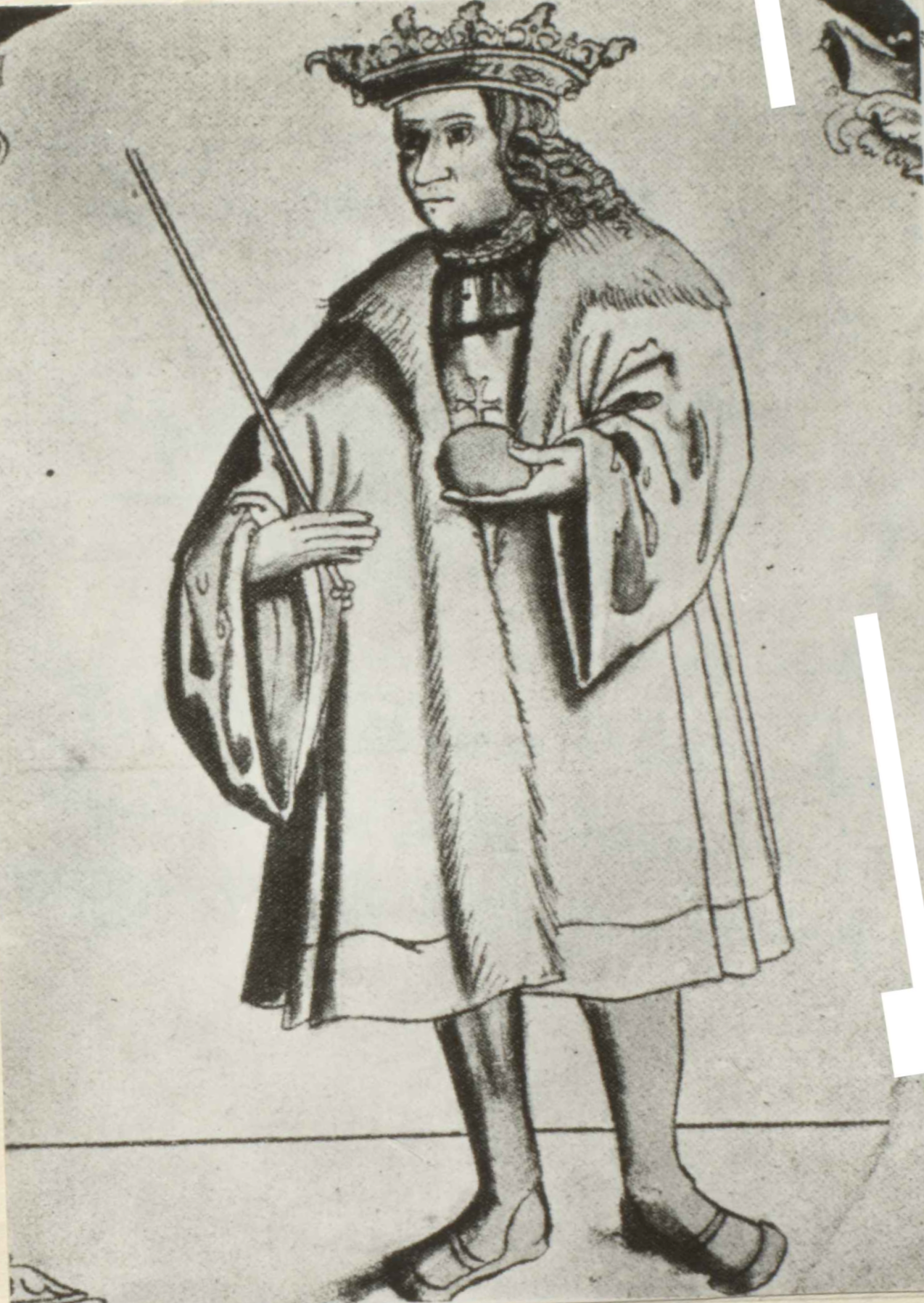
It is the beginning of the sixteenth century; the year is 1515. In France, King Francis I, who will later invite Leonardo da Vinci to his court, is ascending the throne. In England the great despot Henry VIII is king. In Spain, in the days of the great Inquisition, Emperor Charles I rules. And in Russia the father of Ivan the Terrible, Vasili III, is tightening his sovereign hold. In Bohemia the reign of Vladislaus Jagiellon is slowly drawing to its close.
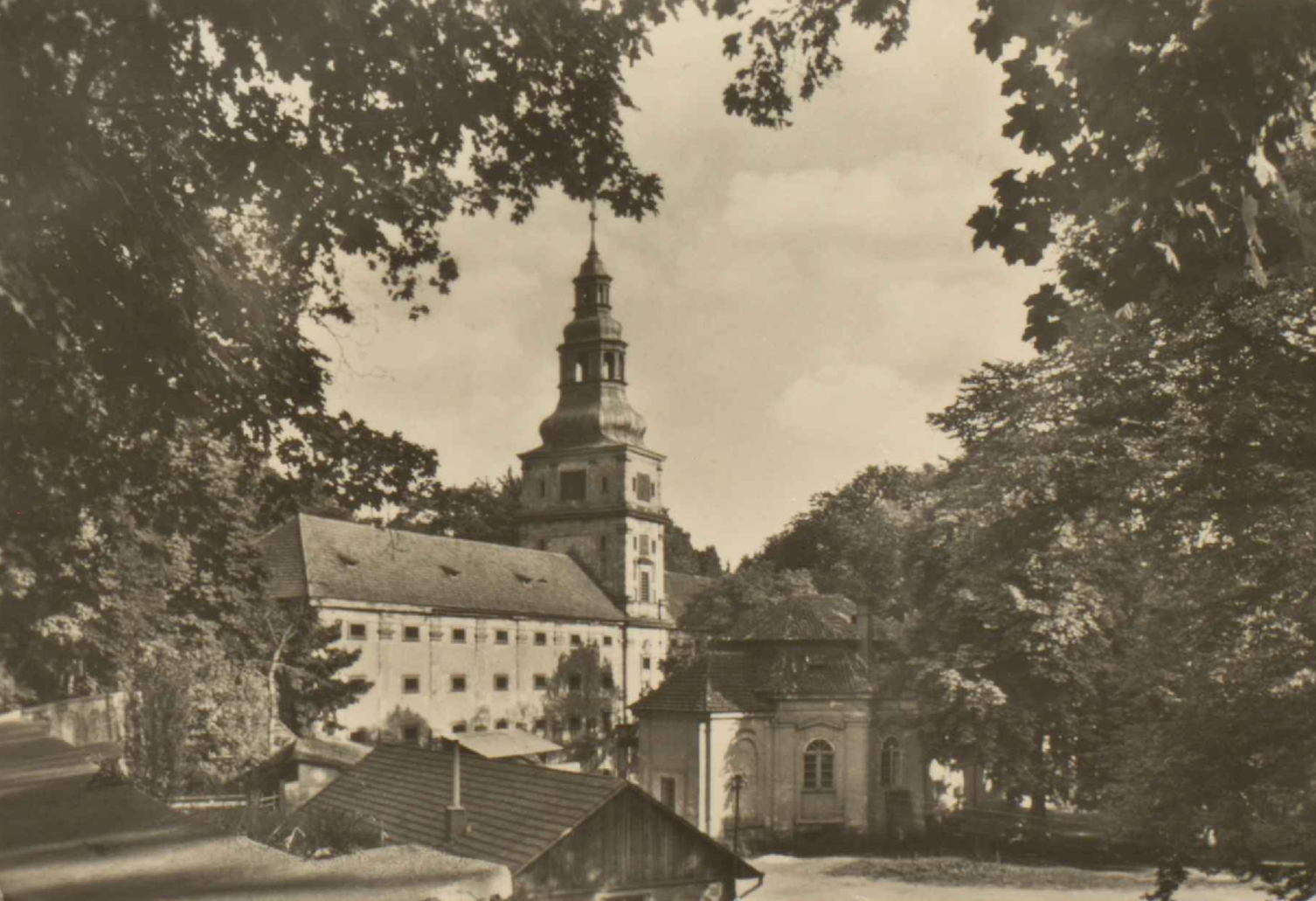
In a small West Bohemian village that the country people call Sedlice, our first known ancestor, Vojtěch Prusík, is born. The village of Sedlec, as it is officially called, lies north of Plzeň, close to ancient Plasy. It is first mentioned in history in 1193. At that time it was the property of the lesser nobleman Humpolt of Potvorov, who bequeathed it to the monastery at Plasy. Sedlec did not remain long in the hands of the Plasy Cistercians, however, for in 1250 it no longer appears in the inventory of the Plasy monastery's property; instead the village is held by the lords of the Hrabišic family, some of whom were in the direct service of the dukes.
During the regency of Otto of Brandenburg, in 1281, Kojata and Všebor of the Hrabišic family gave this little village to the monastery of the Canons of the Holy Sepulchre at Zderaz in Prague. For about 120 years the village of Sedlec belonged to this monastery, which was destroyed in the Hussite upheavals. From 1421 the owner of Sedlec was Hanuš Kolovrat of Krašov, and after him, until 1485, a Kolovrat whose Christian name was Albrecht. After 1485, and until 1529, the village was owned by Jetřich Bezdružický of Kolovraty. From that year the owner was Mikuláš Sviták of Landštejn, then his brother Vilém, and after him Kateřina Svitáková of Solopysk.
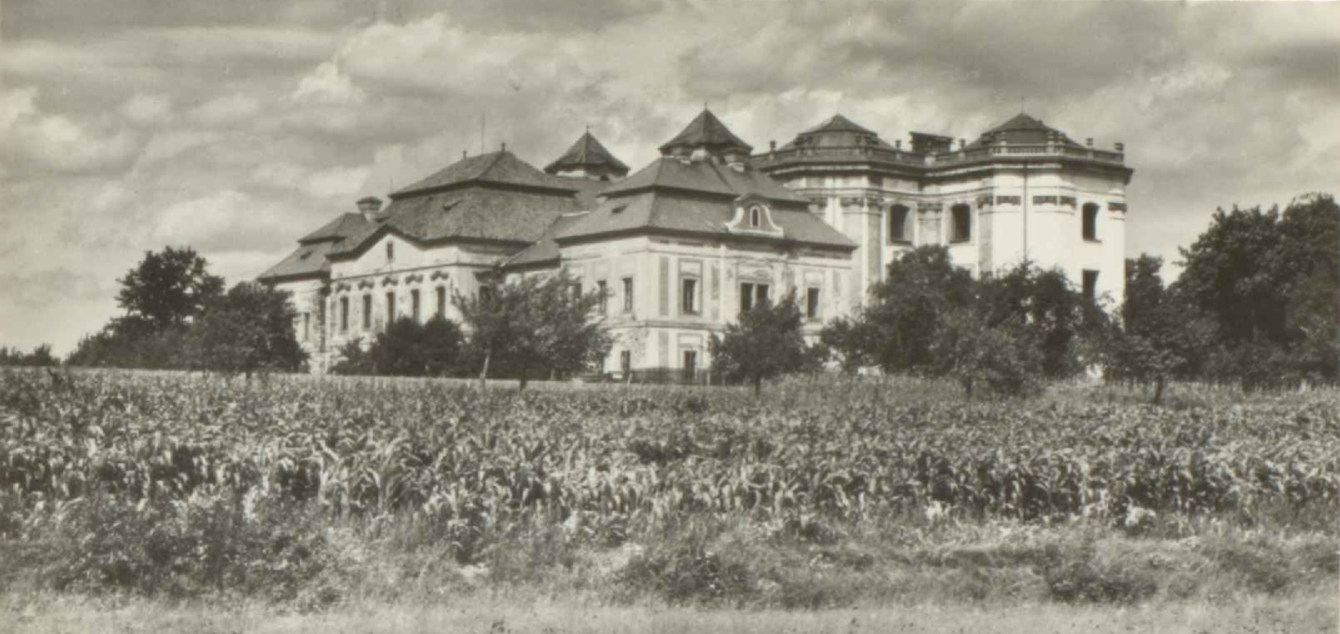
From 1546 the ancestral seat of our family was held by the Gryspeks. It is under this family that we learn most about our ancestors. The first owner was Florián Gryspek of Gryspach, secretary to Emperor Ferdinand I. Florián built a magnificent Renaissance chateau at Kaceřov and, when he was not in Prague at court or abroad on an official mission, he liked best to live at Kaceřov. Gryspek, a German from the Tyrol by origin, was not well liked among the Czech nobility, but the common people were fond of him. According to historical testimony, the subjects fared relatively well under the Gryspeks. The urbarium that he drew up in 1558 to keep his estate in order mentions our ancestor Vojtěch Prusík.
After the Battle of White Mountain, in 1623, all the Gryspek property was confiscated and handed over to the monastery at Plasy. Sedlec remained in the possession of this powerful monastery until its dissolution by Emperor Joseph II in 1785.
In 1826 Prince Klemens von Metternich bought the Plasy estate, and with it the subjects of Sedlec, from the Religious Fund.
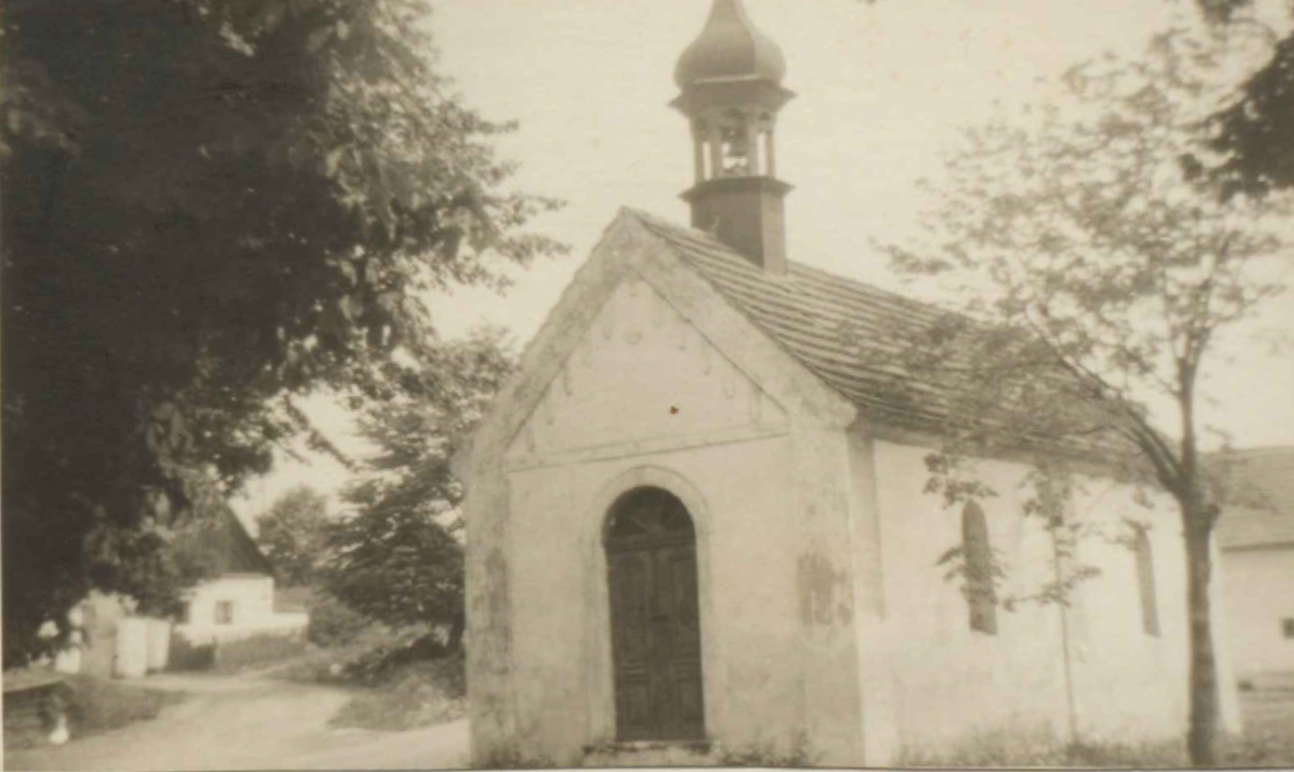
In the western part of the village, which belongs to the parish of Potvorov, there is a homestead that until 1805 bore the number 9. From that year to this day it has been No. 4. Our family lived on this holding from time immemorial, and demonstrably from 1515.
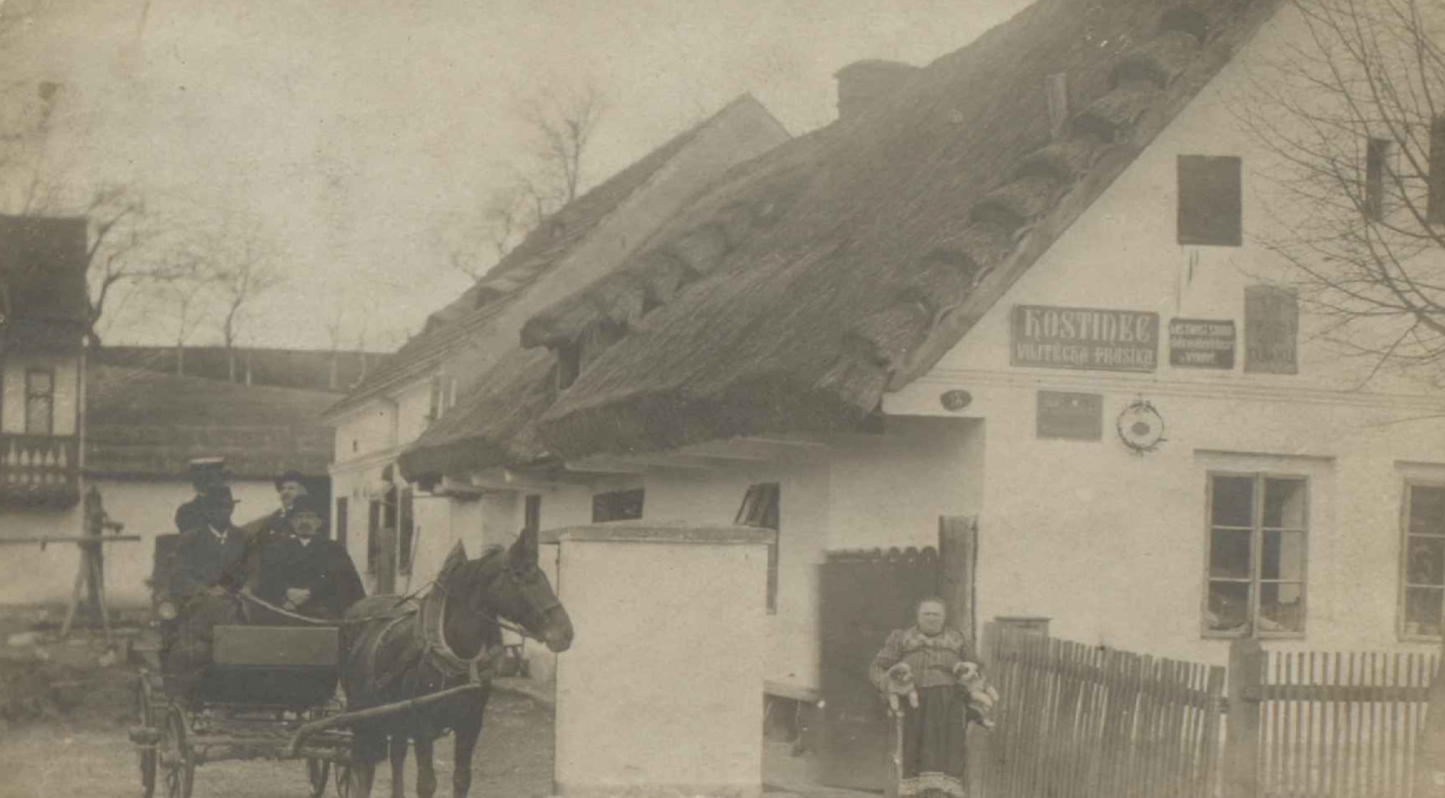
Holding No. 4 in Sedlec originally had 2 lány of land, that is, about 40 hectares in today's measure. The garden did not adjoin the farm but lay opposite it, across the road. Our family died out in the male line on this ancestral seat on 14 June 1846, yet even today, after so many years, the place is still called “U Prusíků”, “at the Prusíks'”. Tradition truly has deep roots. The Prusík family lives on in other villages, regions and countries.
Sedlec lies amid fields and meadows; there are no woods near the village. That is probably why the place has been settled since the earliest times, for its land was brought under cultivation long ago. When the Prusíks first came to this village is not known. There are only legends about the origin of our name, handed down by word of mouth in the family from generation to generation.
In 1039, amid the turmoil that followed the death of Bolesław the Brave in Poland, the Czech Duke Bretislaus I invaded that country. He took many towns, among them the fortified town of Gdecz. From Gniezno he brought the relics of St Adalbert back to Bohemia. Besides great booty he also brought home a considerable number of captives, to whom, however, he later gave full rights, settling them in various parts of West Bohemia, especially in the Kralovice area.
Here lie the villages of Hedčany and Hedečko, the remnants of the former great Hedčany district. Under King Wenceslaus I the district broke up, and the free descendants of the Poles and the Prussians dispersed across the region. Perhaps our ancestor was one of them. Another origin of our name and family is also possible, but we do have some connection with the former Prussians of the Baltic. Since people began to be called by fixed surnames about 80 years before Vojtěch Prusík was born, that is, in the middle of the 15th century, it is also possible that one of our ancestors went campaigning in Poland and pagan Prussia and on his return was given the name Prusík. There were many such Czech military expeditions in history. St Adalbert was already at work in Prussia in the 10th century; later Czechs were in Prussia under King Ottokar II and John of Luxembourg, and again in the 15th century, in the Hussite era. After all, Jan Čapek of Sány, whose retinue included the captain Jan of Kralovice, stepped right into the waters of the Baltic in 1433, and from there he and his companions brought sea water home as a keepsake. As to how we came by our name, this explanation too may be plausible. Closest to the truth, however, will probably be that our ancestors, even before the 16th century, 1000 years ago, lived near Prussia, in what is today northern Poland. But more of that later. Our first ancestor's name is written just as we write ours today, but over the centuries our forebears were often written as Prusyk and Prussik as well. Today everyone in our country writes it Prusík, with the acute accent, and abroad with a plain dotted i. Only one member of the family in our history changed his name, to Prusek. He lives in the USA.
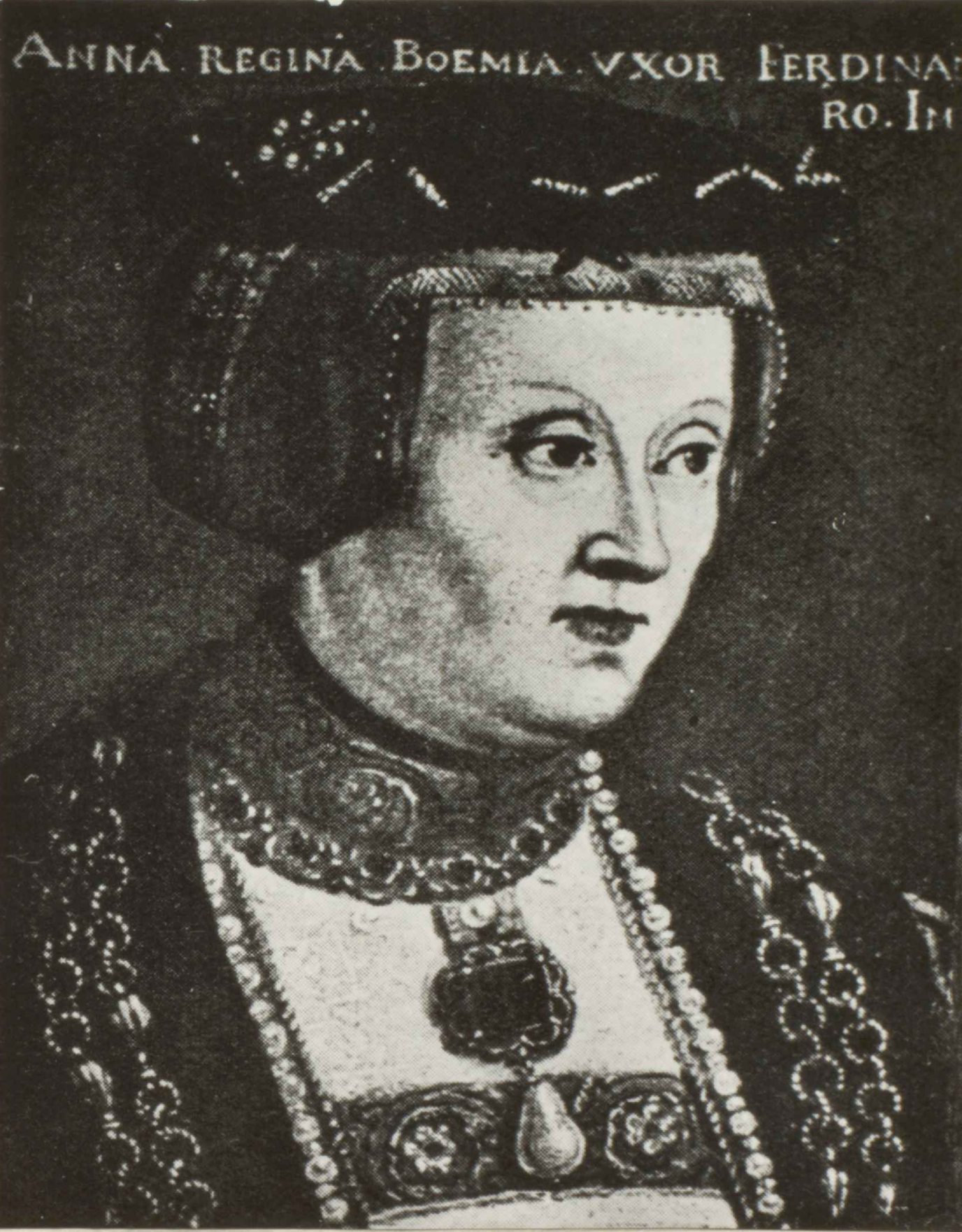
In the first half of the 16th century there were 8 “settled” householders in Sedlec. Their names were Havel Levý, Vaněk Bureš, Mika Jakeš, Jan Polívka, Blažej Jánský, Šimon Brož, Jan Bavor and the biggest farmer, Vojtěch Prusík. Altogether these homesteaders then held 10 lány of land. Each lán owed dues of two hens and ten eggs, one kopa and eight groschen on St George's Day, and one kopa and six groschen on St Gall's Day. Šimon Bureš had a large garden and therefore paid twenty groschen more for it each half-year. In all, the homesteaders of Sedlec paid the Gryspeks at Kaceřov Chateau eleven kopy and forty groschen of St George's Day rent, 11 kopy and twenty groschen of St Gall's Day rent, twenty rent hens, and one threescore and forty eggs at Easter.
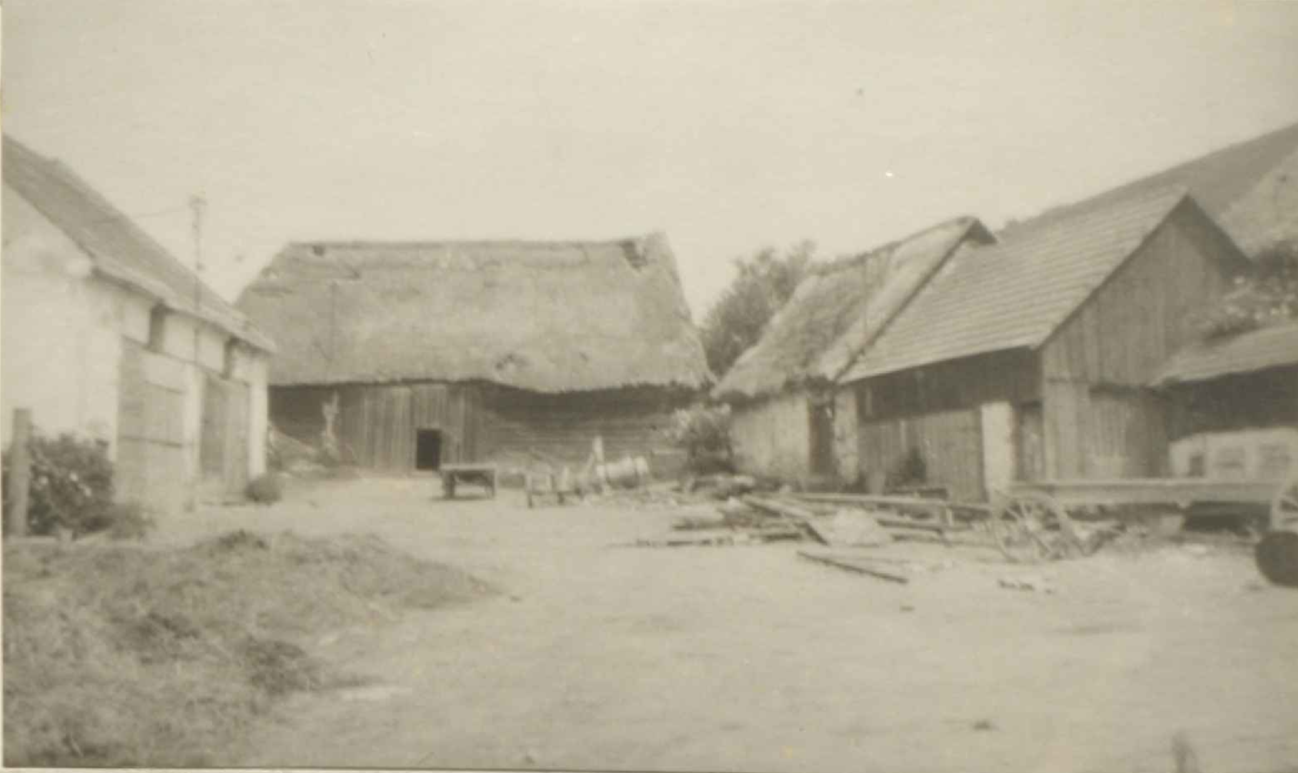
The Prusík homestead was relatively large, and as late as 1962 an ancient wooden barn still stood by the farm, built not long after the Thirty Years' War. No. 4 in Sedlec near Potvorov is the oldest known cradle of our family. A great many members of the family no longer know anything at all of this ancestral seat of theirs, nor of their distant forebears who were born here, went out from here into the world and founded the branches of the family, and whose descendants then lived, and still live, in other corners of our homeland, and far away abroad and overseas. In this account we shall shed light on those distant times and on the people to whom we belong by blood as their descendants.
Bad times and good have passed over our land, generation has followed generation, and our family has lived through a great many different fortunes. We therefore begin the history of the Prusíks with our first historically established ancestor, the farmer Vojtěch Prusík of Sedlec.
The common ancestor of us all, Vojtěch Prusík, was born in 1515, a year before the death of King Vladislaus Jagiellon. Of his father nothing is known to us. Vojtěch farmed mostly under the Gryspeks, and as reeve he often had to appear at Kaceřov Chateau. There he delivered the dues for the tenure of all the homesteads in the village, but at that time no one performed corvée. The obligations consisted only of payments and were precisely laid down in the Kaceřov urbarium, which was written in June and completed on the Sunday after Trinity in 1558. Vojtěch's wife was Voršila Rajská, but where she came from and when she died could not be established. Of his children only his son Mikuláš, the heir to the holding, is known. Vojtěch Prusík, something of a legendary figure in our family, died in Sedlec in 1580.
Vojtěch's son, Mikuláš Prusík, was born in 1550. He was probably named after the patron of the church of St Nicholas (in Czech, Mikuláš) in Potvorov, where he was baptised, like all our ancestors before and after him who lived in Sedlec. Mikuláš died at the beginning of the Thirty Years' War, in 1625. He farmed the holding in the time of Emperor Rudolf II.
Mikuláš's son was Václav Prusík. He was born in 1580 and, according to the urbarium of the monastery at Plasy, he was farming the ancestral seat of our family in 1623, in the hard times that followed White Mountain. In old documents he is written as Prusyk, although his grandfather Vojtěch, the first Prusík, is written correctly, as are most of the later members of the family. Václav died in 1640, before the end of the Thirty Years' War. Of his children, two sons are known. The elder was Jakub; Bartoloměj was a year younger.
Jakub Prusík received the family holding. He was born in 1601, and his wife was Anna, born in 1603, who outlived her husband by one year. According to the Register of Subjects by Faith of 1651, Sedlec had 32 inhabitants. Some of the holdings left deserted by the Thirty Years' War had been resettled, but the Prusík holding, it seems, had not been badly damaged. Jakub had three sons and one daughter. The eldest was Matouš, who was born in 1628. In 1650 he married into the Rejček family in Bílov, and he lived until 1696. He left no descendants bearing the name Prusík. Jakub Prusík died in 1672. Jakub Prusík's wife Anna, born in 1605, was née Hynková, from Bílov near Kralovice.
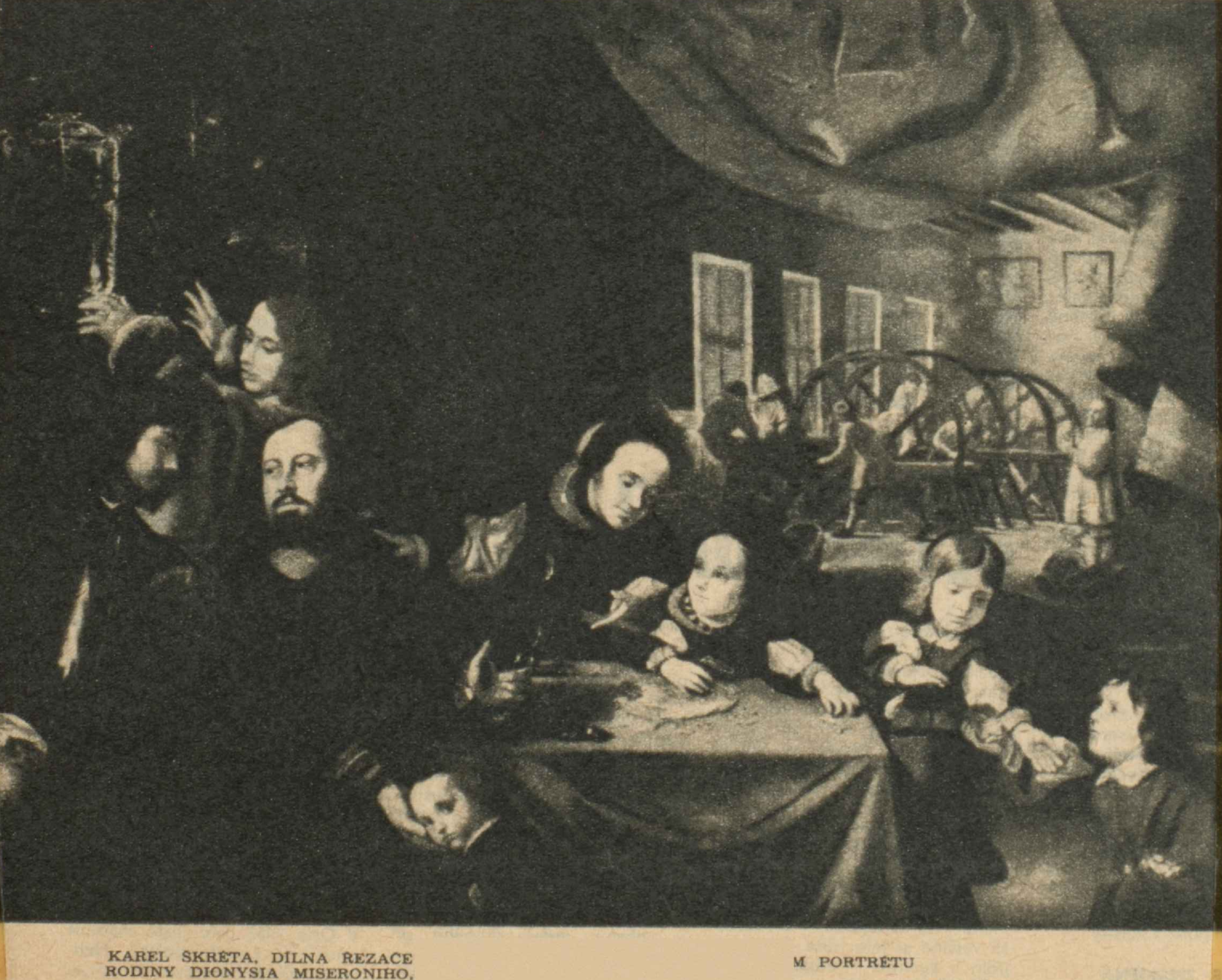
Jakub's second son was Václav Prusík. He was born two years later, in 1630, became a blacksmith and settled in Bílov. According to history he was a very strong man who often defended the interests of the common people in various clashes with the lords, and one such confrontation finally proved fatal to him. For several years the inhabitants of Lednice had been in dispute over meadows with the nobleman Norbert Miseroni, who owned Krašov Castle. When these disputes came to a head, the people of Lednice called on the blacksmith Václav Prusík for help, and in the fray Václav was shot dead by this tyrannical nobleman on 11 April 1673. A few years later, in 1680, a general peasant revolt broke out, led by Jiří Radim from Dřevec. Václav's wife was Barbora, who outlived him by many years and died in Mladotice. He left no descendants bearing our name. Barbora was née Juhová, from Bílov.
Jakub's third son was Martin Prusík, who stayed on the family holding. He was the common ancestor of all the Prusíks living in the world today, except for those who live in Poland.
The sister of these three brothers was Anna Prusíková, who was born in 1647 and married into the Kyml, that is the Koukl, family in Bílov. She died there in 1738.
The father of these four children, Jakub Prusík, died in Sedlec in 1672, and his wife Anna a year later.
Jakub's brother Bartoloměj Prusík was destined by fate for an eventful life. He was born in Sedlec in 1602 and, at the age of 24, in 1626, he married the young widow of Pavel Radim, who had been killed while felling trees, and came to live on her holding in Dřevec. It was a fine holding, with two lány and a decent farmhouse. Fifty years later this homestead was the home of Jiří Chlupsa, called Radim, the leader of the peasant revolt. But Bartoloměj and his wife did not live long in Dřevec. When in 1627, under Emperor Ferdinand II, it was proclaimed that everyone must become a Catholic, many Protestants and Bohemian Brethren left Bohemia. In Dřevec too, one autumn day of that fateful year, the Radim holding was left deserted, and for long centuries nobody heard anything more of Bartoloměj Prusík and his wife. After 340 years, by winding paths across the world, his trace was found in Poland. When I was searching for all the Prusíks in the world, I found one Matěj Prusík, who worked as a biologist at the university in New Brunswick in the state of New Jersey, near New York. He is of Polish origin, and when his ancestors were traced in Poland, a great surprise came to light. His distant ancestor, like that of the other Prusíks in Poland, is the exile Bartoloměj Prusík. After an arduous journey through Saxony, Bartoloměj made his way as far as Ostrów Mazowiecka, north-east of Warsaw, and died there in 1670, the year in which John Amos Comenius ended his life's pilgrimage in exile.
In the first half of the 17th century Prusíks lived only in Sedlec, and the exile Bartoloměj Prusík with his descendants in Poland. Nowhere else did this family exist at that time. It then spread further in Poland and in Bohemia, multiplied in Sedlec and from there moved on to other places. Later it also went abroad, to countries other than Poland.
Bartoloměj's nephew and Jakub Prusík's son, Martin Prusík, who remained on the holding in Sedlec, was born in the middle of the Thirty Years' War, in 1633. Hard times came to this village as they did everywhere, and four farms were burned here at that time. But our family holding, the original cradle of the family, fell victim neither to fire nor to the destructive forces of war.
Martin Prusík took over the farm after the death of his mother Anna, who died at the beginning of 1673. The handover took place on 23 February 1673 at Plasy. Martin took as his wife Ludmila Burdová from Potvorov, who was born there in 1656. Martin lived through not only the turbulent times of the Thirty Years' War but also the peasant revolt in the Kralovice area in 1680. Only three of his children reached adulthood, a daughter and two sons. Kateřina was born in 1664, so that Jakub and Anna were still able to enjoy their grandchild for several years. She later married Bernard Kymel (Koukl) in nearby Bílov. She died there on 2 June 1744, at the age of 80. Martin and Ludmila's sons were born only after the death of their grandfather Jakub and grandmother Anna. The elder was Václav, born in 1678, and the younger was Martin, named after his father, born in 1680. Martin Prusík lived in retirement on the farm for 10 years. His wife preceded him to the grave by two years; she died on 7 January 1721. Martin died at the patriarchal age of 90, on 13 August 1723.
Martin's eldest son, Václav Prusík, was destined for an occupation other than farming. He was born in 1678 and, at the age of 22, went to Plasy, where he later became an innkeeper. In 1713 he became the first Prusík to marry a German woman, Sabina Kirchgangová, the daughter of the monastery blacksmith. Many of his later descendants distinguished themselves in various ways and became the founders of several branches of the family. Václav Prusík died in Nebřežiny near Plasy on 28 November 1728.
The younger son, Martin Prusík, was born in Sedlec in 1680. On 17 October 1702 he married Anna Slachová from Bílov, who was eight years older than he. On 14 March 1713 he took over the holding. When his wife died on 27 April 1722, he married a second time, on 4 August of the same year, taking the daughter of the Sedlec blacksmith, Anna Janečková. The children of his who reached adulthood were all from his first marriage; those born of the second marriage died early. Martin had three daughters and one son. Anna was born on 3 April 1704 and later married into the Masopust family in the nearby village of Bukovina. Another daughter, Eva, was born on 7 March 1718 and married into the Hrdík family in Potvorov. The third, Veronika, born in 1720, married among her mother's relatives, into the Slach family in Bílov. Martin Prusík was the village reeve. He had several other sons, Vít, Kašpar and Matěj, but the boys died young. Only Adam survived. Martin Prusík died in Sedlec in 1737, towards the end of the harvest, on 19 August. He thus fell far short of his father's age. Like his forebears, he was buried in the little churchyard of the ancient Romanesque church of St Nicholas in Potvorov.
Adam Prusík, Martin's only son, was born in Sedlec on 14 February 1715. This was in the reign of Emperor Charles VI, the father of Empress Maria Theresa. He took over the family holding only 10 years after his father's death, on 21 March 1747. Adam farmed his native holding for only 12 years. He took as his wife Barbora Benešová, who was born in the same year as he, in Trojany. Trojany was then still a young village, recently founded by the Plasy abbot Ondřej Trojer. Adam and Barbora had many children together, but few of them grew up, as was usual in those days. Klára was born to them on 29 July 1747 and was later married into the Valenta family in Výrov. Almost 200 years later another woman of the Prusík family married there, namely Veronika, born in 1861 in Výrov near Kralovice. The second, Kateřina, was born on 1 October 1753 and later lived in Bílov under her married name, Bušková. Barbora was born on 6 May 1756 and while still young married into the Janeček family in Hodyně. Years later Matěj Prusík from Výrov settled in the house where she had lived. Adam had two sons. Martin Prusík was the younger, but he did not stay at home.
Martin Prusík was born on 9 January 1745 and was trained as a mason. Because he had an uncle in Plasy, Václav Prusík the innkeeper, he succeeded
in establishing a good livelihood for himself in the seat of the famous monastery. He became a prominent builder and a respected “pantáta”, a paterfamilias, of Plasy. His wife was Kateřina Kaplánková from Radnice, and he had three sons and two daughters with her. All three sons became the founders of family branches, one of which has by now died out completely. The builder Martin Prusík died at Plasy on 30 October 1822.
The second son was Blažej Prusík, who stayed on the holding. His father Adam died younger than any other of our ancestors. He was only 44 when he took leave of life on 20 February 1759. His wife Barbora then married, in 1762, Josef Babor, who acquired the nickname “Prusík” and was even entered under it in the land registers. Barbora outlived her first husband Adam by 37 years; she died on 14 June 1796. Blažej was born in Sedlec on 1 February 1742. When he was 34, the family holding was handed over to him. This happened towards the end of the reign of Empress Maria Theresa, on 12 March 1776. Blažej found his bride in the Sinkul family at Babina near Plasy. His Kateřina was born there in 1743. Like his father Adam, Blažej was the reeve in Sedlec. He farmed the same acreage as his forebears, and the Prusík holding was still the largest in the village. Blažej and Kateřina had a number of children, but most of them died: Jan and Jiří, Anna and Kateřina. Only their daughter Barbora reached adulthood. She was born on 27 March 1769 and married into the Kouba family in Bílov. Then two sons were born to them. These two later founded the two strongest branches of the family. The eldest son was Vojtěch, the second Václav. The reeve Blažej Prusík farmed until 6 July 1808, when he handed the holding over to his son Václav. His brother Vojtěch married into Výrov. The brothers saw a great deal of each other, and so at that time there was the closest of friendships between Výrov and Sedlec. Blažej lived on in retirement on the farm for more than 15 years and outlived his wife Kateřina by 11 years. Kateřina died on 21 August 1812, and Blažej went to his eternal rest on 27 March 1823. He died, as the parish register records, of convulsions, but he reached what was for those times the fine age of 81.
The penultimate holder of the holding in Sedlec was Blažej's younger son, Václav Prusík. He was born on 19 September 1786, in the reign of Emperor Joseph II. He married young, on 8 October 1803, taking Rosálie Fenclová from Výrov, on the same day as his brother Vojtěch married Rosálie's elder sister, Anna. When he married he was a little over 17, and his bride was younger still. She was born in 1788, so she was only 15. Both bride and groom needed their parents' permission to marry. When Václav was 22, the holding was handed over to him. This took place on 6 July 1808. Václav was the reeve in Sedlec and became the founder of the family branch known as “Sedlec”. The marriage produced six children who reached adulthood or at least lived to the age of 10. His little son Jan died at the age of seven. Václav Prusík died on 7 February 1845, and his wife Rosálie long outlived him, for she ended her life's journey only on 26 December 1871.
Václav's eldest son was Vojtěch Prusík. He was born on 30 March 1810, but his youngest brother František was chosen to succeed to the holding. Vojtěch therefore sought to settle elsewhere. He married Barbora Kozová of Potvorov No. 19, who had been born there in 1812. He lived there for several years until, with the help of his own parents and his wife's, he finally managed to buy a fine farm in Chrašťovice, at the place known as “U Šliků”. Vojtěch Prusík is the founder of the “Chrašťovice” sub-branch of the Sedlec branch. His wife Barbora died in Chrašťovice, at No. 18, shortly before Christmas, on 18 December 1876, and six years after her Vojtěch died on his homestead, on 27 January 1882.
Václav's second son was Tomáš Prusík. He was born on 1 December 1822. He found his life's companion in Potvorov. Her name was Rosálie Šimandlová, and she was born there on 20 May 1829. For some time they lived together in Potvorov; later they found their home in Šípy near Čistá. There they bought homestead No. 5. Tomáš is the founder of the sub-branch of the Sedlec branch known as “Šípy”. Tomáš died at the age of 40, on 14 June 1862, in Šípy, and his wife, who had remarried, to Vojtěch Loos, died on 21 October 1884.
The third son was František Prusík. He was born in Sedlec on 6 July 1825. He married Barbora Fromková from Chrašťovice, who was born there on 17 June 1827. When the family holding was being handed over to him on 15 July 1845, he surely had no idea that he would be the last Prusík farmer on the ancestral seat of his family. On 8 December 1845 a little daughter, Marie, was born to them, but she was also their first and last child. The young couple's happiness did not last long, for František Prusík died of pneumonia at the young age of 21, on 14 June 1846. František is the founder of the “Sedlec” sub-branch of the Sedlec branch.
František Prusík's orphaned daughter Marie went on living with her mother on the farm, and half of the holding was entered in her name in the registers. She was to have two stepfathers. Her mother, the young widow Barbora Prusíková, married a second time three years later, in 1849, taking František Pittner, and in 1857 a third time, taking Antonín Urban, whose family then lived on the “U Prusíků” holding for almost 100 years. In 1952 the last Urban was banished to the border region as a “kulak”. Barbora Urbanová died of tuberculosis in Kralovice on 9 August 1898.
Marie Prusíková is the last member of the family bearing this name on the holding in Sedlec. On 22 April 1867 she married Vojtěch Čech and went to live in Chrašťovice. On that occasion she was paid out 3,000 gulden, and our name was struck from the registers of the village of Sedlec, where it had stood for so many centuries. Nowhere else have the Prusíks remained in one house as long as in Sedlec. Our name was on this holding, demonstrably, for 352 years. In all probability, however, Prusíks lived here much longer.
Besides the three sons of whom we have told, Václav Prusík had three daughters as well. Kateřina was born on 5 October 1812 and married František Koukl in Bílov No. 8, where two women of our family had already married before her. Kateřina died in Bílov on 18 May 1871 and is the founder of the “Bílov” sub-branch of the Sedlec branch.
The second daughter, Barbora, was born on 28 September 1816 and on 17 November 1840 married Vojtěch Levý of Sedlec No. 11. The marriage remained childless. So that the house should not pass into strangers' hands, she took in her nephew Martin Koukl from Bílov as a foster son. He later took over the Levý holding. Barbora died in Sedlec on 11 November 1887.
The third daughter was Marie, who was born in 1836 and died a year after her father Václav, in the same year as the last farmer on the holding, her brother František, in 1846. The year 1846 was thus a fateful one for our family.
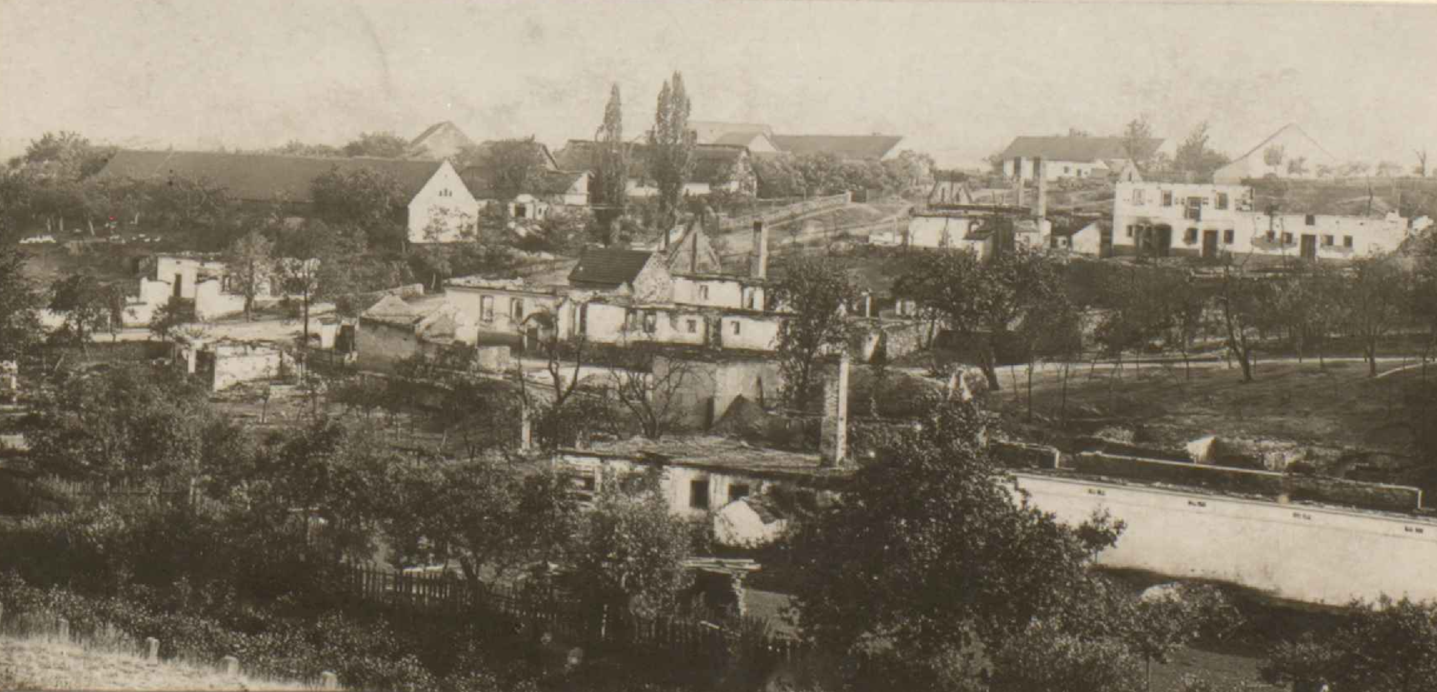
The village of Sedlec and holding No. 4 are the cornerstone of our family. The village chronicle does not reach back to the old days, but even so it has been possible to record a great deal about our ancestors, and as much as possible about the history of the village, so as to preserve the most vivid memorial of that ancient cradle of ours and of the little village in which our ancestors lived. From now on we shall tell only of those who moved away from here and of those who were born elsewhere, many of whom had, or still have, no idea of this village. Yet this little village in West Bohemia is the most important place for our whole family.
The Prusíks Born in Sedlec
Plasy and Our Family
Plasy lies in the charming valley of the little river Střela. In 1144 Duke Vladislaus II summoned nine monks of the Cistercian order here from Langheim Abbey in Bavaria and gave them the Plasy manor, inherited from his father, with all its appurtenances. Over the centuries both the monastery and the village prospered, so that before the Hussite era the Plasy monastery was among the largest in Bohemia. At the beginning of the 18th century it held extensive property throughout the region. The monastery employed a great number of craftsmen and artists. For builders, masons, joiners, woodcarvers, painters and sculptors in particular, life there was a bed of roses.
Before 1700 only a single Prusík left Sedlice, namely Bartoloměj, for Dřevec. He, however, left that little village as early as 1627 and fled abroad. Until the end of the 17th century, as the Register of Subjects by Faith compiled after the Thirty Years' War shows, people bearing our name lived only in Sedlec. And then, around 1700 or shortly after, the first Prusík appears elsewhere. In Plasy. It was Václav Prusík, born in Sedlec in 1678.
After some time Václav Prusík acquired an innkeeping business, and on 1 October 1713 he married Sabina Kirchgangová. Her father was a German, Šimon Kirchgang, the blacksmith at the monastery. Sabina was born, like her husband, in 1678. This Václav Prusík was the first member of our family to take a German wife. From 1713, therefore, German elements also entered our family, which had originally been entirely Slavic. Václav died on 28 November 1728 in nearby Nebřežiny, so he was only 50 years old. His wife Sabina outlived him by 24 years and died at Plasy in 1752.
Václav had two sons and also daughters, but of them all only one son survived, Eugenius Prusík. He was named after the then famous abbot of the monastery, Eugenius Tittl, who completed the magnificent convent building. Eugenius was born on 18 February 1714. He took as his wife a Czech woman, Markéta Beránková, born at Plasy in 1720. Eugenius Prusík was a very skilful painter and also a good builder. In 1780 he rebuilt the church of St Lawrence in Kožlany. He had several children. His daughter Luitgarda and his son Evžen died young; his daughter Anna lived to the age of 14. Only his son Adam grew to adulthood. Eugenius Prusík died at Plasy soon after the dissolution of the monastery by Emperor Joseph II, on 7 December 1786. He had witnessed the monastery's greatest flowering. His wife Markéta outlived him and died at Plasy at the age of 78, on 26 October 1802.
Adam Prusík, Eugenius's only descendant, was born on 30 July 1765. When he was 20, the glory of the monastery came to an end, and so, as a trained mason, he could no longer offer his services to the monastery.
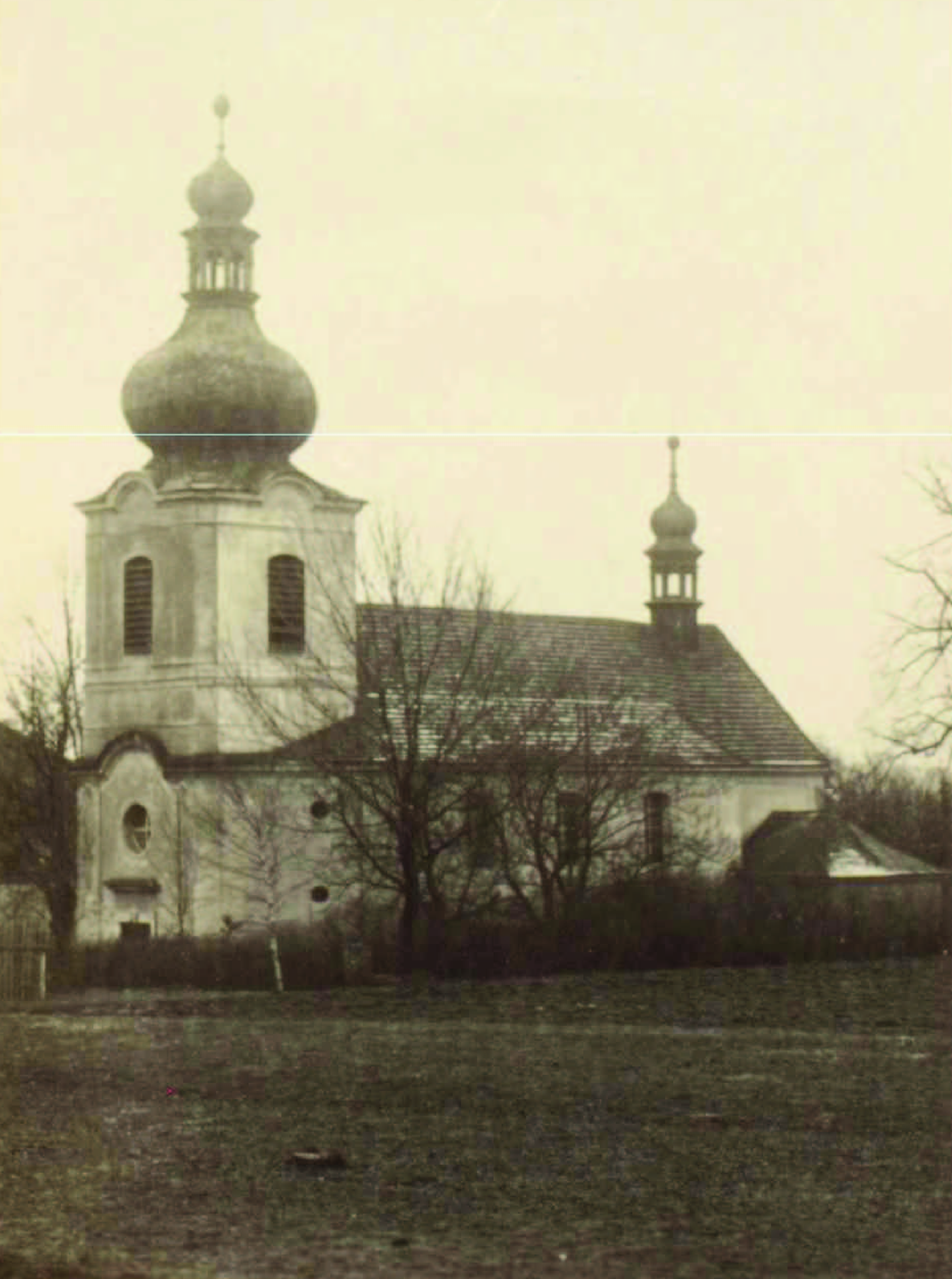
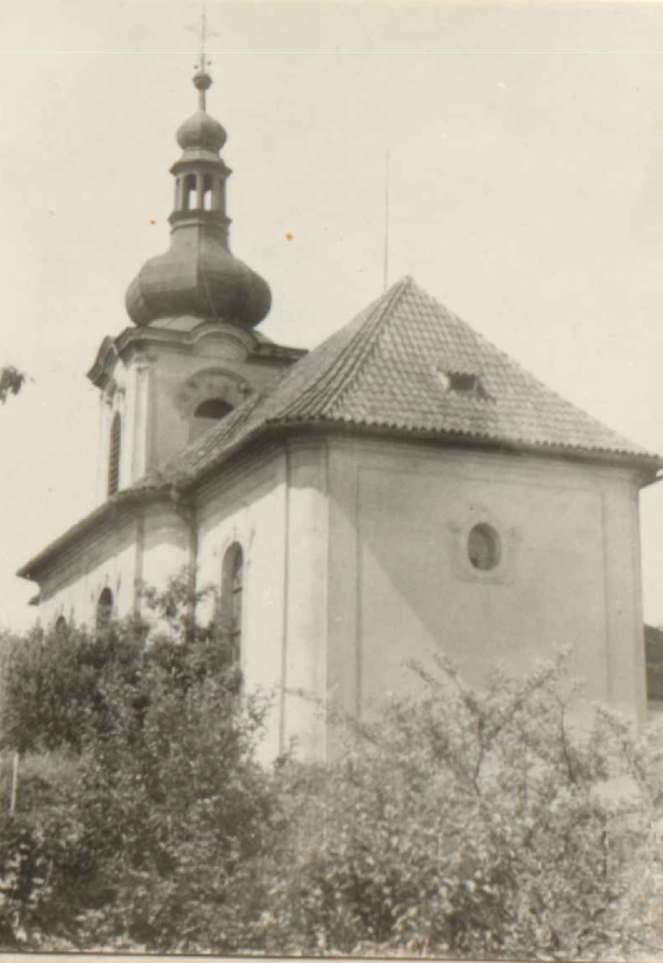
On 25 May 1789 he married Rosalie Lohwasserová, the daughter of a German, a gamekeeper from Velká Černá Hať. The newly-weds settled in the nearby, small, romantically situated village of Stražiště above the little river Střela. Rosalie was born in 1764, but it is not known when and where she died. It was not in Stražiště; she ended her life somewhere with her children. As a master mason, Adam was very active in the neighbouring villages, and traces of his building work can still be seen in the surroundings today. In Chrašťovice there stands a former granary, now a dwelling house, with his name and a date carved above the door. Adam Prusík also used to keep a small inn in Stražiště. He died there on 2 September 1835.
Adam Prusík, settled in Stražiště, had four sons who reached adulthood. The eldest of them was Vojtěch Prusík. He was born on 22 April 1790 and was also a master mason. With his wife Anna Sieberová from nearby Kalec, a German woman, he had a number of children. Vojtěch died of marasmus on 24 July 1867. He is the founder of the branch known as “Stražiště”, and we shall tell of him at length, and of all his descendants, later.
Adam's second son was Josef Prusík. He trained in the brewing trade and later settled in Jihlava. He was born in Stražiště on 11 September 1792 and died, having lived longer than any of his brothers, on 12 June 1881. His wife was Anna, née Frühaufová, from Jihlava, then a German town. Josef founded the branch known as “Jihlava”. Its members became completely Germanised, and we devote a separate chapter to them.
The third son was Jan Prusík. He was born in Stražiště on 11 November 1794 and, through the intercession of his grandfather Lohwasser, eventually became a forester. He lived in eastern Bohemia and in the Bohemian-Moravian Highlands, and there a poacher violently cut the thread of his life on 21 March 1859. It happened in the vast forests near Svratka. His wife was Anna, née Anderlová, from Košumberk. Jan is the founder of the branch known as “Kuchyně u Herálce”. We shall describe his life and those of his descendants later.
Adam's fourth son was Václav Prusík. He was born in Stražiště on 24 February 1797. He too became a gamekeeper, but he died young and unmarried, on 28 January 1827, in his native village.
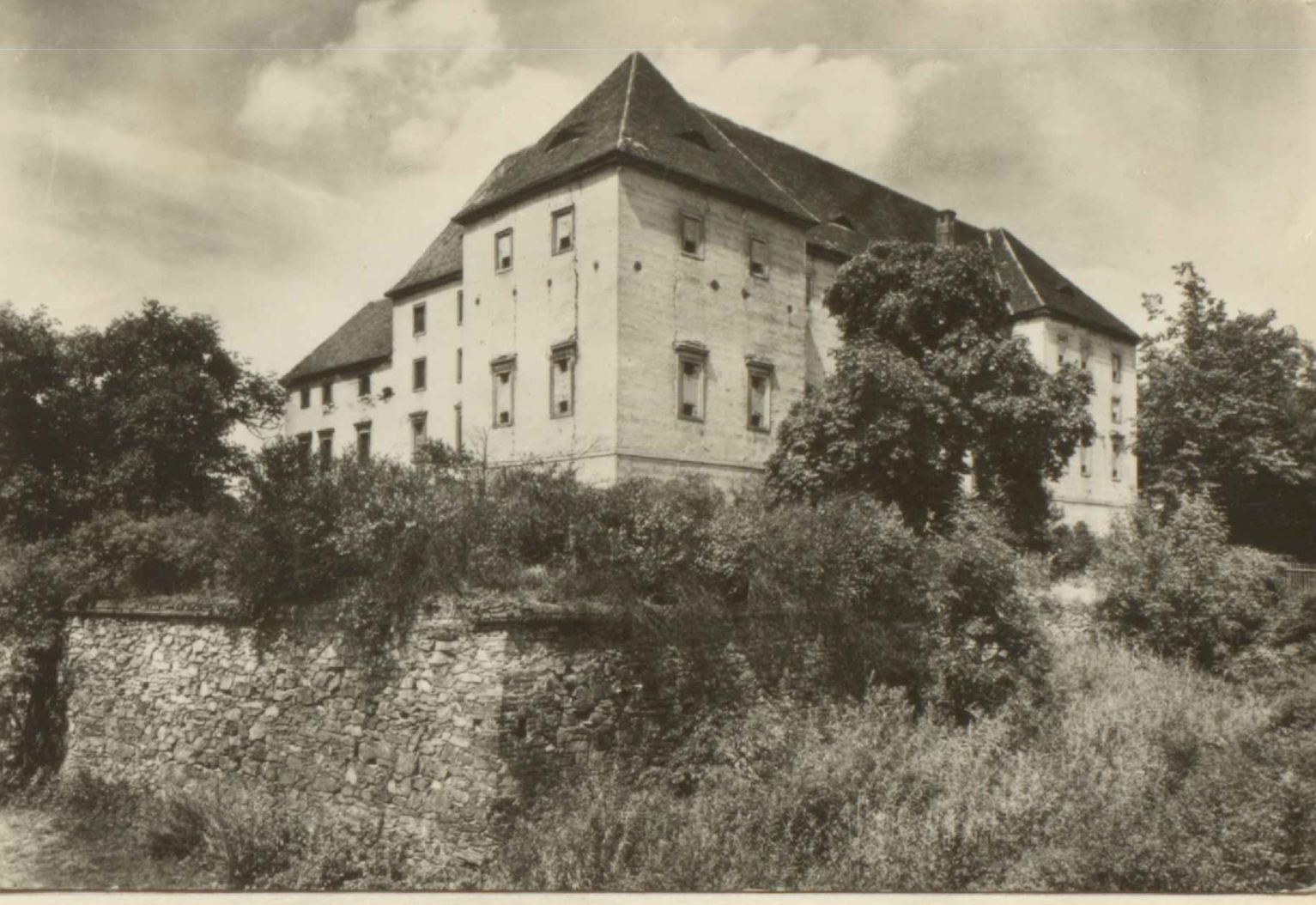
The son of the Sedlec farmer Adam Prusík, Martin Prusík, already had relatives in Plasy when he was born on 9 January 1745. For that time and that region, Plasy was then something like Prague or Vienna in later times, with their great opportunities for work. Martin was not put to farming but to masonry. He was a very clever boy and soon became a master mason at Plasy. He learned under his uncle Eugenius Prusík and worked not only there but in more distant regions as well. He is known to have built a number of churches, but unfortunately documentary evidence survives only for the building of the church of St Clement in Chlumčany near Louny in 1771. When people were once trying to find out what Krašov Castle had really looked like in its full glory, a drawing of this once mighty castle signed by Martin Prusík of Plasy was found by chance. Other drawings of his have survived too, of the Hubenov manor farm and of Kaceřov Chateau.
When Martin's brother Blažej was taking over the family holding in Sedlec, Martin Prusík married. This was on 10 October 1776, and his bride, Kateřina Kaplánková, did not come from the immediate neighbourhood, where bridegrooms of that time usually sought their wives, but from as far away as Radnice. This too shows that Martin, as a builder, travelled widely in Bohemia, and that, especially in his younger years, Plasy was far from being his only place of work. Kateřina was born in 1748, and the couple had their children relatively late. The eldest was their daughter Alžběta, who was born in 1780 and married Kabát, the estate blacksmith at Plasy. Their next daughter, Barbora, was born in 1792 and died unmarried at Plasy on 15 August 1865. The register of deaths records that she was a beggar. Strange are the fates of men! Her parents were respected citizens of Plasy, and their daughter dies alone and in want! Martin Prusík had a number of other children who died young, but also three sons who reached adulthood. He himself died on 30 October 1822, at the age of 82. His wife Kateřina died on 20 July 1835.
The eldest of Martin's sons to reach adulthood was Josef Prusík; he was born in 1781 but died young and unmarried.
The next son was František Prusík, who was born at Plasy on 22 August 1789. He learned the mason's trade from his father and later settled in Nebřežiny. His wife was Josefa Gütterová of Nebřežiny. There two children were born to them, but soon they all moved to Červená Řečice near Pelhřimov, where František had obtained a good position as master mason at the archbishop's chateau. František also died in Červená Řečice, on 28 August 1838. The branch descended from him, today completely extinct, is called “Červená Řečice”. We shall yet describe its fortunes.
The third son was again a Josef Prusík. He was born on 20 March 1796 and did not want to become a mason like his father. Early on he married Jana Říhová, a shoemaker's daughter, and moved to her home in Nebřežiny; there he also learned that trade, and there he remained until his death. They had ten children together, and we shall tell of them. Josef died at the age of 79 on 9 January 1875 in Nebřežiny near Plasy. He is the founder of the branch known as “Nebřežiny”.
The last son was Antonín Prusík. He was born at Plasy on 21 January 1799. He too became a mason, like his father Martin, but then spent a long time in the army. His wife was Josefa Dürschmiedová, the daughter of the first Czech teacher in Plasy. He is the founder of the branch known as “Plasy”. We shall mention all his descendants in later chapters.
The first members of the family who came from Sedlec to Plasy, Václav at the beginning of the 18th century and then Martin in the second half of the 18th century, became through their descendants the builders of further branches of the family. That is why, next to Sedlec, Plasy is an important historical place for us.
From Sedlec to Výrov
Not counting Bartoloměj, who left home as early as the first half of the 17th century and settled for a short time in Dřevec, the third Prusík to leave home was Vojtěch, the first son of the reeve Blažej Prusík. His younger brother Václav remained on the holding in Sedlec. Vojtěch Prusík was born on 31 March 1777, under Maria Theresa. The two brothers came to know their future wives, sisters from Výrov No. 18. They celebrated their weddings together on 8 October 1803. This was in the days of Napoleon's glory. Vojtěch Prusík, who became the reeve in Výrov near Kralovice, is the builder of our strongest family branch, the one known as “Výrov”. We shall tell of it at length.
The Family Branches
In the preceding chapters on Sedlec and Plasy we have already briefly described the lives of the founders of eight family branches. The ninth branch, the “Polish” one, forms an entirely separate chapter, for it comprises a great number of descendants of the Czech exile Bartoloměj Prusík of the post-White Mountain era. These people today live not only in Poland but also far away overseas. And it seems that in Poland it is not merely a branch of the family!
To give a complete picture of the family as it appears today, after so many centuries, we record for everlasting memory all their descendants, provided they lived to at least ten years of age. So we are concerned not only with the “sword” side but also with the “distaff” side. The founders of our family branches were born in the turbulent times of the French Revolution and the Napoleonic Wars. All eight Prusík founders were born in the years 1777 – 1799. It may at times seem tiresome to read through all the names and lives of several thousand descendants, but without this the profile of our family would not be complete. Among the descendants in the female line, and so not only in the male line, there are many notable people, often with colourful lives, who no longer bear the name Prusík but nonetheless have our blood. To date they bear over 670 other surnames.
The Founders
A Few Characteristics
The area in which our ancestors lived had belonged since time immemorial to the Rakovník Region. The Register of Subjects by Faith, completed in April 1651, also belongs to this region, although, as subjects of an estate, our ancestors belonged to Plasy and later to other lords as well. And these lords did not always reside in the Rakovník Region. Only on 21 August 1788, not long before the death of Empress Maria Theresa, was the whole Plasy area incorporated into the Plzeň Region. From that day all cadastral entries and tax obligations have been kept in this region, to which Sedlec, ethnographically, had surely always belonged more closely. When we speak of the obligations of the subjects, we cannot fail to be struck by the fact that in the time of the Gryspeks, in the 16th century, there was practically no corvée, and the lords were in fact paid only either in kind or in money. Even in much later centuries, rent for the farmers took the form of various kinds of tax obligations. Life was at times relatively easy, and at other times very cruel.
By the 18th and 19th centuries corvée had become a thoroughly familiar notion. A farmer owed corvée with a team, namely three days a week all year round with two head of draught animals; but since he never gave a whole day, he also had to send three days of manual corvée. When there were two holy days in a week, corvée was only two days. At Christmas and at Easter there was a week without corvée. At harvest the person doing corvée received a small loaf of bread and a meal twice a day. For the whole harvest the subjects of a village then received a whole brewing of beer, eighteen four-vědro barrels. Cottagers did manual corvée for three days, some of them only two.
Grain for sale used to be carted from all over the Plasy area to Mantina, as Manětín was called, and sometimes also to Mlác, as Mladotice was called. There the innkeeper bought the grain. Sometimes the carters themselves also came for the grain. The carters seldom went to Bílov, because they complained that there was often “brome” in the grain. In Sedlice the grain was usually of good quality.
In the smaller villages there were not always many craftsmen in olden times. Thus in Sedlec there was a blacksmith, but a tailor only in nearby Žebnice; there were tavern keepers in Plasy, Mladotice, Dřevec, Hrádecko or Kralovice, shoemakers likewise elsewhere, a shingle maker in Kopidlo, a stonemason in Potvorov, a weaver in Černíkovice and at Hadačka, and a master shepherd only in Plasy, Sechutice and Kralovice. Millers, however, there were in plenty.
In the reign of Emperor Rudolf II, around 1600, the Prusíks lived in only one place, in Sedlec. So it was in Bohemia after the Thirty Years' War too, except that by then one member of the family was already living in Poland. In the time of the Turkish wars, after 1700, the Prusíks in Bohemia were already living in two places, Sedlec and Plasy. In Napoleon's time, around 1800, they were living in Stražiště as well. After the revolutionary year of 1848, members of our family were to be found in thirteen places in Bohemia. And in 1968, as we write this history of our family, its members live in at least four hundred different places in our homeland and around the world.
It is claimed nowadays that people live longer than in the past. It is true that child mortality was once enormous. In families with ten to fifteen children, often only two grew up. It is true that many deadly diseases, such as smallpox and diphtheria, have been eradicated, as has the death rate of women in childbirth. But when we look at the ages of our distant ancestors, all of this appears in a somewhat different light. There were wars, hard times, corvée, but on the whole life had a slower and calmer pace; there was less noise, less risk and less of all the bad things that the new age and civilisation have in turn brought us. This different character of our ancestors' lives probably also contributed to the fact that the average age of the eighteen Prusíks born in Sedlec from 1515 to 1825 is 65 years.
It is remarkable how numerous some of the later family branches are and how small others, and also how the nationality of their members has changed. It is true that in all the branches there are members recorded who lived, or live today, abroad. Many of them, however, lost their nationality only by emigrating overseas, to Vienna and elsewhere, but some did so in Bohemia itself.
Our strongest family branch is the one known as “Výrov”. The search for its descendants and members was difficult, but the most successful. Its size can also be explained by the fact that its founder, Vojtěch Prusík, had eight children, of whom only his son Blažej was a priest. The other three sons and four daughters had numerous descendants. This is not the case in the other branches.
The “Sedlec” branch is fairly strong compared with the others, but it is still two-thirds smaller than the Výrov branch. Its founder, Václav Prusík, Vojtěch's brother, had six children who lived to at least ten years of age, but his daughter Barbora, married name Levá, remained childless, another, Marie, died as a girl of ten, and only Kateřina, married name Kouklová, had numerous descendants.
His son František died at 21 and had only one little daughter, Tomáš lived only to forty, and only Vojtěch had more numerous descendants.
The “Červená Řečice” branch, whose founder was František Prusík, is the weakest of all, and today this branch has withered away completely.
In the “Nebřežiny” branch, whose founder was Josef Prusík, there is a gap among the descendants of his daughter Josefa, married name Křížová, in Nebřežiny. It is a branch of average strength.
The “Plasy” branch was founded by Antonín Prusík, and it is a small branch.
A fairly large number of descendants of the “Stražiště” branch have become Germanised or have otherwise lost their Czech nationality. Its founder is Vojtěch Prusík.
The branch known as “Jihlava”, whose founder was Josef Prusík, is completely Germanised. It was once not the smallest, but today very few of its members are still living, and those only in Austria and Germany.
The branch known as “Kuchyně u Herálce”, where its founder Jan Prusík worked at the forester's lodge and died, is of average strength. Some of its members, too, have lost their Czech nationality.
It may perhaps happen in years to come that another of our branches will die out, but its extinction will certainly not mean the disappearance of our family. After all, there are hundreds of us living in the male line, and in the female line there are thousands. We shall now describe in detail the fortunes of all the family branches. We shall begin in 1805, when the first child was born in Výrov to Vojtěch Prusík, the eldest of the branch founders, and continue to our own times, to 1968, when we are writing this history of our family.